
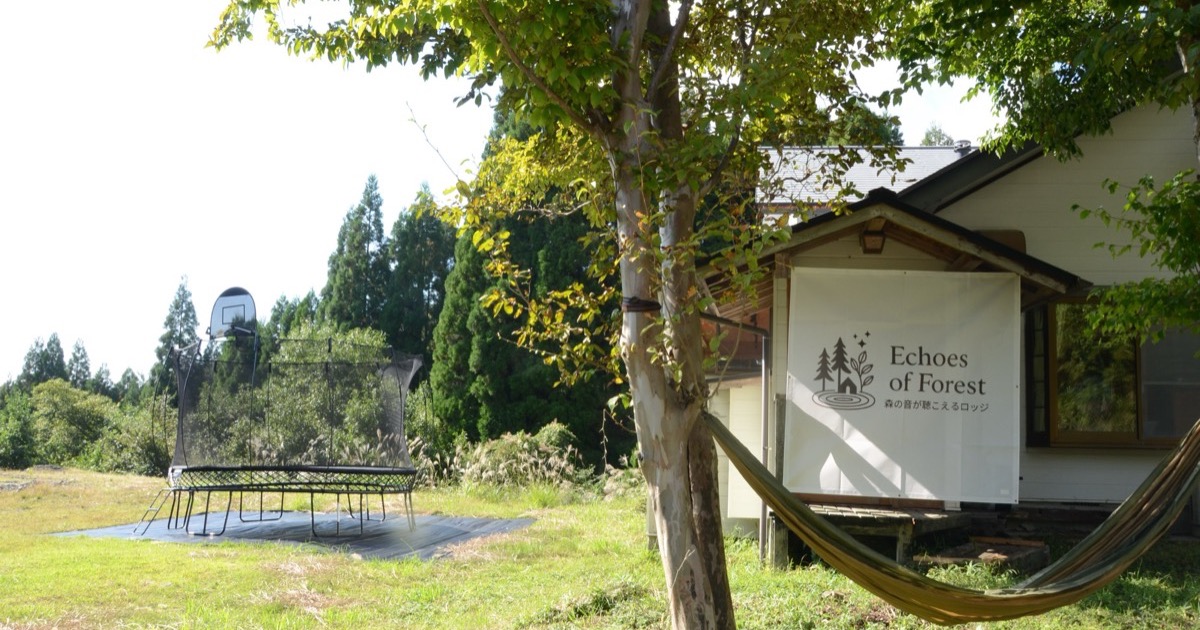
What most people don’t know is that the Aso-Kuju area in Kumamoto is just as much about atmosphere as it is about sightseeing. If you like ryokan-style travel with a quieter, more private twist, this setup is seriously hard to beat.
Kurokawa Onsen and the Private Lodge Appeal
Picture this: you arrive in Kurokawa Onsen, a small hot spring town tucked into the mountains of Kumamoto, and instead of checking into a busy inn, you head for a private lodge nearby. That change sounds small, but it changes everything. The pace slows down, the forest gets louder, and the whole stay feels more personal.
Kurokawa Onsen is famous for its old-school ryokan atmosphere, wooden streets, and a strong sense of place. It’s not a theme park version of Japan, it feels lived-in, compact, and calm. No wonder, because the town has spent years protecting its look and feel, and visitors come here as much for the mood as for the baths. My tip is: if you want that classic onsen trip without too much crowd noise, this area is a very smart pick. Convinced yet?
Aso-Kuju Forest Setting: Why the Location Matters
Trust me on this one: the forest around Aso-Kuju isn’t just scenery, it shapes the whole experience. The region sits within the wider Aso-Kuju National Park, which stretches across volcanic landscapes, highland grasslands, and wooded valleys. That mix gives the lodge stay a real sense of contrast, steaming baths on one side, cool green forest on the other.
Quick detour: Aso is known for Mount Aso, one of Japan’s most famous active volcano areas, while Kuju points towards the rugged mountain range that adds altitude and crisp air. For travellers, that means drives with big views, fresh mornings, and the kind of silence you don’t get in the cities. Highly recommended: if you like taking photos, this area is a gift, especially early in the day when mist hangs low over the trees. My verdict:
What the forest stay feels like
Imagine a narrow alley in Tokyo. Now remove the traffic, add cedar trees, mountain wind, and a private deck where you can sit with tea. That’s the vibe many travellers want from a lodge near Kurokawa Onsen, and it’s why this type of accommodation keeps getting attention.
The appeal is practical too. A private lodge usually means more space, fewer shared facilities, and the chance to plan your day around nature instead of a fixed hotel rhythm. For couples, families, or anyone who wants a quieter base, that’s a strong advantage. Personally, I think this is one of the best ways to experience rural Kyushu without feeling isolated. Classic Japan, isn’t it?
Onsen Culture, Ryokan Feel, and Japanese Learning Connections
It’s early morning in Kyoto. The air is cool, the streets are quiet, and you hear a few soft greetings before breakfast. That same kind of gentle rhythm is part of the charm around Kurokawa Onsen too, even if the setting is mountain forest rather than temple town.



Before I forget: if you’re learning Japanese, this trip gives you useful words that actually come up in travel life. Onsen means hot spring, ryokan is a traditional inn, 山 (yama, mountain) means mountain, and 森 (mori, forest) means forest. If you can use ありがとう (arigato, thank you), すみません (sumimasen, excuse me / sorry), and こんにちは (konnichiwa, hello / good afternoon) comfortably, you’ll already sound far more natural than a tourist reading from a phrasebook. That little bit of language goes a long way, especially in quieter rural places where service feels more personal.
That brings us to one thing I especially like about stays in this area: they connect language, scenery, and daily life in a very direct way. You’re not just visiting Japan, you’re moving through a place where travel vocabulary feels real. Insider tip: write down a few words before you go, then listen for them at check-in, at dinner, and around the bath area. It makes the trip stick in your memory. Personally...
Who This Kind of Stay Suits Best
Seriously though: not every Japan trip needs city lights and train station energy. A private lodge near Kurokawa Onsen works best if you want calm mornings, scenic drives, and a base that feels tucked away from the rush. It’s especially good for travellers who enjoy slow travel, hot springs, and a bit of privacy between outings.
If you’re planning a Kyushu route, the combination is strong. Spend time in Kurokawa Onsen, wander the Aso area, then come back to a lodge in the forest where you can recharge. That balance of public exploration and private retreat is what makes the setup so effective. A great example: many Japan trips are remembered for the biggest attractions, but this is the kind of stay people remember for the atmosphere. My verdict:
For jpnerd.com readers, there’s also a language-learning bonus. Reading signs, hearing local place names, and picking up travel vocabulary in context is one of the easiest ways to make Japanese feel less abstract. You’re not memorising for the sake of it, you’re linking words to a real journey, and that makes retention much easier. Highly recommended:
Frequently Asked Questions
What makes Kurokawa Onsen special?
It has a compact hot spring town atmosphere, strong visual charm, and a calm pace that feels more intimate than many larger resort areas.
Why stay in a private lodge instead of a standard ryokan?
A private lodge usually gives you more space, more privacy, and a quieter setting, which works well in a forest and onsen region.
Is the Aso-Kuju area good for nature lovers?
Yes, it offers forests, mountains, and scenic drives, so it suits travellers who want hot springs and outdoor views in one trip.


