
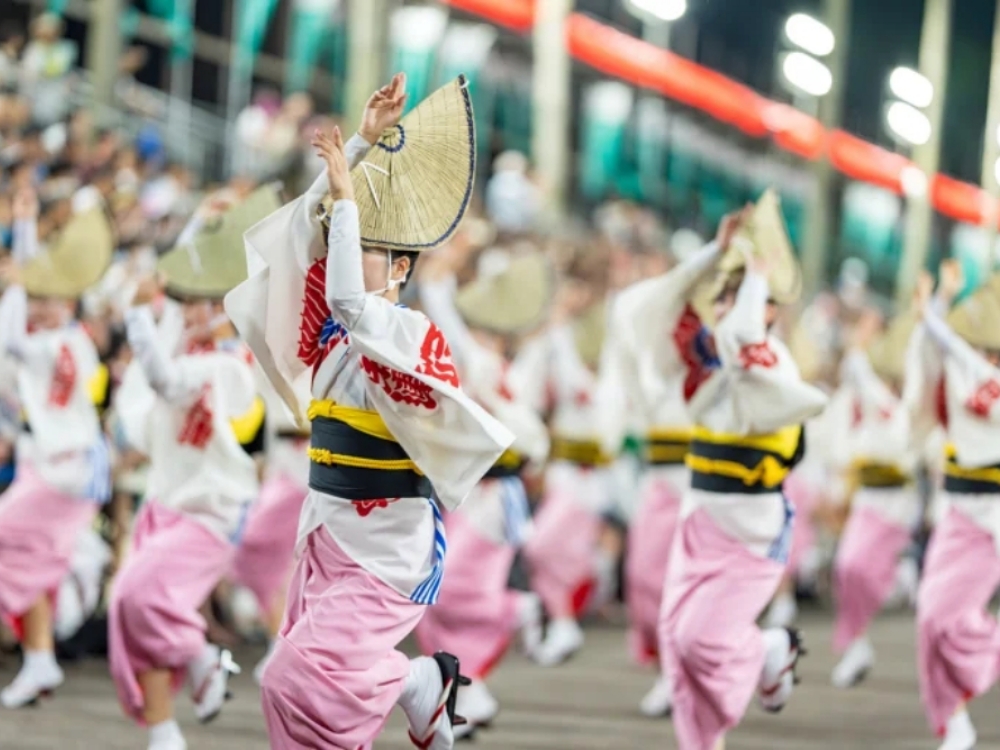
If you’re learning Japanese, this is also a great chance to pick up words like 祭り (matsuri, festival), 神輿 (mikoshi, portable shrine), and nagashi, while getting a clearer feel for when and why people gather. Sounds good, right?
Four traditional summer festivals in Japan are one of the best ways to see the country at street level, not just from a train window or a museum hall. You get drums, fireworks, food stalls, and a crowd that feels fully part of the event, not just watching it. And if you time your trip well, a single week in July can give you a surprisingly rich taste of local culture.
What most people don't know is that many of the most memorable summer matsuri are tied to local shrines, old prayers for safety, and community groups that spend months preparing. That’s why they feel so rooted in place. Let’s look at four classic examples, with Tenjin Matsuri right where it belongs, near the top of any summer festival list. Wait, there’s more.
Tenjin Matsuri in Osaka, a summer highlight on 24 and 25 July
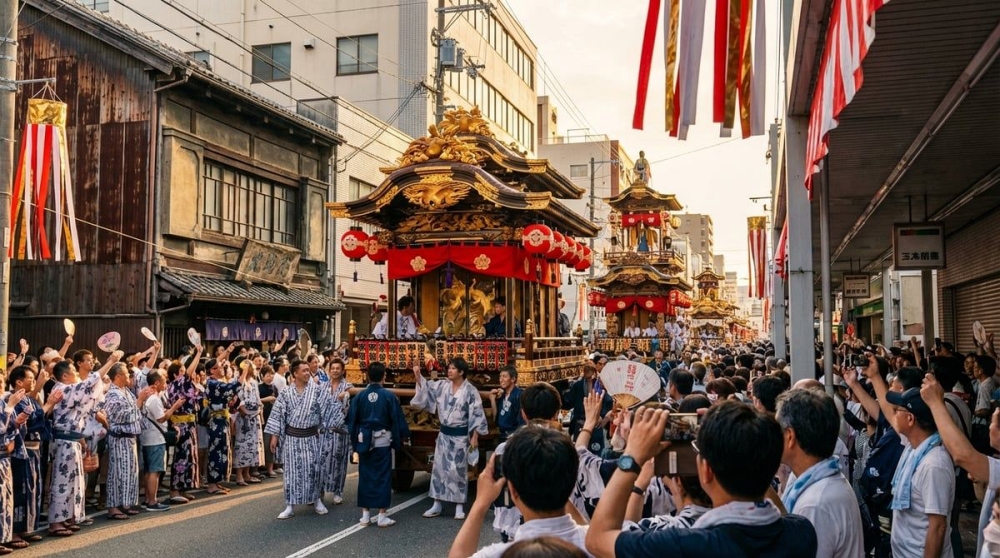
Did you know that Tenjin Matsuri takes place every year on 24 and 25 July in Osaka? It’s held for Tenmangu Shrine, especially Osaka Tenmangu, and it’s one of Japan’s three great festivals alongside Gion Matsuri in Kyoto and Kanda Matsuri in Tokyo. That’s a serious trio, not bad, right?
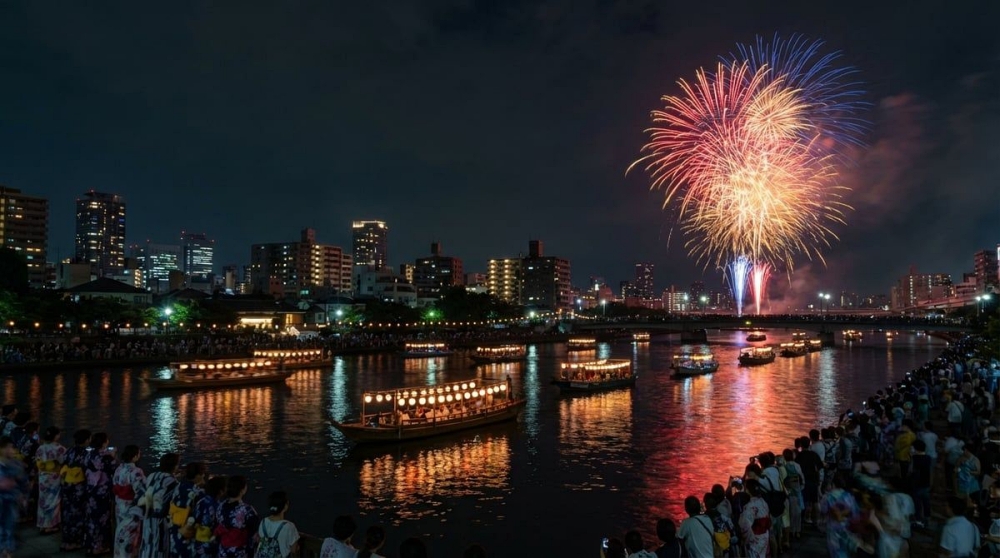
The festival is best known for its land parade and river procession. Daytime sees mikoshi, floats, and performers moving through the city, then evening brings the boat parade on the Okawa River, with lanterns reflected on the water and fireworks lighting up the sky. The combination feels dramatic but still deeply local. If you only have room for one big summer matsuri, this is a strong candidate. Sounds good, right?
What I especially like is that Tenjin Matsuri has a clear sense of rhythm. You can spend the afternoon eating かき氷 (kakigori, shaved ice) and 焼きそば (yakisoba, fried noodles) near the shrine, then head to the river for the night events. For Japanese learners, this is a handy place to hear words like 御神輿 (omikoshi, portable shrine), fune, and 花火 (hanabi, fireworks) used in context, not just from a textbook. Simply brilliant.
Gion Matsuri in Kyoto, July traditions with real staying power
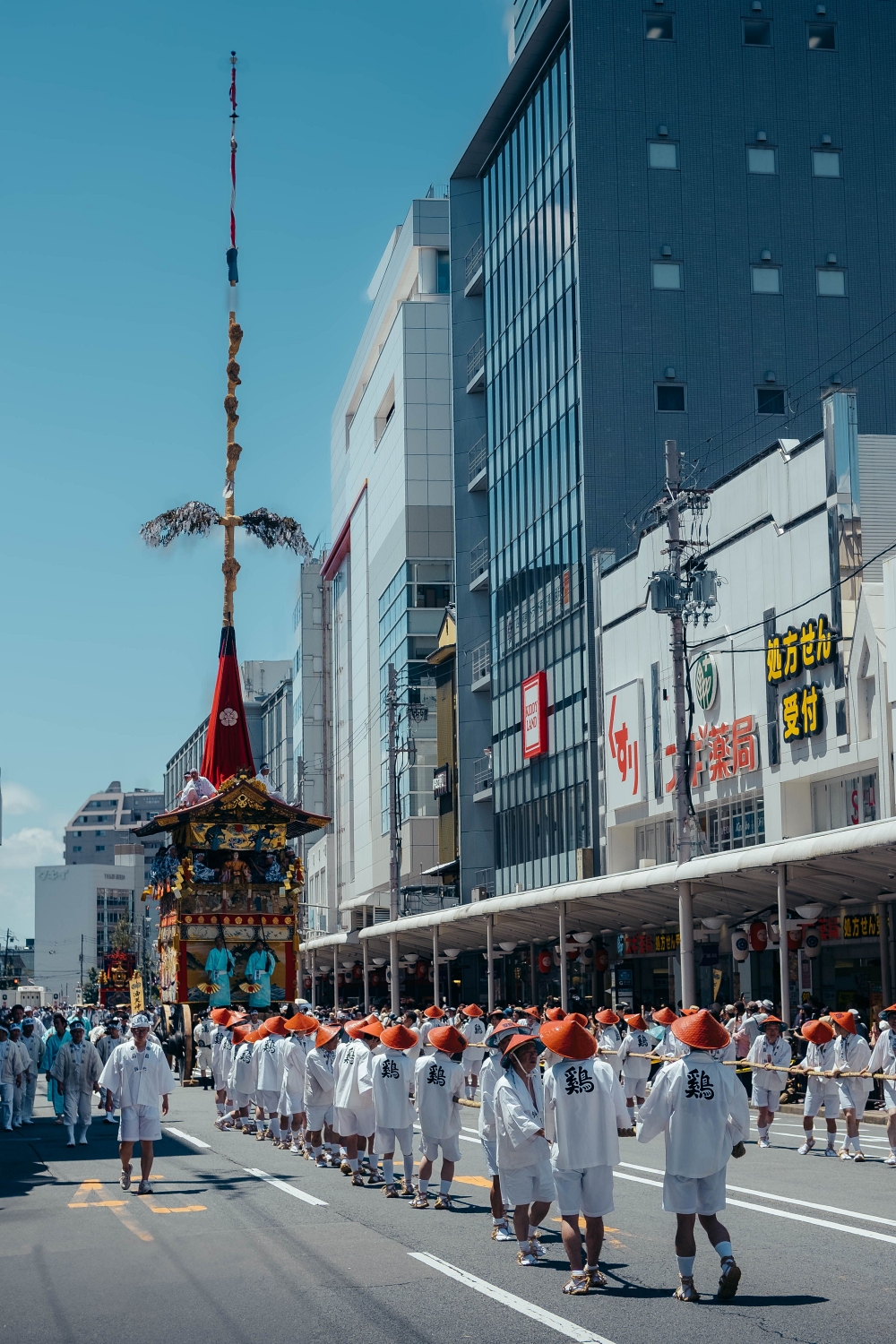
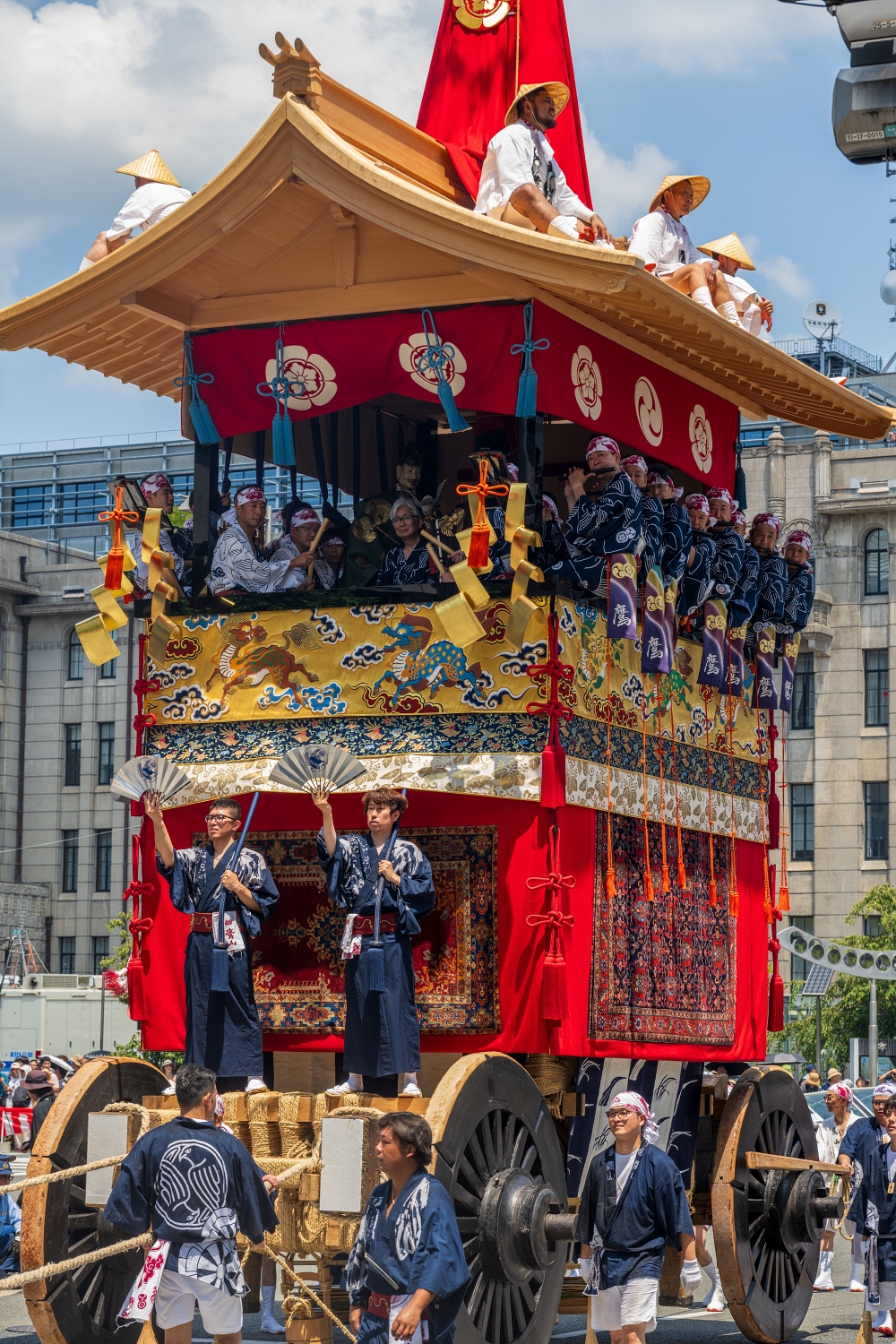
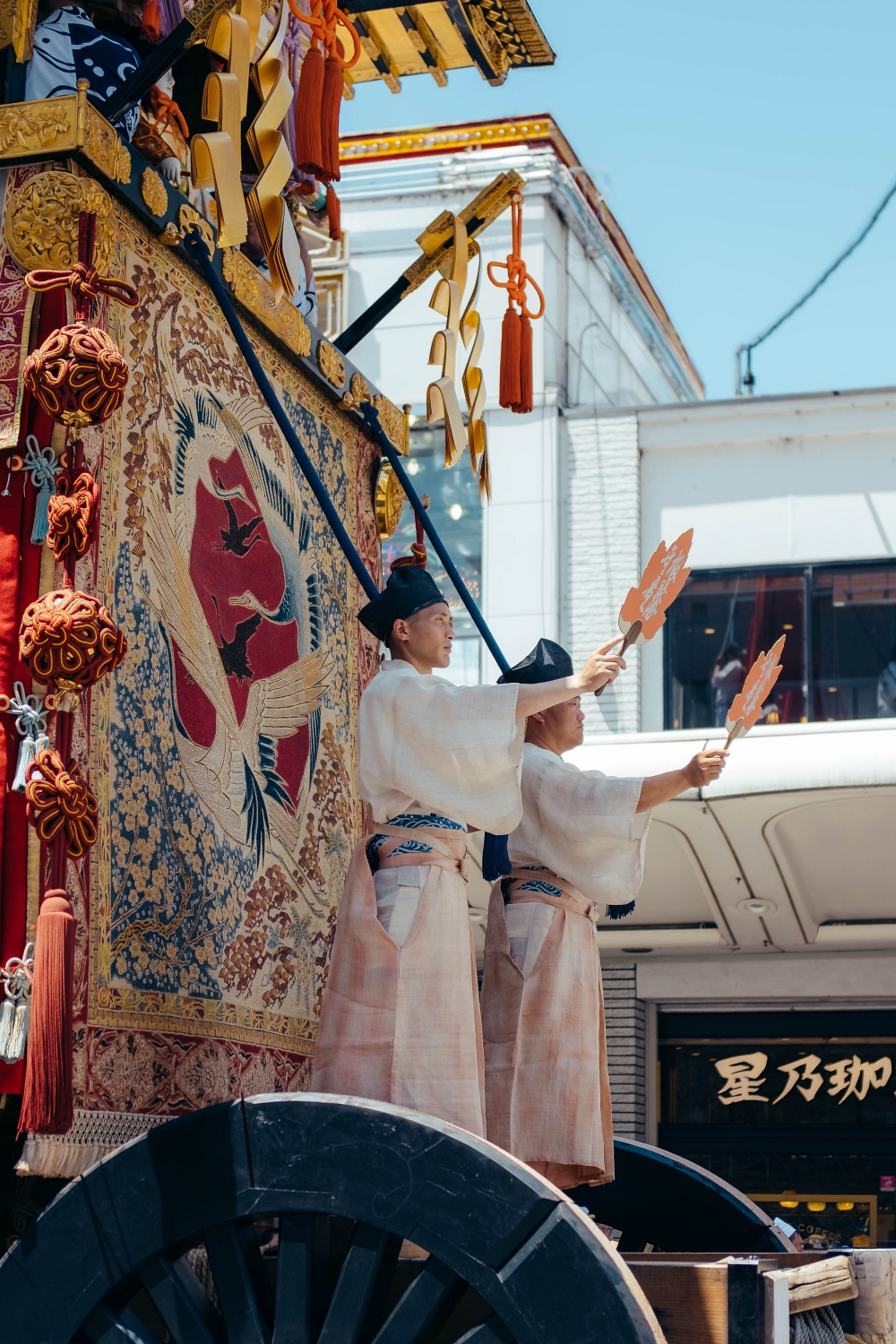
Here’s the thing: if Tenjin Matsuri is about water and motion, Gion Matsuri is about elegance and scale. It runs throughout July in Kyoto, with its most famous events, the 山鉾巡行 (yamahoko junko, festival float procession) processions, taking place on 17 July and 24 July. The festival dates back to the 9th century, when it began as a ritual to ward off disease and disaster. That kind of history gives it real weight.
The towering yamahoko floats are incredible up close. Some are decorated with tapestries, lacquerwork, and metal fittings that look more like museum pieces than parade floats. Many float teams also use small performance details that are worth watching, because the process of turning these massive structures through Kyoto’s narrow streets is half the show. Wild, isn't it?
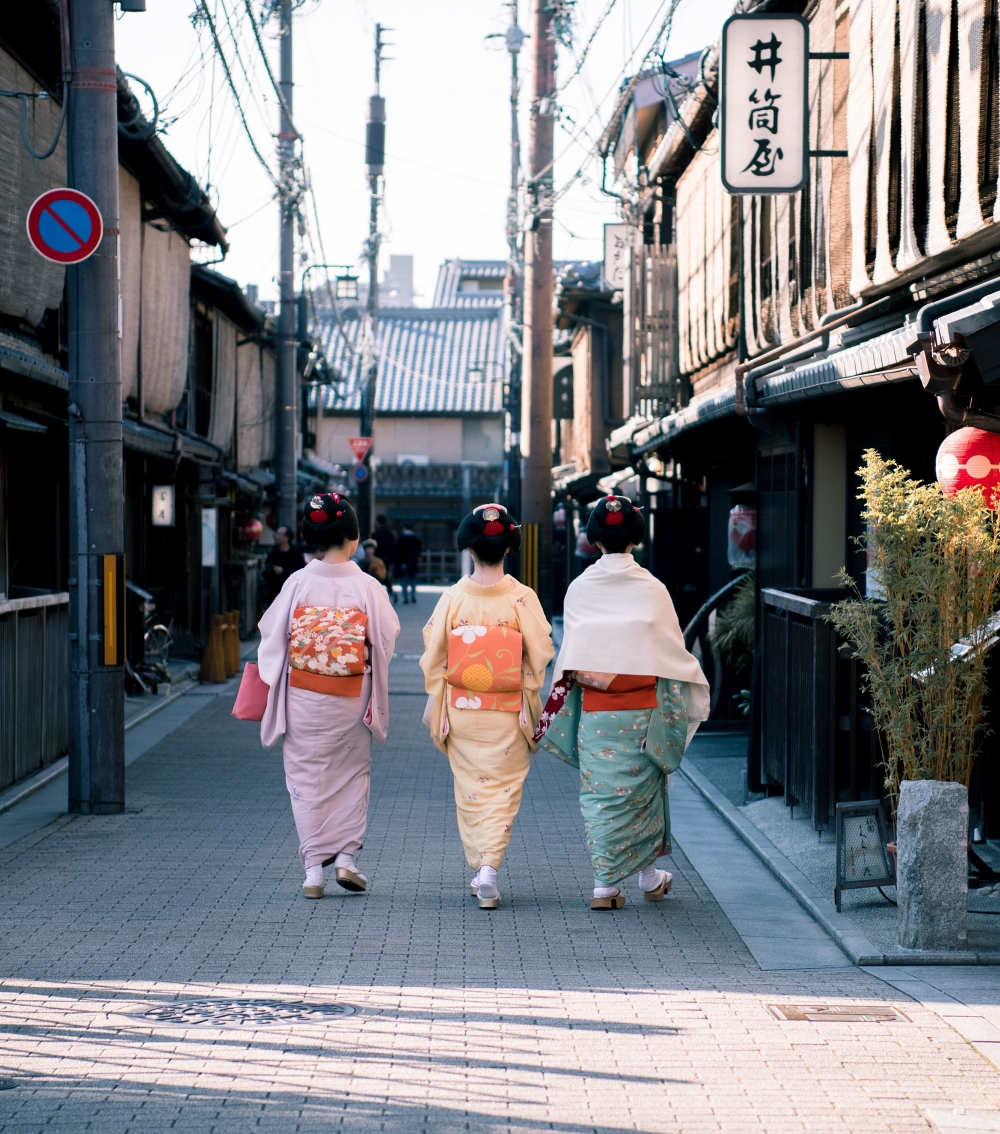
Quick detour: Kyoto in July is hot. Very hot. But that’s part of the experience, and the evening atmosphere around Shijo-dori and the festival stalls makes the heat easier to forgive. My tip: go early, eat lightly, and keep your camera ready, because the procession moves slowly enough for proper photos. From my experience...
Tanabata and Nebuta, summer nights filled with colour and light
On the flip side, not every major summer festival is centred on a shrine procession. Some are more visual, more playful, and a little easier for first-time visitors to enjoy casually. Two strong examples are Tanabata celebrations in Sendai and the Nebuta Matsuri in Aomori, both of which bring out a different side of summer in Japan.
Tanabata, linked to the old star festival story, is celebrated across Japan, but the Sendai Tanabata Matsuri in early August is especially famous for its giant streamers made of washi paper. The streets fill with colourful decorations, and the mood is calmer than a huge parade, which makes it great if you want to stroll, snack, and take your time. That reminds me: this is a nice chance to learn the word tanzaku, the paper strips people write wishes on.
Nebuta Matsuri, held in Aomori from 2 to 7 August, is louder and bolder. Massive illuminated floats, often featuring warriors and mythical figures, move through the city while haneto dancers jump and chant around them. The festival has a powerful visual punch, especially after dark, and the energy is infectious. If Tenjin Matsuri is polished and dramatic, Nebuta is raw and electric. And it gets better: many visitors can even join the dancing after buying or renting the right outfit, which makes the whole thing feel wonderfully participatory.
Why these traditional summer festivals still matter
I still remember exactly how different each festival feels once you stand in the crowd rather than read about it online. The sounds, the pacing, the food, even the way locals move from one street corner to another, all of it tells you something about the region. That’s the real value of these traditional summer festivals in Japan, they’re not only events, they’re living routines with history built in.
For Japan fans and language learners, these matsuri are also a practical study aid. You’ll hear seasonal words like matsuri, mikoshi, hanabi, and uchiwa, plus plenty of greetings and crowd language, often shouted rather than spoken. Listen for romaji-friendly phrases in context, then try spotting them again in travel guides or videos later. It’s a simple way to make the language feel less abstract.
Oh, almost forgot: if you’re planning a summer trip, think about transport and crowds early. The biggest festivals can mean packed trains, limited hotel rooms, and long walks between viewing spots. Still, that’s part of the charm, and with a little planning, you get an experience that feels far more memorable than a standard sightseeing day. From my experience...
And if you want to keep exploring Japan culture and travel stories, more Japan news on jpnerd.com.
In pictures
Frequently Asked Questions
When is Tenjin Matsuri held?
Tenjin Matsuri is held every year on 24 and 25 July in Osaka.
Which summer festival is best for first-time visitors?
Tenjin Matsuri and Gion Matsuri are both strong choices, but Tenjin Matsuri is especially memorable because of its river procession and fireworks.
Do I need to know Japanese to enjoy these festivals?
No, but learning a few common festival words will make the experience easier to follow and more fun.


