
What many overlook is that Hokkaido isn’t just wide-open scenery and cool summer air. It’s also active volcanic country, and the hot springs that make the region so appealing sit right in the middle of that landscape.



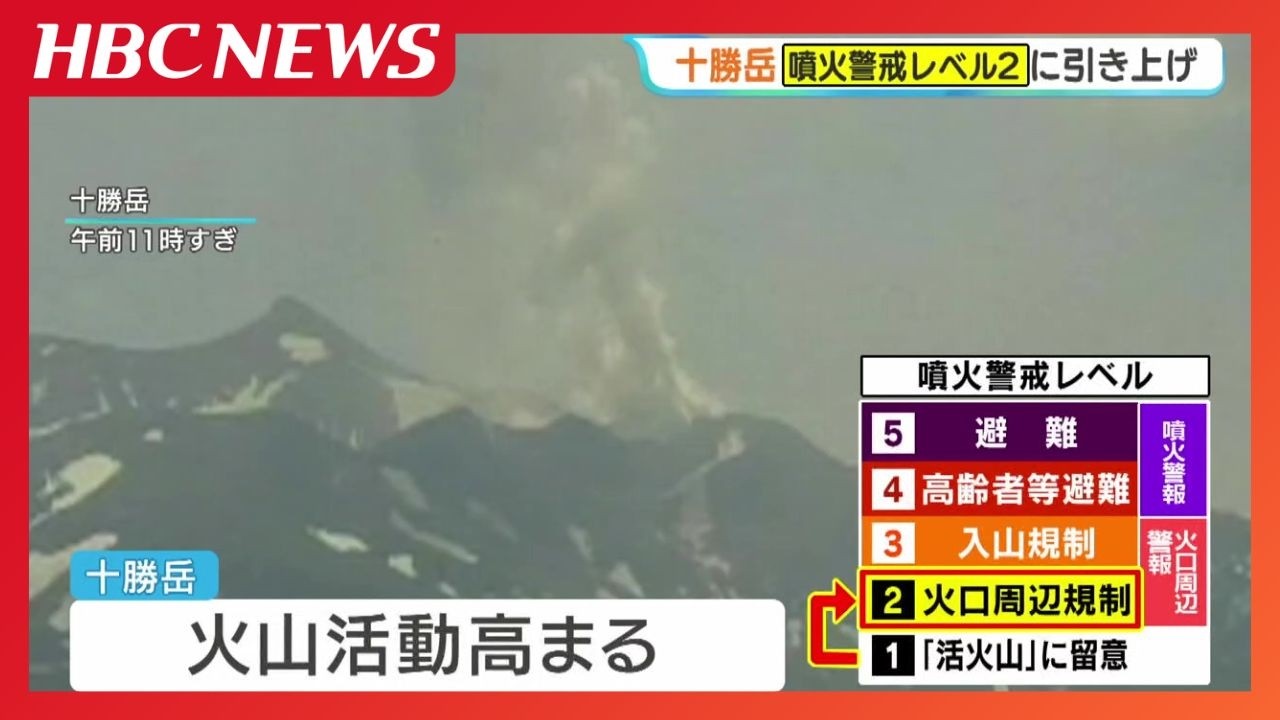
Hokkaido volcano alert headlines are getting attention just as the hiking season’s about to pick up. For walkers headed into the mountains around Biei and the Tokachidake area, this is the kind of news that changes plans fast.
What many overlook is that Hokkaido isn’t just wide-open scenery and cool summer air. It’s also active volcanic country, and the hot springs that make the region so appealing sit right in the middle of that landscape.
Hokkaido's hiking season meets volcanic reality
Know that feeling when you plan a mountain trip, then the weather, trail conditions, or local warnings suddenly rewrite the whole day? That’s the situation in central Hokkaido right now. The alert’s tied to volcanic activity around the Daisetsuzan area, and that matters because the hiking season starts drawing more people onto exposed ridges, crater zones, and long alpine routes.
Hokkaido's hiking season usually runs from late spring into autumn, with many trails becoming much more accessible from June to September. In places like Tokachidake, hikers don’t just come for the summit views. They come for steaming vents, volcanic rock, highland scenery, and the classic post-hike soak. Sounds odd, but it’s true: the danger and the appeal often sit side by side.
Here’s the deal: volcanic alerts in Japan aren’t there to scare people away for no reason. They help hikers decide whether a route is still sensible, or whether it’s time to switch to a lower trail, a forest walk, or a stop at an onsen town instead. No exaggeration: in Hokkaido, that decision can be the difference between a perfect day and a very bad one.
Why Shirogane Onsen and Tokachidake Onsen matter
Let me show you why these names keep coming up. Shirogane Onsen, near Biei, is famous for its milky blue water and its easy connection to waterfalls, forests, and mountain scenery. Tokachidake Onsen, higher up and closer to the active volcano zone, has that rugged, old-school mountain inn feeling that Japan fans love. Both spots are strongly tied to hiking culture, and both depend on people feeling safe enough to travel into the region.
On a related note: the onsen experience here isn’t just about relaxation. In Japanese outdoor culture, a mountain climb often ends with a soak, some curry rice, and maybe a cold drink from a vending machine outside the bathhouse. My tip: if you’re planning a trip to Hokkaido, keep an eye on whether your route ends near an onsen, because that can shape your whole itinerary. Personally, I think Tokachidake Onsen has one of the best mountain atmospheres in Japan. It’s raw, quiet, and deeply tied to the landscape.
Japanese words worth knowing on this trip
If you’re learning Japanese, this is a nice real-world moment to pick up a few words. 山 (Yama, mountain) means mountain, 登山 (tozan, mountain climbing) means mountain climbing, onsen is hot spring, and 危険 (kiken, danger) means danger. You’ll also hear 活動 (katsudou, activity) in news coverage when officials talk about volcanic activity. These words show up constantly in travel reports, trail signs, and local updates, so they’re worth memorising before you head out.



I still remember how many Japanese hikers I met in Hokkaido treated the weather and mountain warnings with real calm. Not panic, just good habits. They checked notices, packed layers, and didn’t force a summit attempt if the mountain said no. Convinced yet?
What hikers should watch for before heading out
It’s early morning in Kyoto, and the first thing many hikers do before a big day isn’t grabbing coffee, it’s checking official park and town updates. That’s the right instinct for Hokkaido too. Around active volcanoes, conditions can shift quickly, and even a trail that looked fine yesterday can become a poor choice after new gas warnings, fog, rain, or a small increase in volcanic tremor.
What many overlook is that the threat isn’t only lava, and it usually isn’t the dramatic movie version people imagine. Gas, ash, sudden trail closures, low visibility, and unstable ground are much more realistic concerns. In mountain regions like Tokachidake, those risks matter even if the summit itself isn’t closed. Hiking isn’t just about fitness here, it’s about reading the land.
For visitors, the smartest move is to check local city pages, mountain hut notices, and weather forecasts before setting out. If you’re in Japan long enough to read a bit of Japanese, scan for words like 警戒 (keikai, warning) (warning), 規制 (kisei, restriction) (restriction), and 通行止め (tsuukou tome, road closure) (road closure). Those little phrases can save a lot of stress. No wonder, because Hokkaido's mountains can feel calm one hour and stubborn the next.
Why this news is still good news for Japan fans
Guess what? A volcano alert doesn’t cancel the whole Hokkaido experience. It just shifts the focus. You can still enjoy the region’s food, scenery, and bath culture, and sometimes the safest plan is also the most rewarding one. A slower day in Biei, a visit to Shirogane Onsen, or a scenic drive through the hills can be just as memorable as a summit push.
Highly recommended: use this as a chance to learn how Japan handles nature seriously but practically. Local authorities, hikers, inn owners, and bus operators all work within clear safety rules. That balance is one of the things I especially like about travelling in Japan. The landscape feels wild, but the response to risk is usually calm, structured, and easy to follow.
For Japan learners, this is also a neat reminder that the language of travel isn’t limited to train stations and restaurant menus. Outdoor Japan has its own vocabulary, and Hokkaido is full of it. From onsen to tozan, these words connect directly to real places, real decisions, and real experiences. Wild, isn’t it?
If you want more Japan news and travel context, have a look at more Japan news on jpnerd.com.
Frequently Asked Questions
Is Hokkaido still worth visiting during a volcano alert?
Yes, especially if you stay flexible and avoid restricted mountain routes. Many nearby towns, onsens, and scenic spots remain open.
Why are Shirogane Onsen and Tokachidake Onsen mentioned so often?
They are closely tied to the hiking region and give visitors a classic mix of mountain scenery, hot springs, and local lodge culture.
What should hikers check before going into the mountains?
Check official trail notices, weather forecasts, road conditions, and any volcanic warnings for the area you plan to visit.


