
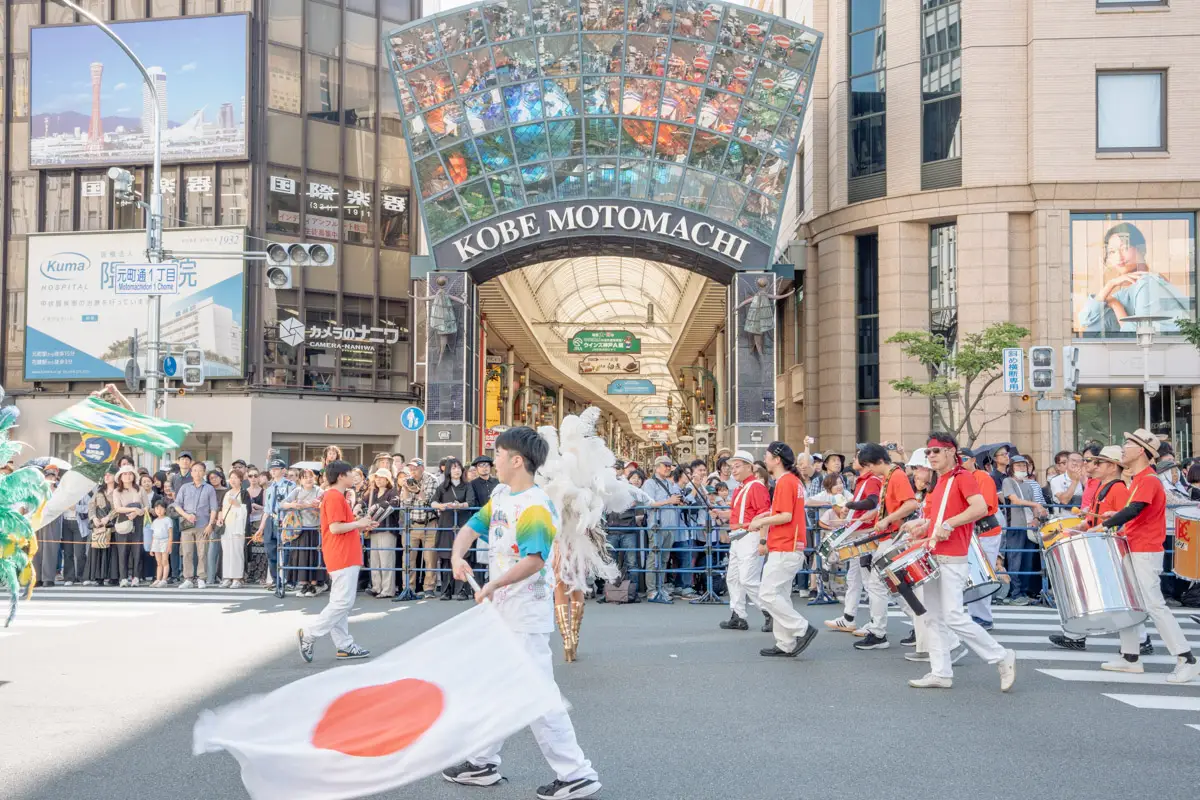
If you like Japanese festival culture, this one’s worth a look, not just for the parade energy, but for the way it blends the port city atmosphere with the older nickname 港 (minato, port; harbour) no 祭り (Matsuri, festival) and the lively Kobe Carnival spirit.
Kobe Matsuri 2026 in Kobe: the city festival with real staying power
Kobe Matsuri 2026 is exactly the kind of event that gives a city its own rhythm. The festival takes place in Kobe, one of Japan's most international-feeling port cities, and 2026 marks its 53rd edition. That alone tells you this isn't a one-off celebration, it’s a long-running civic event with roots that go back to 1971.
What I especially like is that Kobe Matsuri doesn’t try too hard to be mysterious or avant-garde. It’s a straight-up city festival, made by local people, for local people and visitors, and that makes it easy to enjoy. No exaggeration: if you want a festival that shows how a Japanese city can celebrate itself, this is a strong example. My verdict: dependable, lively, and very Kobe.
From 1971 to the 53rd edition: how Kobe Matsuri grew
Did you know that Kobe Matsuri began in 1971? That starting point matters, because it places the festival in Japan's postwar urban revival period, when cities were looking for fresh ways to create identity, community, and pride. Kobe was already known for its port, its foreign influences, and its open atmosphere, so a festival like this fit the city naturally.
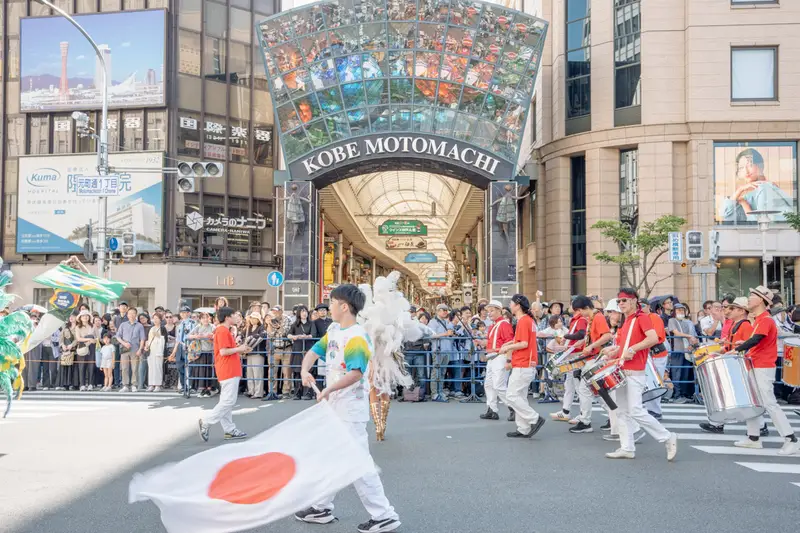
Speaking of which... the nickname Minato no Matsuri, meaning port festival, says a lot about the event's character. Kobe has always been shaped by the water, trade, and movement, and the festival reflects that with performances, street energy, and a public-facing, parade-style feel. If you're studying Japanese, this is a nice moment to remember minato for port, matsuri for festival, and how city nicknames often tell you more than a guidebook headline. But that’s not all.
What the name tells you
Here’s the kicker: Kobe Matsuri is also often described with the English-friendly label Kobe Carnival. That gives you a clue about its mood, because carnival suggests motion, colour, and public participation. Compared with back home, where some city festivals can feel separate from everyday life, this one sounds like it belongs right in the streets, with the city itself as the stage. Sounds odd, but it's true.
What to expect at Kobe Matsuri: parades, music, and street atmosphere
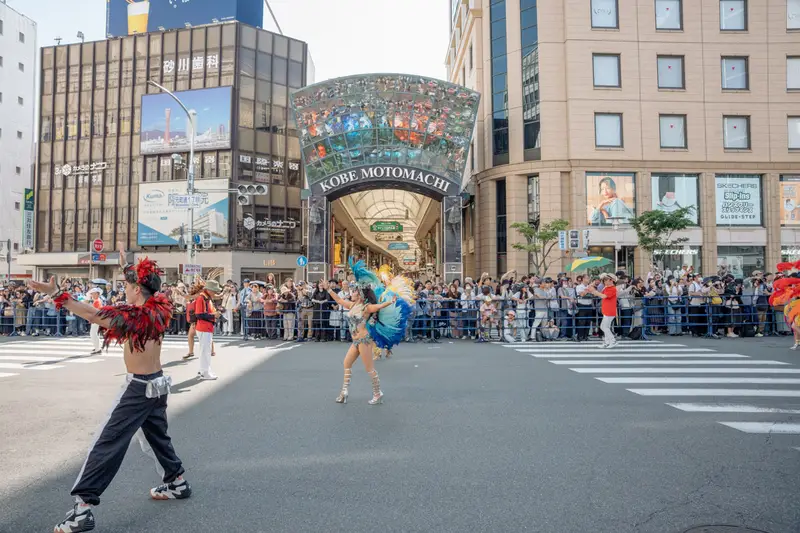
Let's be honest: not every festival needs giant mythology or ancient shrines to be worth your time. Kobe Matsuri thrives on street energy, marching groups, dance, music, and a festive atmosphere that spreads through the city. The exact programme changes by year, but the core identity stays the same, and that's part of the appeal.
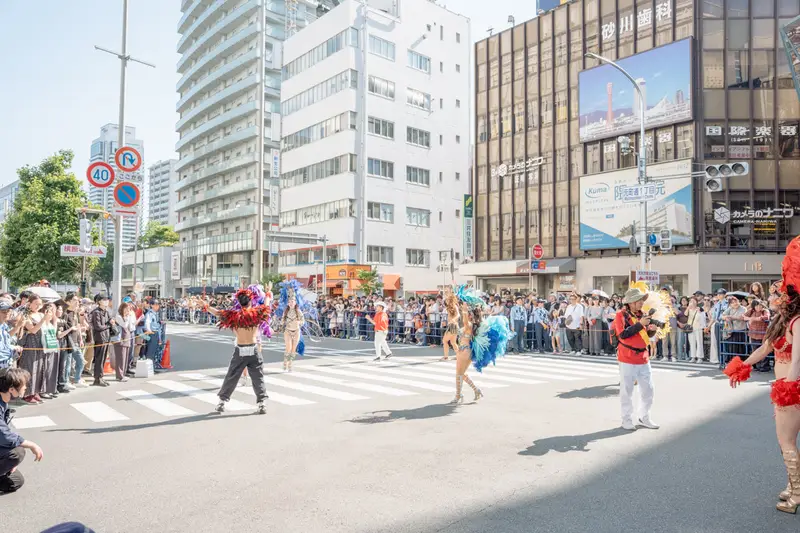
Let me show you why that matters for Japan fans. Many travellers picture Japanese festivals as quiet, traditional, or centred only on shrines, but Kobe Matsuri is a city celebration first and foremost. It feels public, modern, and easy to join as a spectator. If you're learning Japanese, it's a great place to pick up practical words like 踊り (odori) for dance, 音楽 (ongaku) for music, and 仕舞い (shimai, ending; closing) for closing or finishing, depending on the context. Quick detour: hearing those words in real use is often more memorable than memorising them from a textbook.
Why it feels different from a shrine matsuri
What many overlook: city festivals like this show another side of Japan, one that isn't tied only to old architecture or temple grounds. Kobe Matsuri is urban, open, and made for walking, watching, and moving with the crowd. Simply brilliant. If you enjoy people-watching, street performances, and the feeling that the entire downtown has decided to go out at once, you'll probably love the vibe.
Why Kobe Matsuri 2026 matters for Japan learners and fans
For Japanese learners, Kobe Matsuri is useful because it connects language with place. Kobe itself is easy to remember, and the festival vocabulary gives you a real context for words you may already know. Minato, matsuri, odori, and carnival-style descriptions all show how Japanese events can be explained with both native and borrowed language.
My tip: if you're planning to read Japanese travel pages or event listings, look for the pattern in festival names. A place name plus matsuri usually tells you where the celebration is rooted, while a nickname such as Minato no Matsuri can hint at local identity. That sort of reading practice builds confidence fast. And if you want more Japan coverage on jpnerd.com, check out more Japan news on jpnerd.com. Convinced yet?
For fans of Kobe, this festival is also a nice reminder that the city doesn't rely only on food, harbour views, and cosmopolitan reputation. It has its own calendar moment, one that has lasted since 1971 and is still going strong in 2026. This is my absolute hidden gem! Not because it's obscure, but because it's the kind of event that quietly explains a city better than a glossy brochure ever could.
In pictures
Frequently Asked Questions
What is Kobe Matsuri 2026?
It is Kobe's major city festival, returning in 2026 for its 53rd edition.
When did Kobe Matsuri begin?
The festival started in 1971.
Is Kobe Matsuri the same as Kobe Carnival?
Kobe Carnival is an English-friendly way the festival is sometimes described, especially for its lively parade style.


