It sounds small, but this kind of rail tweak matters on a long Tokyo-to-Osaka or Kyoto-to-Hiroshima trip. If you like practical Japan travel news, this is one to keep an eye on.
JR West is making a very real, very usable change on the Sanyo Shinkansen: on some Nozomi and Hikari services, the familiar wagon service is being reduced, and mobile ordering is taking the lead. For travellers, that means the old “wait for the trolley” routine isn’t the default everywhere on the line anymore. For Japanese learners, this is one of those moments where rail vocabulary suddenly becomes useful, fast. Words like densha, shinkansen, yoyaku, and kaiso pop up in real life, not just in textbooks.
This matters because the Sanyo Shinkansen isn’t some niche regional route. It’s the fast spine between western Honshu’s biggest cities, linking Shin-Osaka, Okayama, Hiroshima, and Hakata, and it carries huge numbers of business travellers and tourists every day. So when JR West changes service on this line, people notice. Seriously, if you’ve ever tried to grab a coffee while balancing luggage, a phone, and a reserved seat ticket, you already know why onboard convenience matters. But that’s not all.
What JR West is changing on the Sanyo Shinkansen
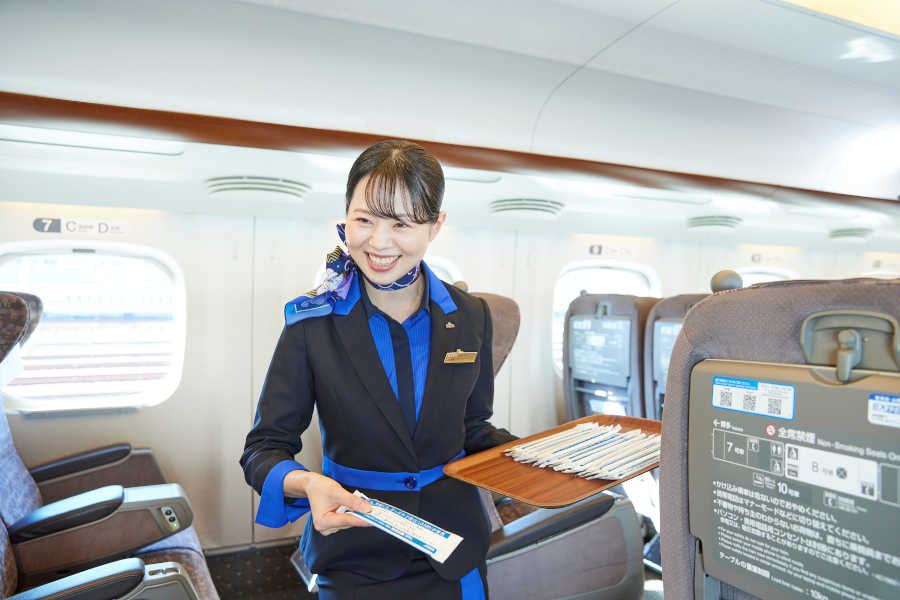
What most people don't know is that the Shinkansen wagon service was never just a nice extra; it was part of the rhythm of long-distance train travel in Japan. You’d hear the cart rolling down the aisle, spot the attendant, then choose between a coffee, ekiben-style snacks, or something cold to drink. JR West is now moving away from that model on selected Sanyo Shinkansen services, especially on Nozomi and Hikari trains, and replacing it with a mobile ordering system.
That means passengers can order from their phones instead of waiting for staff to come by. In practice, this should make service more targeted, less dependent on walking the entire train, and easier to manage during busy periods. The company is clearly betting that most riders already have their phones out anyway, whether they’re checking platforms, translating signs, or sending a quick message home. No exaggeration, that’s a very Japan-in-2026 kind of solution. Wait, there's more.
Why Nozomi and Hikari matter most
Did you know that Nozomi is the fastest common service on the Tokaido and Sanyo Shinkansen network, while Hikari makes fewer stops and is often the next-fastest option? That’s exactly why the change feels so practical. These are the trains many visitors actually use, especially when travelling between Osaka, Kyoto, Hiroshima, and Hakata.
Because these services are used for medium-to-long distances, onboard food and drink are more than a luxury. They help break up the trip. A fast, phone-based ordering system could be a better fit for travellers who don’t want to miss the cart, or who prefer to decide after departure. Pro tip: if you’re new to Japan rail travel, learn the basic words jiyuuseki and shiteiseki, because reserved seating and unreserved seating can change your whole journey experience. Convinced yet?
Mobile ordering on trains: how it changes the travel experience
Unlike what we're used to on many European or North American rail routes, Japanese long-distance trains often try to make the journey itself feel smooth, almost hotel-like. That’s why this mobile ordering shift is interesting. It keeps the service, but changes the delivery. Instead of a cart stopping at every row, passengers order from their seat and wait for the item to arrive, which sounds small until you’re on a crowded express train and don’t want to stand up.



My tip: this is especially handy if you’re travelling with children, heavy luggage, or a limited transfer window. You can settle in after departure, avoid hunting for the attendant, and still get a drink or snack without interrupting the trip. On a related note, this also fits the way many visitors already move through Japan, phone in hand, using apps for tickets, translations, maps, and restaurant reservations. Wild, isn't it?
What Japan travellers should expect
For visitors, the biggest difference isn’t the food itself, it’s the timing and the feeling. With the cart, you had to be ready when it came past. With mobile ordering, you’ll likely have more control, but also more responsibility, because you need to know how the system works before the train gets busy. If you’re a Japanese learner, this is a perfect chance to practise simple action words like tanomu and uketoru in a real setting, even if the app itself is in English.
That said, some travellers will miss the old-school charm. The trolley had a bit of natsukashii energy, that nostalgic feeling that makes Japan transport so memorable. I get that. Still, from a practical point of view, mobile ordering feels more efficient, and on a packed Sanyo Shinkansen run, efficiency wins. Highly recommended: don’t rely on station kiosks alone if you have a long ride ahead. But that’s not all.
Why this is a big deal for Japan fans and learners
Here’s the kicker: this is exactly the kind of everyday change that tells you a lot about Japan. Not a headline-grabbing megaproject, not a new train model, but a service adjustment that affects millions of trips. JR West is responding to how people actually travel now, with phones in hand and tighter schedules than ever. For fans of Japanese rail culture, that’s worth paying attention to.
It also gives learners a neat way to connect language with real life. Railway announcements, service updates, and station notices are full of useful words, and they’re not hard to spot once you start looking. Next time you see chuushi, kaisen, or jousha in a rail notice, you’ll know you’re reading something practical, not just studying vocabulary lists. That brings us to the bigger point: Japan travel gets easier when you follow the small changes, not just the big ones.
So if you’re planning a trip on the Sanyo Shinkansen, keep an eye on your train’s onboard service before departure. The old cart may still appear on some services, but the direction is clear, and JR West is leaning hard into mobile ordering. For travellers, that’s one more reminder that Japan’s rail system keeps evolving, even when it looks perfectly polished already. Sounds weird, but it's true. more Japan news on jpnerd.com
Frequently Asked Questions
Which trains are affected by the change?
The change focuses on selected Nozomi and Hikari services on the Sanyo Shinkansen.
Can passengers still buy food and drinks on board?
Yes, but JR West is shifting from wagon service to mobile ordering on some trains.
Why should Japan travellers care?
Because it affects a common long-distance route, and it changes how you plan snacks and drinks during the ride.