
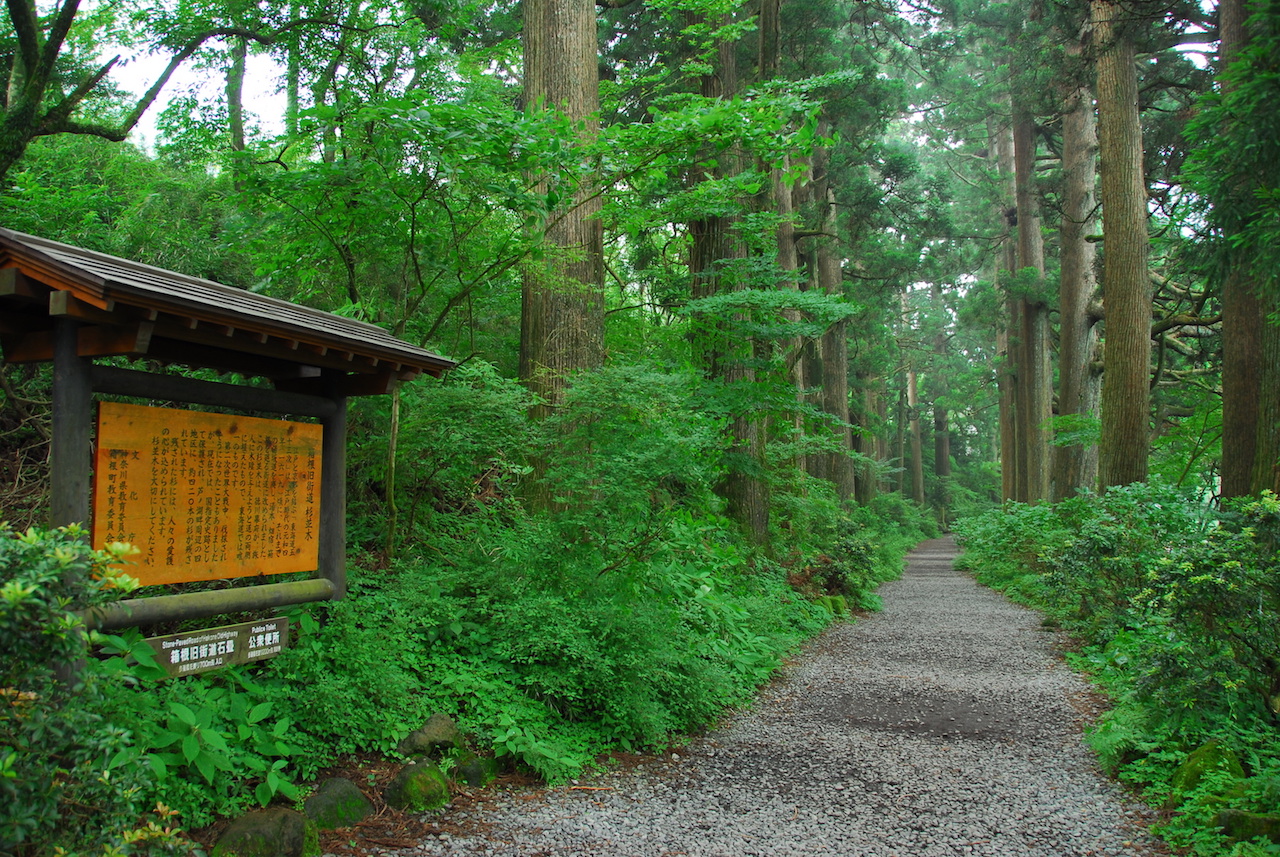
And what's more, this isn't just about saving money. It's about making the whole Tokyo-Hakone-Fuji Five Lakes route feel easier, smoother, and a lot more doable, even if you're not planning some giant grand tour.



Fuji Hakone Pass sounds like one of those boring ticket names you skim past, but here's the thing: if you're planning a trip from Tokyo into the Hakone and Fuji Five Lakes area, it can be one of the smartest small decisions you make. For around $65, you get a bundle that cuts the stress, trims the cost, and opens up a route that mixes trains, buses, lake views, and, if luck smiles on you, a proper Mount Fuji sighting. Not bad, right?
The reason is simple: Japan rail and bus fares add up fast once you leave the city grid. Compared to back home, where a day trip might just mean one train and a parking lot, this area asks you to juggle multiple legs, mountain roads, and local transport systems. The pass helps turn that into something neat and readable. It feels less like logistics and more like a little travel project you can actually enjoy.
What the Fuji Hakone Pass actually covers
Here’s the deal: the Fuji Hakone Pass is designed for travel in the Tokyo-Hakone-Fuji Five Lakes corridor, usually sold through Odakyu. It typically covers round-trip travel between Tokyo and the Fuji-Hakone area, plus local transport in key spots such as Hakone and parts of the Fuji Five Lakes region. Depending on the version you buy, you may use trains, buses, cable cars, ropeways, and boats within the covered zones.
That mix matters. In Hakone, you can move from Odawara into the mountains, hop on the Hakone 登山 (Tozan, mountain climbing) Railway, ride the ropeway toward Owakudani, then continue to Lake Ashi. In the Fuji area, the pass makes it easier to branch toward places like Kawaguchiko, where the classic lakeside Fuji view has made more than a few people stop mid-sentence. Simply brilliant.
Before I forget: prices and coverage can change, so always double-check the official route map before you go. But if you see a pass around the $65 mark, that's the sweet spot many travellers talk about, especially if you're doing both Hakone and the Fuji side in one trip. My tip: plan your route first, then see if the pass fits it, not the other way around.
How to use it for the Tokyo-Hakone-Fuji Five Lakes route
Let me show you why this pass is so handy. A classic trip starts in Tokyo, heads west to Hakone for an onsen stay or a day loop, then continues toward the Fuji Five Lakes area for lake views and mountain scenery. You can also flip the order, spend a night near Kawaguchiko, and return through Hakone if that fits your pace better. Travel in Japan rewards flexibility, and this route has plenty of it.
A practical 3-day style route
Day one, leave Tokyo early, reach Hakone by late morning, and spend the afternoon on the ropeway, around Owakudani, and down by Lake Ashi. Day two, move toward the Fuji Five Lakes area, maybe Kawaguchiko or Fujiyoshida, and stay somewhere with a Fuji-facing window if you can swing it. Day three, slow down, take the photo stop everyone secretly wants, and head back to Tokyo once the light starts to soften.



Unlike what we're used to in a big city trip, the fun here is partly in the in-between moments. A bus window framing cedar trees. A tiny station platform. A vending machine coffee before sunrise. That's where Japan starts feeling especially alive, and the pass makes it easier to string those moments together without constantly checking your wallet. Sounds good, right?
Why Fuji and Hakone work so well together
Deep in the mountains of central Japan, these two areas give you very different moods without forcing you to travel far. Hakone is all steam, slopes, lake crossings, and that slightly theatrical mountain resort feeling. The Fuji Five Lakes area, especially around Lake Kawaguchi, is calmer, more open, and built around looking outward at the mountain itself. One gives you atmosphere, the other gives you the view.
That's why combining them makes sense. If you stay in one place only, you get half the story. If you connect them, you get contrast, and contrast makes travel memorable. I especially like how you can spend the morning in a misty hot spring town, then end the day with a postcard view of Fuji if the clouds behave. They don't always behave, of course, but when they do, it feels earned.
For Japanese learners, this is also a great route for real-world vocabulary. You'll hear words like 山 (yama) for mountain, 水 (mizu) for water, and onsen for hot spring everywhere. If you stay in a ryokan, look for signs with 宿 (yado) for inn, 宿泊 (shukuhaku) for lodging, and 懐石 (kaiseki, traditional multi-course meal) if your dinner is the full multi-course kind. Even just spotting these words in station signs and hotel notices makes the trip feel more interactive. You're not just passing through, you're reading Japan as you go.
My best tips for making the pass worth it
Compared to buying tickets one by one, this pass pays off fastest if you actually use the full loop. So, try to pair Hakone and the Fuji Five Lakes area in one trip, or at least make one of them an overnight stop. A rushed day trip can work, but you'll probably enjoy it more if you let the mountains set the rhythm instead of sprinting between stops.
Here are a few things I always keep in mind. First, leave Tokyo early, because mountain routes are simply easier when you're not chasing the clock. Second, check weather and Fuji visibility before you lock in your dates, because a clear morning can make all the difference. Third, if you're going in autumn or during 桜 (sakura, cherry blossoms) season, book accommodation early, since the best lakeside spots disappear fast. Before I forget: if you love photographing Fuji, sunrise and early morning are usually your best friends.
And if you're still deciding whether this is worth it, I’d say yes, if your plan includes both Hakone and the Fuji side. The savings are real, but the bigger win is mental energy. Less ticket stress, fewer separate purchases, more room to just look out the window and enjoy the ride. My verdict: that's a solid travel hack.
Frequently Asked Questions
Is the Fuji Hakone Pass good for a first-time visit?
Yes, especially if you want to see both Hakone and the Fuji Five Lakes area without sorting every ticket separately.
Can you use it for a Tokyo day trip?
You can, but it makes even more sense if you stay one or two nights and combine several stops.
When is the best time to go?
Clear autumn and winter mornings are great for visibility, while spring is lovely for lake views and blossoms.


