

There’s a nice balance here, too, because you can go from lantern-lit shrine grounds to a modern city event in the space of an hour. Sounds weird, but it’s true.
September in Tokyo always has that slightly in-between feeling. Summer is fading, the air gets easier to breathe, and the city starts to shift from heat-heavy sightseeing to slower walks, evening events, and shrine visits. For Japan fans, Tokyo in September 2026 is especially worth watching because it gives you both: a proper local festival mood and the kind of quiet shrine time that makes a trip feel memorable. See what I mean?

Here's the catch: September dates can still move a little from year to year, so if you’re planning ahead for 2026, you’ll want to check official shrine and ward pages closer to the time. But let's stick with the events and atmosphere that are already established, because that’s where the real value is. The big name to keep on your list is the Ōtori Shrine Annual Festival, a tradition with a history of around 300 years, and it’s one of those Tokyo events that tells you a lot about local community life.
Tokyo in September 2026: what the month feels like
Fun fact: September is one of the best months for walking Tokyo without feeling completely cooked by the weather. Daytime can still be warm, but mornings and evenings are usually better than August, and that alone changes how you experience the city. You can spend an afternoon in Asakusa, then head to a shrine event after sunset without feeling like you’ve made a terrible life choice.
For Japan learners, this is a good month to notice seasonal words in the wild. You’ll hear 秋 (aki, autumn) for autumn, 祭り (matsuri, festival) for festival, and 神社 (jinja, shrine) for shrine, over and over again. That repetition helps, because these words aren’t just textbook vocabulary, they’re the labels Tokyo people actually use when they talk about plans, local tradition, and neighbourhood events. Basically: real-life Japanese, not classroom Japanese.

What many overlook: September is also when Tokyo starts showing its softer side. The city is still busy, sure, but the event calendar leans a little less towards giant summer spectacle and a little more towards local customs, evening stalls, and shrine grounds that feel surprisingly peaceful between bursts of activity. My tip: don’t only chase the famous districts, because some of the best September moments happen in smaller shrine precincts. My verdict: that’s where Tokyo feels most human.
Ōtori Shrine Annual Festival and its 300-year history
Guess what? The Ōtori Shrine Annual Festival is one of those events that sounds modest on paper, then turns out to be exactly the sort of thing Japan lovers remember for years. Ōtori Shrine, often associated with Taito and the wider Asakusa area, has a long-standing role in local faith and neighbourhood life, and the annual festival is said to have a history of roughly 300 years. No wonder, because that kind of continuity gives a festival real weight.
Why this festival matters
The festival is tied to the shrine’s identity, so you’re not just watching entertainment, you’re seeing a working piece of Tokyo tradition. Expect a lively shrine atmosphere, food stalls, prayers, and the kind of community energy that only a neighbourhood festival can really produce. If you’ve ever wanted to understand why Japanese festivals feel so layered, this is a good example, because the fun part and the faith part sit right next to each other.
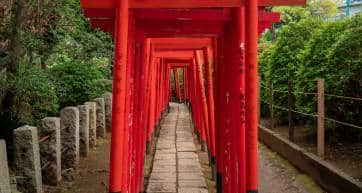
Before I forget: the shrine itself is worth visiting even when no major event is on. Quiet shrine visits are one of the best ways to reset during a Tokyo trip, especially if you’ve been doing big-ticket sightseeing all day. You walk through the grounds, watch people bow, maybe hear the clink of an offering box, and the whole pace changes. Sounds simple, but it’s brilliant.

For language learners, shrine visits also give you useful cultural vocabulary in context. Watch for signs with 御縁 (goen, good connection; fate) meaning a good connection or fate, and お守り (omamori, protective charm) for protective charms. You may not use these words every day, but once you see them in a real shrine setting, they stick much better. See what I mean?
Other Tokyo events to watch in September 2026
It’s early morning in Kyoto. Wait, wrong city, but the mood is similar: September in Tokyo often starts quietly, then suddenly fills up with neighbourhood events, art shows, and autumn preview festivals as the month goes on. That mix is useful if you’re building a travel calendar, because it gives you options without forcing you into one crowded itinerary. You can pair a shrine visit with a museum stop, a shopping street walk, or an evening food run.
Tokyo event calendars such as Tokyo Cheapo are handy for checking what’s scheduled across the month, especially if you want a broad view rather than one specific festival. Keep an eye on local ward websites too, because smaller events often show up there first. If you like planning in detail, that combination is hard to beat. Simply brilliant.
What I especially like about September is the rhythm. You can start the day with a calm shrine visit, then switch gears and head to a busier event in the evening. The contrast makes the city feel bigger, not smaller. And if you’re studying Japanese, that contrast helps you hear different registers too, from polite shrine language to casual event chatter. Insider tip: listen for how people change tone depending on where they are.

How to make the most of Tokyo in September 2026
Start with one anchor event, ideally the Ōtori Shrine Annual Festival, then leave room around it for wandering. Tokyo rewards flexible plans, especially in September, when weather, crowds, and local schedules can all shift a little. If you pack every hour, you’ll miss the best part, which is stumbling into a quiet shrine lane or an unplanned matsuri street.
My tip: go early in the day for the shrine itself, then come back later if the festival picks up after dark. Many shrine grounds feel completely different at night, and that change is half the fun. If you’re into Japanese learning, write down three words you hear or see on the day, like matsuri, omamori, and goen. It’s a small habit, but it makes the trip stick in your memory.
Tokyo in September 2026 won’t be about one massive headline event. It’ll be about a good festival, a shrine with a long memory, and a city that finally feels ready to slow down a little. That’s a pretty good combination, honestly. Personally, I’d build a whole Tokyo day around it.
In pictures

Frequently Asked Questions
Is September a good month for Tokyo festivals?
Yes, September is a strong month for local festivals, shrine events, and evening outings. The weather is usually easier than in peak summer.
What makes Ōtori Shrine important?
Ōtori Shrine is known for its long history and its annual festival, which has been connected to local life for around 300 years.
Can I combine shrine visits with other Tokyo events?
Absolutely. September is a flexible month, so you can pair a quiet shrine visit with art events, shopping areas, or neighbourhood festivals.


