
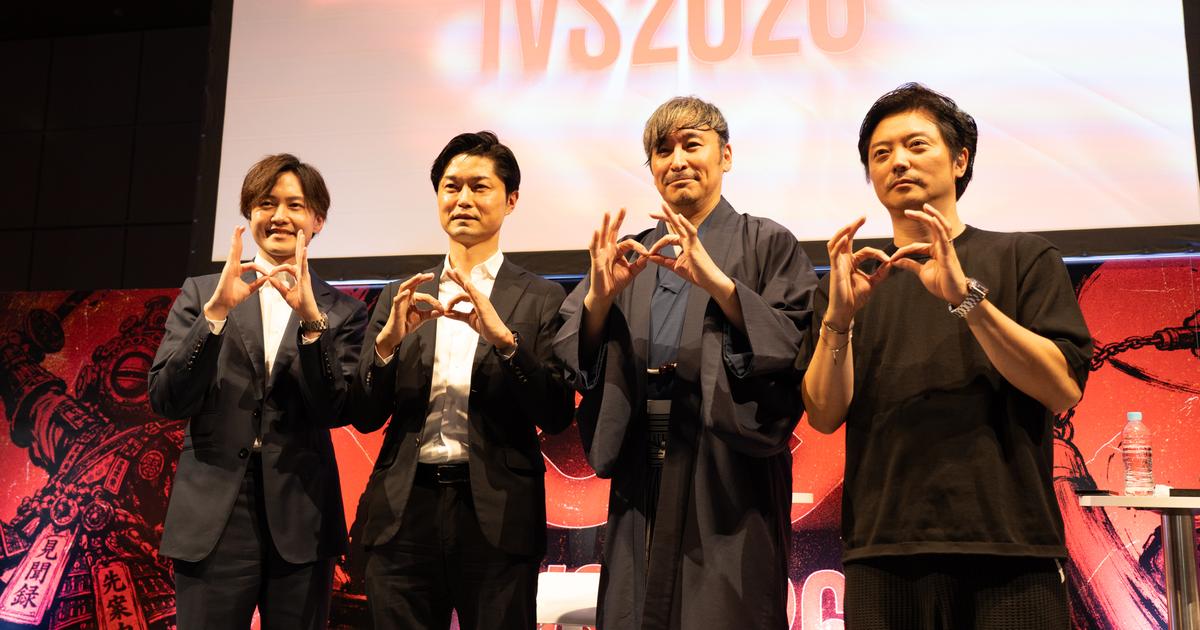
The timing matters too, because this shift is being talked about in the atmosphere of Matcha 26 Summer, where business, tech, and networking overlap in a very Japanese way. If you follow Japan’s future economy, this is one of those stories that tells you where the country wants to go next.
Japan's startup policy is getting a lot more serious, and fast. The latest push isn’t just about funding a few trendy apps in Tokyo, it’s about building a long-term growth engine across the whole economy.
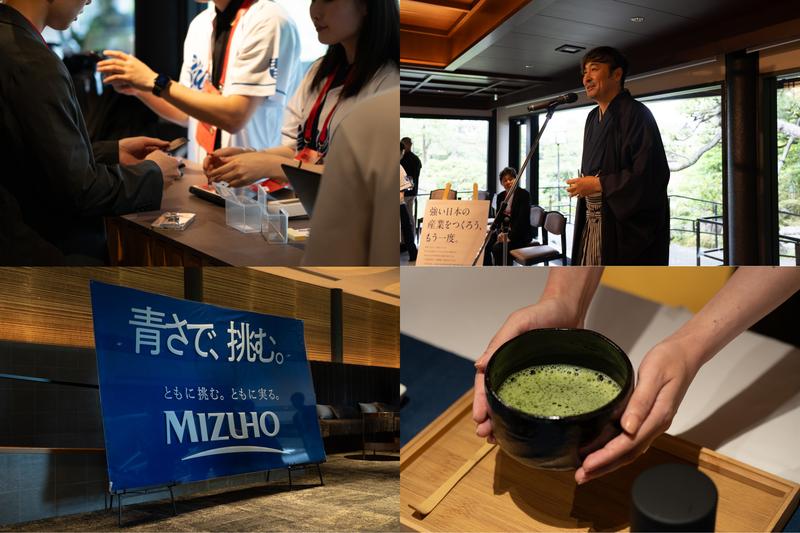
Guess what? The headline figure is huge: a 370 trillion yen investment goal. That’s roughly the scale Japan’s aiming for when it comes to public and private capital flowing into innovation, industrial upgrades, and new business creation. For Japan watchers, that number says one thing very clearly: the country doesn’t want to be a spectator in the next wave of global competition.
And the timing isn’t an accident, either. Matcha 26 Summer is being used as a live event backdrop for this conversation, which gives the policy talk a real-world edge. Instead of staying in a ministry document, the startup story shows up where founders, investors, and business fans can actually meet, exchange cards, and talk shop. See what I mean?
Japan Startup Policy and the 370 Trillion Yen Goal
Did you know that Japan has been building this startup push step by step since the Kishida administration made startup growth a national policy theme? The new scale is bigger, sharper, and far more ambitious. A 370 trillion yen investment target sounds almost unreal at first, but it fits Japan’s current strategy, which wants to connect government planning, corporate capital, and regional innovation.
Here’s the catch: the money itself isn’t the whole story. What matters is where it goes, and how quickly it can turn into jobs, prototypes, factories, patents, and exports. Japan has a strong base in manufacturing and deep tech, but it’s often been slower than the United States or parts of Europe when it comes to scaling startups. This policy aims to close that gap.
Take the language around the plan, for instance. Japanese policy often uses words like 創出 (soshutsu, creation, generation), 成長 (seicho), and 社会実装 (shakai jissou, social implementation; real-world deployment), creation, growth, and social implementation. That last one is especially Japanese, because the idea isn’t just to invent something in a lab, but to get it into hospitals, offices, transport systems, and daily life. My tip: if you’re learning Japanese, keep an eye on these policy phrases, because they show up everywhere in business news. Wait, there’s more.
17 Priority Fields: Where Japan Wants to Build Next
What exactly are the 17 focus areas? The plan is broad on purpose. Japan wants to spread risk, but also create clusters where startups and major companies can work together. Think of sectors like AI, semiconductors, green energy, mobility, biotech, space, advanced manufacturing, digital government, and disaster resilience. That mix tells you a lot about Japan’s priorities: safety, efficiency, and export strength all sit side by side.
No joke: this isn’t just about flashy consumer apps. Japan’s strongest opportunities are often in areas where it already has industrial depth. For example, semiconductors matter because they support cars, robots, and electronics. Biotech matters because Japan’s ageing society needs new healthcare solutions. Green energy matters because the country still depends heavily on imported fuel. And mobility remains a big deal because Japanese companies have long experience in transport systems, batteries, and robotics.
And it gets better: regional cities could benefit too. A startup policy that only helps Tokyo would miss half the point. Japan has plenty of talent outside the capital, from Fukuoka to Sapporo to Osaka, and local governments have been trying to attract founders with lower costs and stronger community support. Highly recommended: if you’re following Japan business news, track the regional angle, because that’s where the hidden momentum often is. See what I mean?
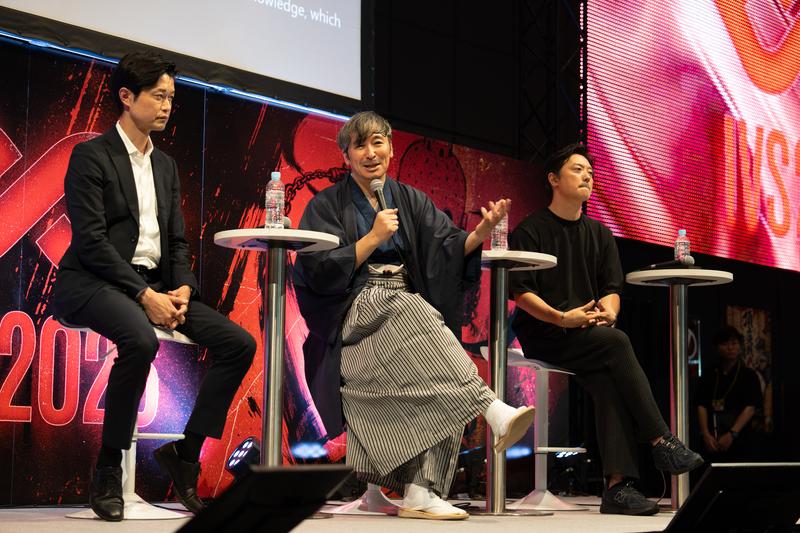
Why the 17-field approach matters
Hand on heart: this kind of structure is smart, even if it sounds bureaucratic. By naming 17 fields, policymakers can signal openness while still steering money towards strategic sectors. That helps investors, too, because it gives them a clearer picture of where public support is likely to stay strong over time.
For example, a founder working on climate tech can look at the plan and see a policy tailwind. A company building AI tools for factories can do the same. That certainty matters in Japan, where many entrepreneurs still worry about long sales cycles and cautious corporate buyers. See what I mean?
Matcha 26 Summer as the Startup Networking Stage
Why mention Matcha 26 Summer in a policy story? Because Japanese business culture loves context, and live events often do more than official speeches ever can. A gathering like this turns abstract policy into something people can touch, hear, and question in person. Insider tip: in Japan, the real conversations often happen after the panel, not during it.
For Japan fans, the event atmosphere is also a nice reminder that business here often blends formality and warmth. People exchange 名刺 (meishi, business card), use careful language, and still build trust through small details, timing, and follow-up messages. If you’re a Japanese learner, this is a good place to notice useful words like 会議 (kaigi, meeting; conference), shinsou, and 連絡 (renraku, contact; communication). They pop up constantly in startup and event settings, and once you know them, Japanese business content becomes much easier to follow.
What I especially like: events like Matcha 26 Summer help connect the policy level with the human level. A 370 trillion yen target can feel cold on paper, but when founders, investors, and regional players meet face to face, it starts to look like an actual ecosystem. That’s the part Japan needs if it wants this strategy to work beyond press releases. My verdict:
What This Means for Japan’s Economic Future
So where does this leave Japan? If the policy lands well, it could mean more startup exits, more industrial partnerships, and more international attention. It could also help Japan keep talent at home, instead of watching graduates and engineers head abroad for faster-moving markets.
Fun fact: Japan doesn’t need to copy Silicon Valley to succeed. It can build a model based on precision, trust, and long-term industrial links. That suits the country’s strengths much better than a pure hype cycle. If the government can keep the 17 fields aligned and the 370 trillion yen target credible, this could become one of the most important economic stories of the decade. Oh, almost forgot: for learners of Japanese, this is also a great chance to practise reading real-world terms like 政府 (seifu, government), 企業 (kigyo, company; business), and mirai in context.
My tip: keep following the policy, but also watch the events, the local partnerships, and the sector-specific deals. That’s where the real movement will show up, not just in the headline number. Wait, there’s more.
Frequently Asked Questions
What is Japan trying to achieve with this startup policy?
Japan wants to create a stronger innovation economy, attract investment, and build new growth areas across multiple industries.
Why is the 370 trillion yen target important?
It shows the scale of Japan’s ambition. The number signals that the government wants startup growth to become a major part of the national economy.
Why does Matcha 26 Summer matter here?
It gives the policy story a real event context, where founders, investors, and business enthusiasts can connect directly.

