That said, if you do need to self-apply, the real challenge isn’t the form itself, it’s getting the paperwork right the first time. No wonder, because embassies and visa websites keep stressing that incomplete applications take longer, and that means a neat document set can save you days or even weeks.


Japan visa 2026: start with the category, not the papers
Ever wondered why some people talk about a Japan visa while others just talk about a passport stamp? The answer is simple: the required documents change a lot depending on your purpose of travel. Tourist travel, student stays, and working holiday applications all follow different rules, so the first step is always to match your trip to the right visa type.
For a standard holiday, many travellers from visa-exempt countries don’t need to submit a visa application at all. According to reise-kroeten.de, citizens of Germany, Austria, and Switzerland can usually stay in Japan for 90 days on entry for tourism. Compare that with a student visa or working holiday visa, where the paperwork gets much heavier, because the embassy wants proof of purpose, finances, and a clear plan.
Here’s the kicker: the self-apply process is mostly about precision. If a document is missing or formatted badly, the file can be delayed, and in some countries the embassy or visa centre won’t even start processing until the application is complete. Convinced yet?
The document checklist for a self-applied Japan visa
Unlike what we’re used to with some online travel forms, Japan visa applications still often rely on a physical document bundle. The exact list varies, but the core items usually stay the same across many categories.
Most common documents
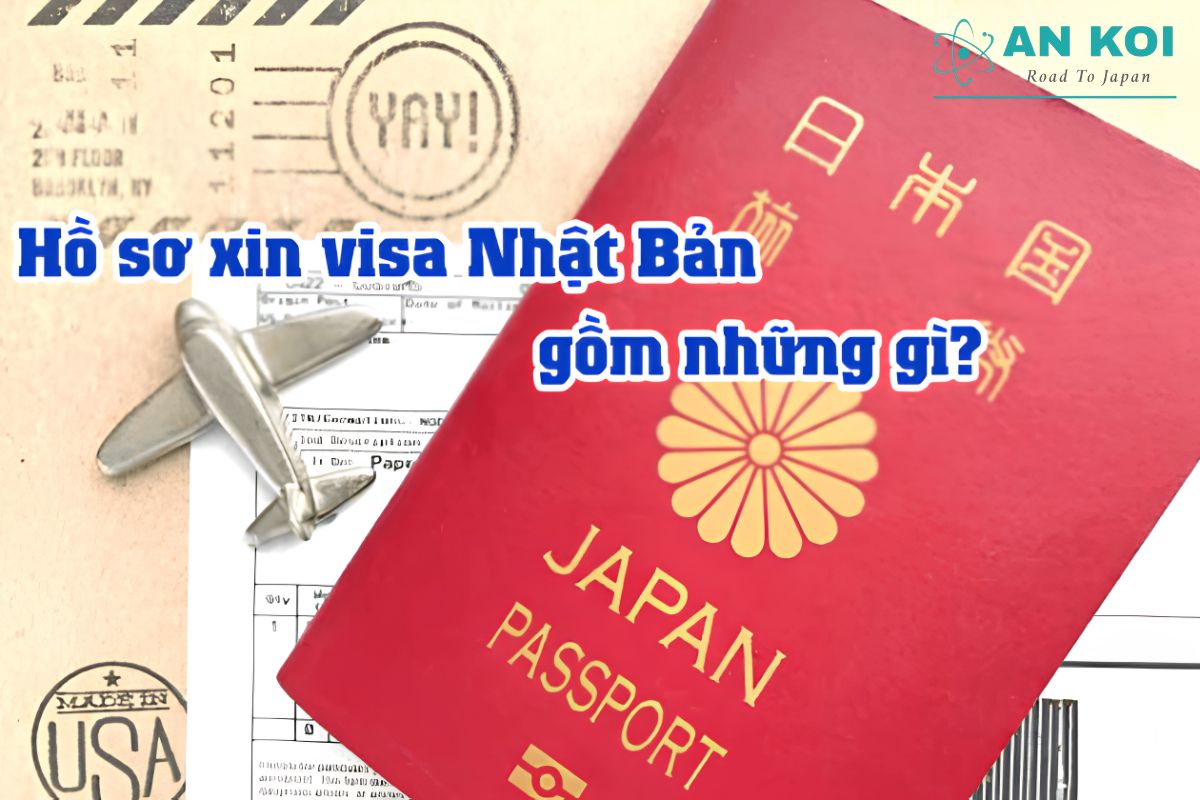
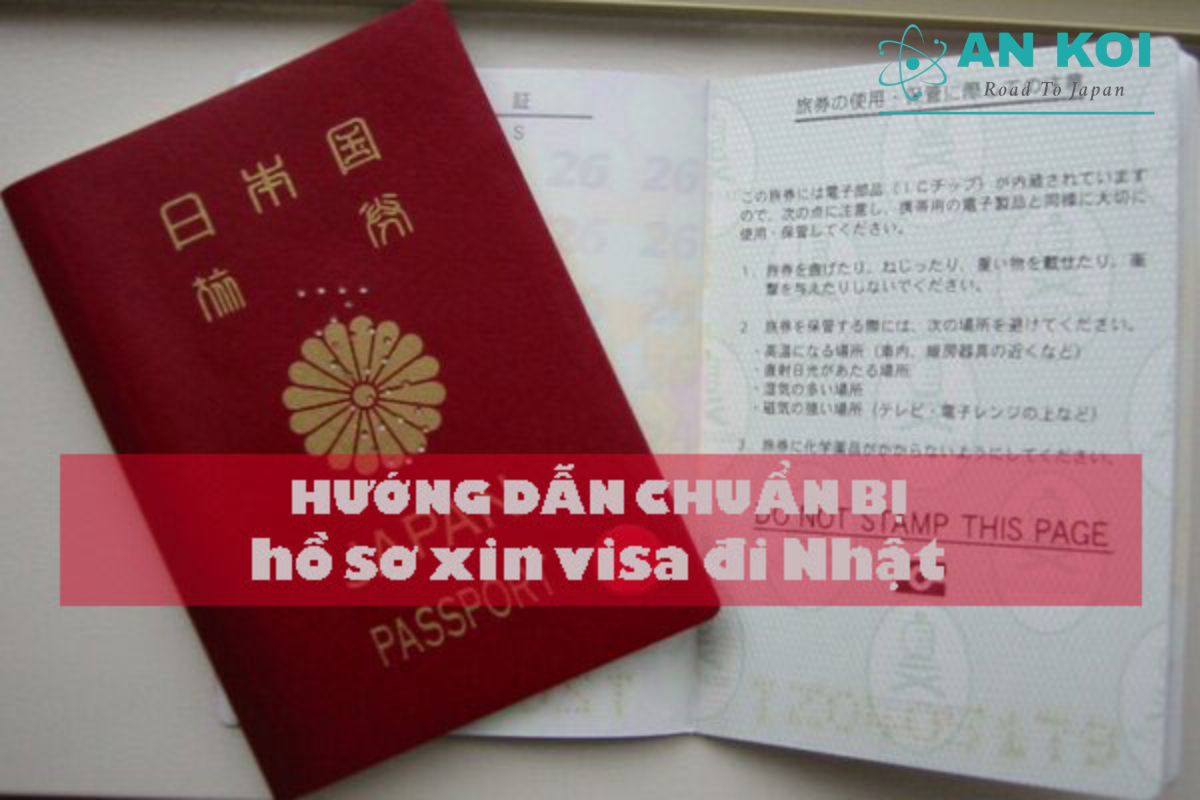
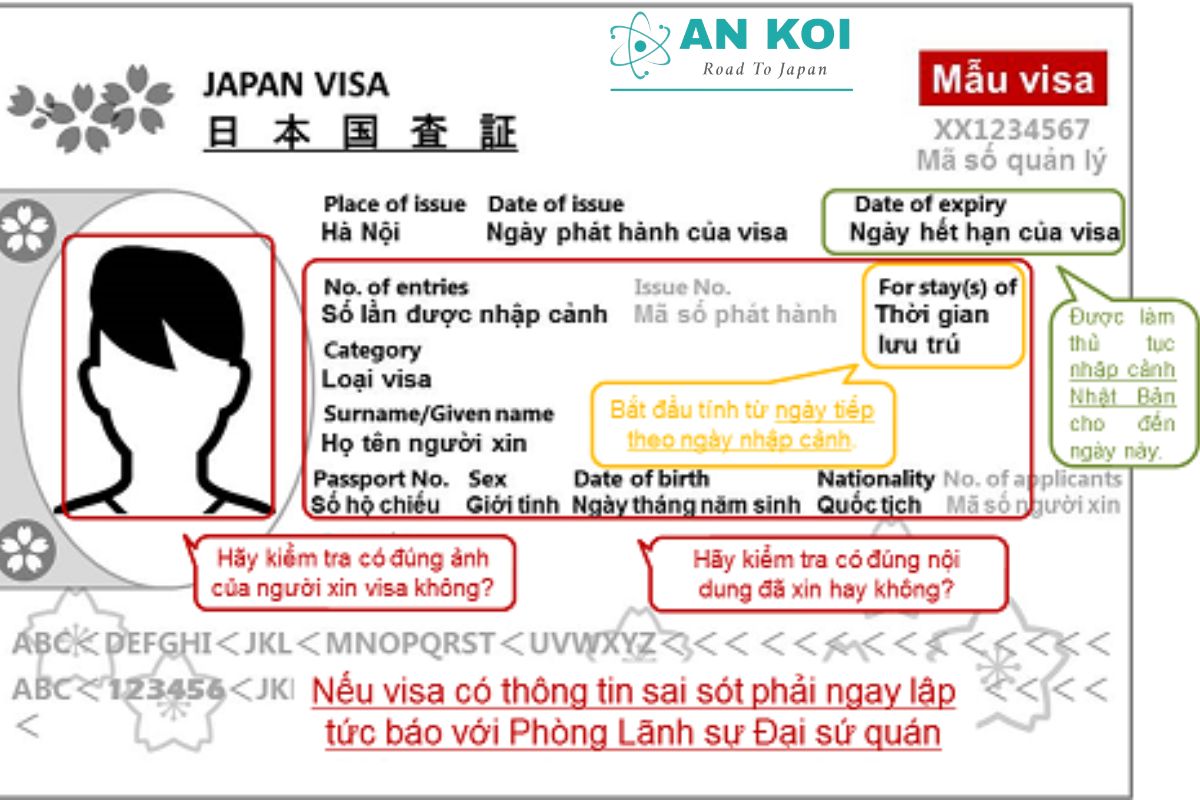
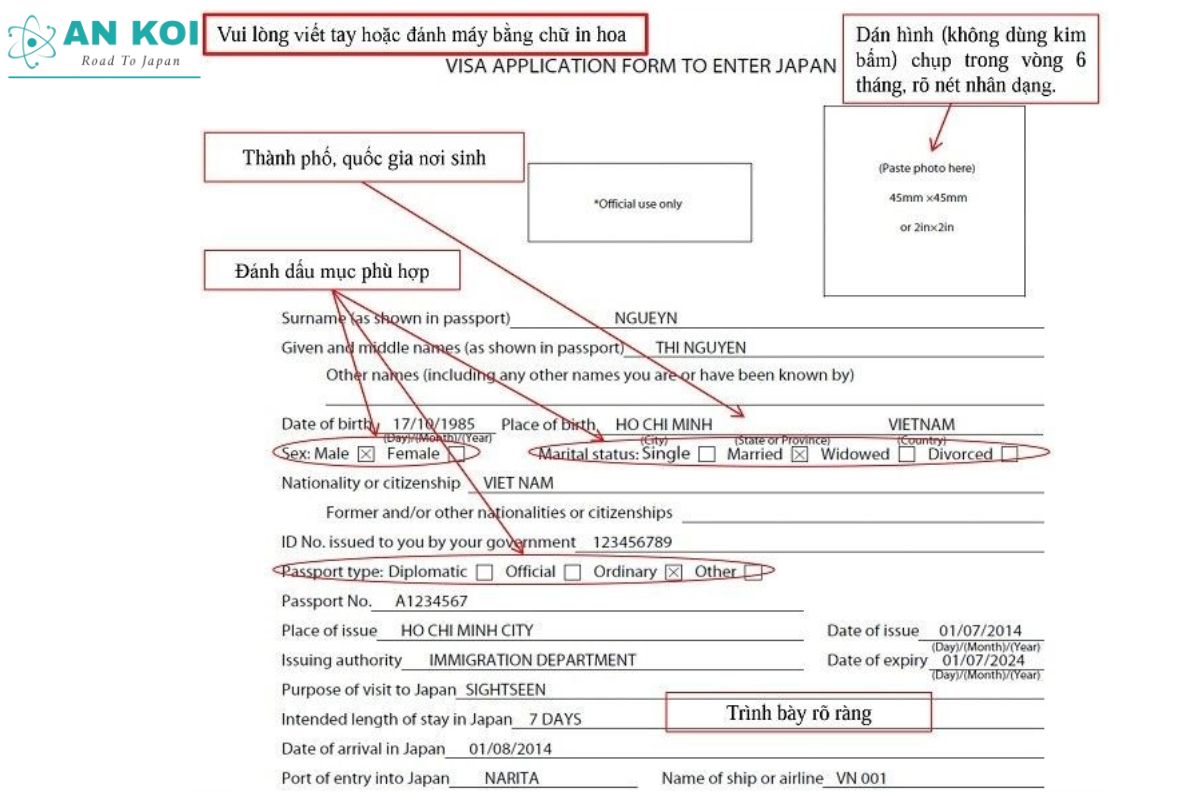
For a self-applied Japan visa, expect to prepare these basics: a completed visa application form, a valid passport, a recent passport photo, proof of travel plans, and supporting documents that match your visa type. For tourism, that often means a flight itinerary, hotel reservations, and a schedule of where you plan to stay. For study, schools usually require a Certificate of Eligibility first, then the visa paperwork follows. For a working holiday, embassies typically ask for financial proof, a return ticket or funds for one, and documents showing you meet age and nationality rules.
Here’s the catch: documents that sound small can matter a lot. Bank statements, school acceptance letters, and employment or enrolment proof may decide whether your application looks solid. If you’re a Japanese learner, this is a good moment to learn a few useful words in ローマ字 (romaji, Roman letters; romanization), like 書類 (shorui, documents; papers) for documents, 申請 (shinsei, application; filing) for application, and 会計証明 (kaikei shomei, financial proof; accounting certificate) for financial proof. Sounds a bit odd, but it’s true, reading visa guidance in romaji can make the process feel much less intimidating.
My tip: keep every document in the same order as the checklist from the embassy or visa centre. A tidy file doesn’t guarantee approval, but it does make it easier for the officer to review your case quickly. See what I mean?
How the self-apply process usually works
Before I forget: self-applying doesn’t mean every country uses the same route. In some places, you submit directly to the embassy or consulate, while in others you go through an authorised visa centre or agent. The workflow is usually similar, though, and it starts with checking the exact list for your nationality and visa category.
First, confirm the correct form and document list on the official Japan embassy or visa page for your country. Then gather your papers, make copies if required, and fill in the form carefully. Next, submit the application in person or through the designated channel, pay any fee that applies, and wait for processing. According to the Embassy of Japan in New Zealand, processing is usually about 1-2 weeks depending on how complete the application is, and incomplete applications can take much longer.
On the flip side, that means a strong application is also a fast application. A clean passport copy, consistent dates, matching hotel bookings, and believable travel timing all help. For language learners, this is also a practical way to get used to Japanese administrative style, where neatness and accuracy matter more than big explanations. Highly recommended: read every date twice, because one wrong day can throw off the whole file.
What most people don’t know: some visa types need extra background paperwork long before the actual visa step. Student applicants often deal with a Certificate of Eligibility first, and working holiday applicants may need proof of funds or age eligibility. The visa itself is only the final piece. But that’s not all.
What matters most in 2026: completeness, timing, and category rules
In 2026, the biggest mistake is still the same one people made years ago, submitting a half-finished file and hoping the missing page won’t matter. No wonder, because visa staff are trained to look for consistency, not excuses. If your itinerary says Tokyo to Kyoto, your hotel list shouldn’t suddenly jump to Osaka without explanation.
Compared to back home, Japanese visa paperwork can feel more formal, but it’s actually very logical once you break it into parts. One set of papers proves who you are, another shows why you’re going, and another shows you can support the trip. For Japan fans, that structure is oddly reassuring, because it mirrors the country itself, orderly, detail-focused, and not a fan of sloppy shortcuts.
Oh, almost forgot: always check whether your situation even requires a visa before you start collecting pages. For some travellers, the answer is no, and that saves a lot of time. For everyone else, the best strategy is simple: follow the official checklist, submit everything in one go, and give the application enough lead time. My tip: treat the visa file like a Japanese sentence, if one part is missing, the meaning breaks.
In pictures
Frequently Asked Questions
Do I always need a visa for Japan?
No. Some travellers can enter for short tourism stays without a visa, depending on nationality.
What is the most important part of a self-applied visa file?
Completeness. The application is usually processed faster when every required document is included and matches the stated travel plan.
How long does processing usually take?
It varies by country and visa type, but one official source cited here says about 1-2 weeks if the application is complete.