
If you’re learning Japanese, this prefecture is a goldmine. You’ll hear everyday words like 駅 (eki, station), onsen, and 海水 (kaisui, seawater), and you’ll see how modern city life and old-school Japan sit side by side.
Kanagawa: why this prefecture belongs on your Japan list
Ever wondered why so many travellers end up loving Kanagawa after they meant to “just pop in” from Tokyo? The answer is simple: it’s close, varied, and easy to navigate, but it still feels like a proper Japan adventure. From Yokohama’s waterfront to Kamakura’s temples and Hakone’s mountain air, you can pack a lot into a few days.
What most people don’t know is that Kanagawa isn’t just a Tokyo satellite. It’s Japan’s second most populated prefecture, with Yokohama as its capital, and it has a travel rhythm all its own. Take Yokohama, for instance. It grew fast as one of the first ports opened to foreign trade in 1859, and that history still shapes the city’s food, streets, and skyline. Sounds good, right?
1. Yokohama gives you big-city Japan without Tokyo stress
Yokohama is where I’d start if you want a smoother urban experience. Minato Mirai 21 has the Landmark Tower, which opened in 1993 and stands 296 metres high, and the whole bay area feels spacious compared with central Tokyo. You can walk from the red brick warehouses to the Cosmo Clock 21 Ferris wheel, then grab ramen at the Shin-Yokohama Ramen Museum, which opened in 1994 and recreates Showa-era alley vibes.
On a related note, Yokohama Chinatown is one of the largest in the world, and it’s a great place to practise food vocabulary in romaji, like shumai, nikuman, and kouri. If you like urban travel but don’t want constant sensory overload, this is a strong first stop. See what I mean?
2. Kamakura is classic Japan, with temples and sea air
Kamakura has the kind of atmosphere that makes even a short visit feel meaningful. The Great Buddha at Kotoku-in dates back to the 13th century, and Hasedera offers hillside views over Sagami Bay, which is especially beautiful in hydrangea season. It’s early morning in Kyoto. No, not literally, but Kamakura gives you that same quiet, reflective mood before the crowds arrive.
That reminds me: this is a great place to learn cultural words that show up in travel guides, like 神社 (jinja, Shinto shrine), tera, お守り (omamori, protective charm), and 御朱印 (goshuin, temple/shrine stamp). You’ll see them everywhere, and once you know the terms, temple visits become easier to enjoy and explain. Highly recommended: arrive early, before the day-trip rush from Tokyo kicks in. Convinced yet?

3. Hakone is the hot-spring escape everyone should try
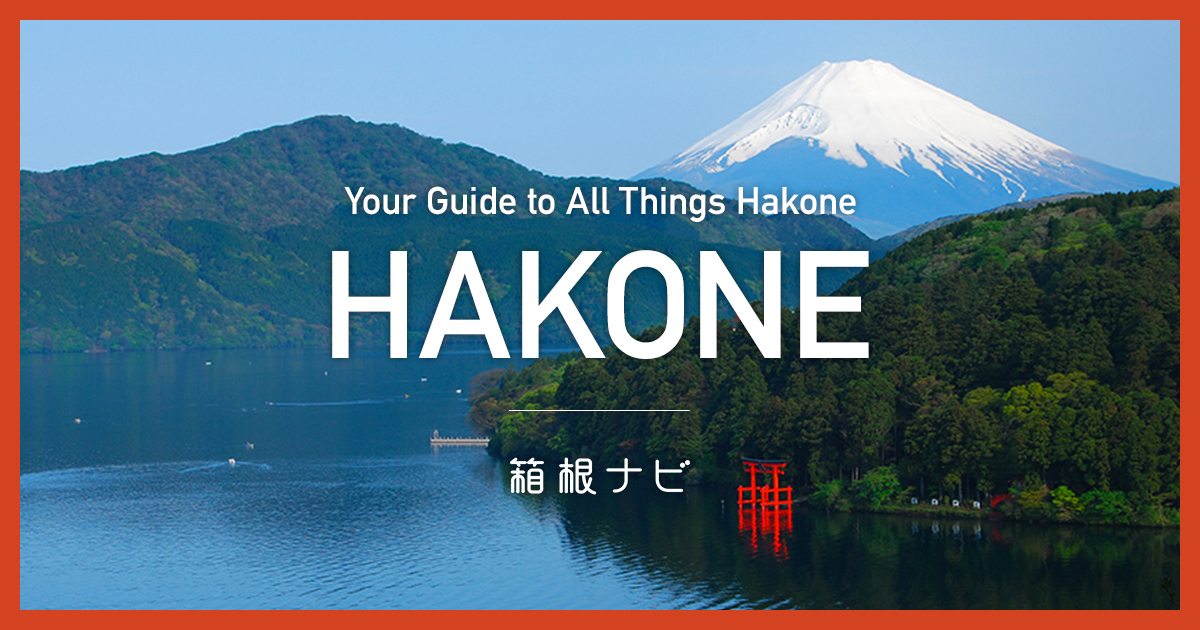
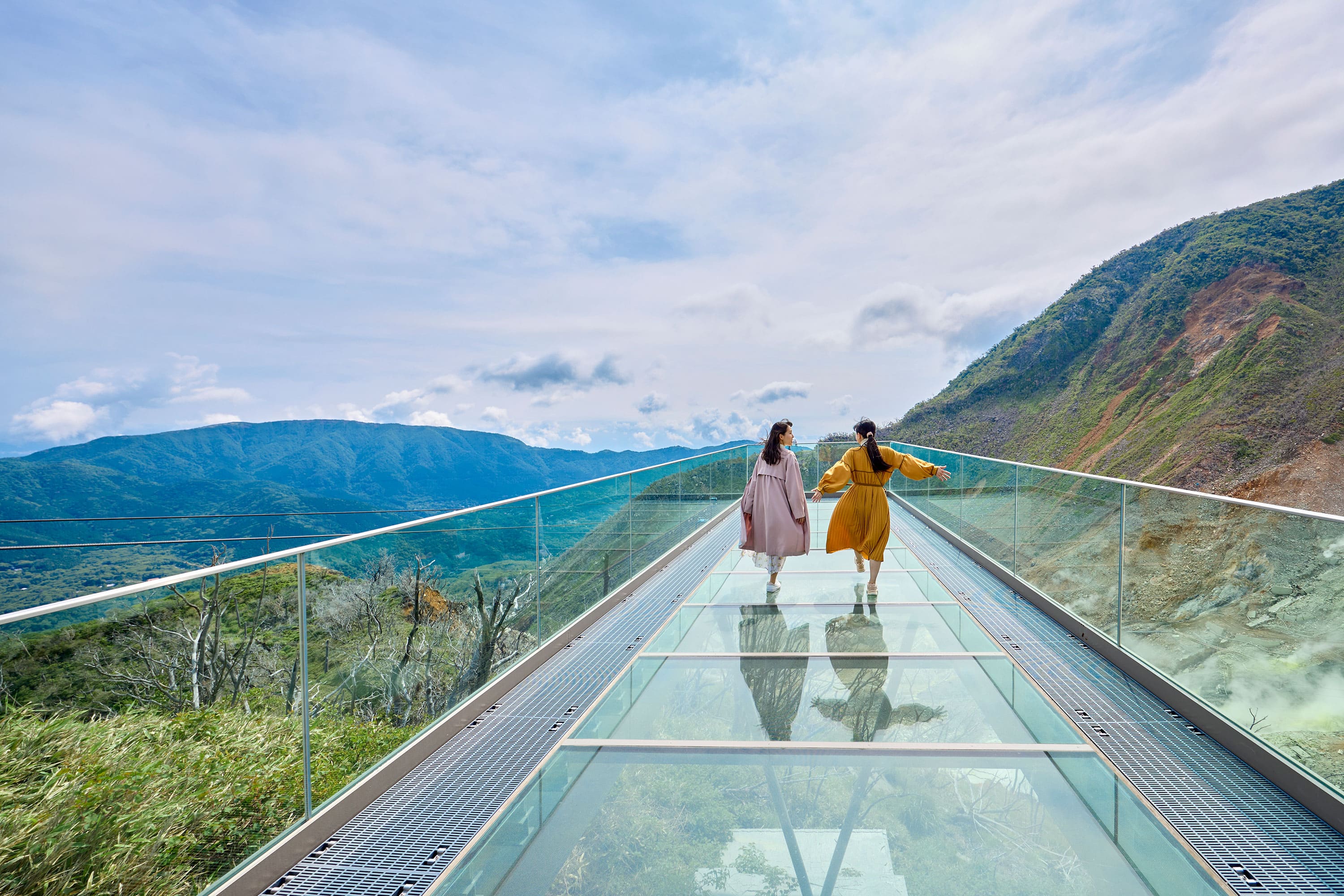
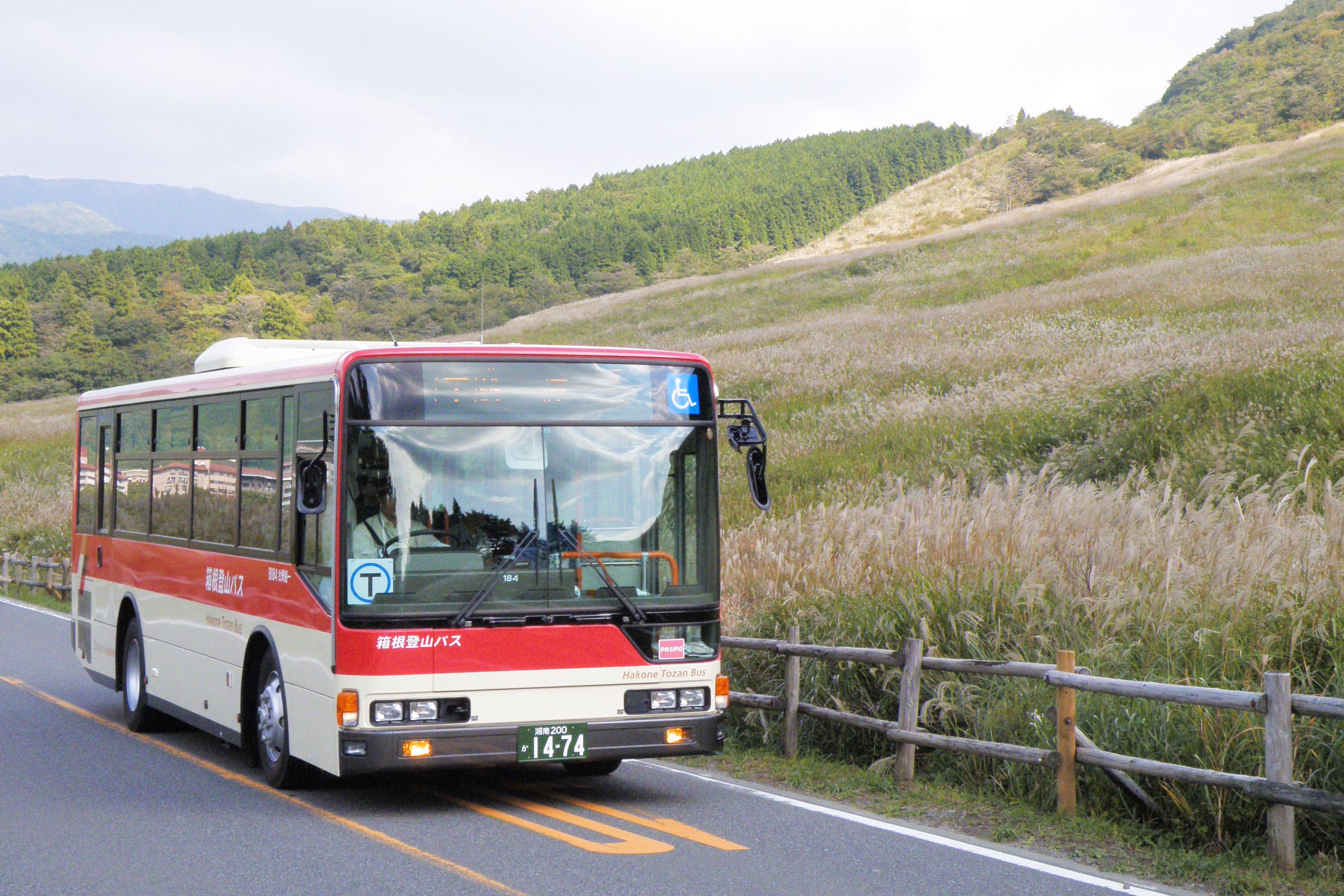
Hakone is where Kanagawa becomes slow and restorative. The Hakone Tozan Railway has been carrying visitors into the mountains since 1919, and the area is famous for onsen, ryokan, and views of Mount Fuji on clear days. My tip: stay one night if you can. A day trip is fine, but an evening in a tatami room changes the whole experience.
What to do in Hakone
Ride the ropeway, cruise on Lake Ashi, and visit the Hakone Open-Air Museum, which opened in 1969 and has more than 100 outdoor sculptures. Oh, and almost forgot: Hakone is one of the best places to hear travel Japanese in real context, especially words like yado, yu, and kaiseki. If you’ve only studied textbook phrases, this is where they start to feel useful. Classic Japan, isn’t it?
4. Kanagawa is a dream for Japan learners too
Imagine a narrow alley in Tokyo. Now swap the pressure for a calmer pace, and you’re close to what travel feels like in parts of Kanagawa. Station signs, restaurant menus, and shrine notices all give you bite-sized reading practice, and that’s a huge win if you’re still building confidence. You won’t need advanced grammar to get around, but you will get a lot of real-world exposure.
Here’s the catch: you’ll learn faster if you actually use the words. Order an ice cream and say matcha. Ask for water and try mizu. Buy a train ticket and notice eki, kaisatsu, and norikae. Small moments, big payoff. Pro tip: keep a notes app list of every new word you spot during the trip. Sounds good, right?
5. The food scene is worth the trip alone
Yokohama ramen is the obvious headline, but Kanagawa’s food culture goes further than that. The prefecture’s port history brought in Western-style dishes early, so you’ll find nostalgia-loaded cafés, curry rice, and neat little bakeries beside seafood markets. In Kamakura, Shirasu-don is a local favourite when the catch is fresh, while Hakone is perfect for black eggs from Owakudani, known as kuro-tamago.
Fun fact: many travellers end up liking Kanagawa because it feels practical. You can eat well without hunting for viral spots, and you can match meals to the area instead of chasing trends. Take a walk through Motomachi in Yokohama, then try a local coffee shop, and you’ll get a very different mood from a standard tourist district. See what I mean?
6. It’s easy to combine history, nature, and modern design
That balance is Kanagawa’s real strength. In one prefecture, you can go from the reconstructed fortress setting of Odawara Castle to the futuristic bay area of Yokohama, then up into the mountains of Hakone. Odawara Castle’s current keep was rebuilt in 1960, but the site itself has deep Sengoku-era connections, so history buffs get plenty to chew on.
What I especially like is that you don’t need to choose between old Japan and new Japan. You can have both in the same weekend, and the transport links make the planning surprisingly manageable. If you’re travelling with someone who wants temples while you want city lights, Kanagawa solves the argument. Convinced yet?
7. The transport network makes day trips painless
Kanagawa is one of those places where trains do the heavy lifting for you. JR lines, Odakyu, Keikyu, and the Enoden all connect the main sights with very little fuss. From Tokyo Station to Yokohama, the ride takes about 25 minutes on the JR Tokaido Line. From Shinjuku to Hakone-Yumoto, Odakyu services can get you there in roughly 85 to 100 minutes, depending on the train.
Here's the catch: the area looks spread out on a map, but in practice it’s very doable. If you plan one base and two or three excursions, you’ll save time and still feel like you’ve travelled widely. That makes Kanagawa ideal for first-timers who want to see a lot without constantly packing and unpacking. Sounds good, right?

8. Festivals and local culture add extra depth
Kanagawa isn’t all postcard scenery. It also has local 祭り (matsuri, festival), street food, and seasonal events that show how people actually live here. In Yokohama, the port city atmosphere means international influences show up in architecture and events, while Kamakura and Hakone keep older traditions very visible. Oh, and almost forgot: the Kanagawa Prefectural Museum of Cultural History in Yokohama is a solid stop if you want context before wandering around.
On a related note, this is where Japanese vocabulary feels less abstract. Words like matsuri, shogatsu, and tanabata pop up in signs and event posters, and suddenly your study lists look useful. If you’re the type who likes travel with context, Kanagawa keeps rewarding that curiosity. Classic Japan, isn’t it?
9. You can build a flexible itinerary for any season
Spring brings 桜 (sakura, cherry blossom) around Tsurugaoka Hachimangu and the riverside parks of Yokohama. Summer is for seaside walks and night views, autumn gives you Hakone’s colour changes, and winter makes onsen feel even better. That seasonal flexibility is a big reason Kanagawa works so well for repeat trips. You’re not locked into one “best” month.
My tip: if you only have three days, split them like this: one day for Yokohama, one for Kamakura, one for Hakone. If you have more time, add Odawara or Enoshima. This is my absolute hidden gem! Enoshima has shrines, coastal paths, and a very local summer vibe that too many visitors skip. Highly recommended:
10. Kanagawa feels real, not packaged
Here’s the part I like most: Kanagawa still feels lived-in. Office workers are commuting, kids are heading to school, and local neighbourhoods sit just a few stops from major sights. That makes travel feel less staged and more human. For Japan fans, that’s often the sweet spot.
If you’re building your Japanese listening skills, this is where casual speech and practical vocabulary appear naturally. You’ll hear polite forms in shops, everyday shortcuts on trains, and plenty of local place names that sharpen your reading. If you want a prefecture that gives you culture, convenience, and language practice in one go, Kanagawa is a very smart choice. See what I mean?
In pictures


Frequently Asked Questions
How many days do you need for Kanagawa?
Three days is a good start. That gives you time for Yokohama, Kamakura, and Hakone without rushing.
Is Kanagawa good for first-time visitors to Japan?
Yes. It is easy to reach from Tokyo, well connected by train, and full of major sights.
Can Japanese learners benefit from visiting Kanagawa?
Absolutely. You will see useful everyday vocabulary in stations, shops, shrines, and menus.


