
And that’s what makes Okayama fun for Japan fans and language learners alike, because you’re not just chasing a story, you’re learning how legends, place names, and local identity all get woven together. Come hang out here~
Momotaro Legend in Okayama: why the peach boy still matters
No joke: if you spend even a little time in Okayama, Momotaro starts popping up everywhere. He’s on signs, in souvenirs, in station art, and in the way local people talk about their city, because this is the place most strongly linked with the famous folktale of the peach-born boy who fought 鬼 (oni, ogre; demon).
Take Okayama Station, for instance. The area around it leans hard into the story, with Momotaro-themed decorations and the kind of easy, practical branding Japan does so well, where a tale becomes part of the city’s daily rhythm. Hand on heart: I love that about Japan. A legend doesn’t just sit in a book here, it turns into a walking route, a mascot, a snack, a memory. See what I mean?
For Japanese learners, this is also a really nice little culture lesson. You’ll hear momotaro (peach boy), oni (ogre or demon), and 桃 (momo, peach) (peach), simple words, but they carry a lot of weight once you know the story. Basically, learning the vocabulary gives the legend more shape, and the legend gives the vocabulary a home.
Where to follow Momotaro in Okayama city
Here’s the thing: you don’t need a guided tour to feel the Momotaro connection. Start at Okayama Station and wander towards the city centre, and you’ll quickly notice how thoroughly the story is embedded in the place. There are statues, peach motifs, and references that make the city feel like it’s quietly inviting you to follow the trail.
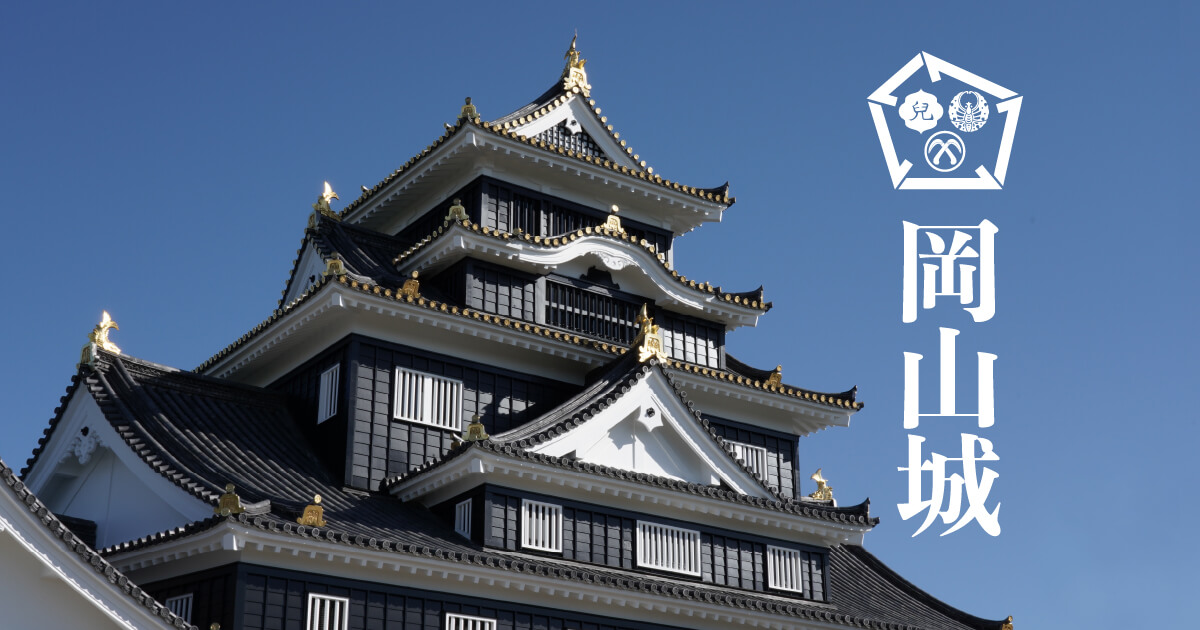
One of the best-known spots is Okayama Korakuen, one of Japan’s celebrated gardens, originally created in 1700 by the Ikeda clan. It’s not a Momotaro site in the strict sense, but it sits right in the wider world of Okayama sightseeing, and that matters because legends often travel through context, not just direct signage. Speaking of which, Okayama Castle is nearby too, rebuilt in 1966 after the original castle was destroyed during the war, and the black exterior gives the whole area a strong, almost storybook contrast against the peach-soft branding of Momotaro.
And if you’re the kind of traveller who likes hidden details, keep an eye out for small references in shops and station spaces. I’ve always thought that’s where Japan gets especially good, those lesser-known touches that reward patience. Not flashy, not loud. Just quietly there, waiting for someone who notices. Convinced yet?
The folktale in a nutshell
Basically, the classic story says a child is found inside a peach, raised by an old couple, and later sets out to defeat oni with the help of a dog, a monkey, and a pheasant. Simple? Sure. But it’s also packed with the kind of symbols Japanese stories love: luck, courage, teamwork, and the idea that a modest beginning can lead to something big. Wild, isn’t it?
What I especially like is how flexible the tale is. It’s old, but it doesn’t feel frozen. Different regions, schools, and local groups keep retelling it in ways that make sense for them, and Okayama has become the strongest real-world stage for that process.
Momotaro folklore, local pride, and the railway connection
Oh, almost forgot: Okayama’s Momotaro image isn’t just about tourism, it’s also about identity. The city has leaned into the tale for decades, and you can see that in public design, festival references, and even transport links. At Okayama Station, the role of the story is so established that it feels less like a gimmick and more like a shared shorthand. Not bad, right?
Take the local food angle, too. Peach products are a big part of Okayama’s branding, and the prefecture is known nationwide for white peaches and muscat grapes. That peach connection naturally feeds the Momotaro image, because momo isn’t just a story element here, it’s a real agricultural symbol. When a place already grows something that fits the legend, the storytelling just locks into place.
And speaking of which, the rail side makes the whole thing even more approachable. If you arrive by train, the story starts before you’ve even left the station area, which is exactly the kind of low-effort, high-reward travel I love. You don’t have to chase some remote mountain trail to get the feeling. Sometimes it’s enough to step outside, look around, and let the city introduce itself. Simply brilliant.
How to enjoy the Momotaro trail as a Japan learner
Imagine a narrow alley in Tokyo. Now replace the city chaos with Okayama’s calmer pace, and you’ve got a pretty good mood for this kind of trip. Here’s my tip: read the Momotaro story in romaji or very simple Japanese before you go, then see how many parts you can spot in real life. Even a few words, like momo, oni, and 黍 (kibi, millet) if you’re trying local snacks such as 黍団子 (kibi dango, millet dumpling), make the visit feel more active.
That’s the lovely part for learners, actually. You’re not memorising vocabulary in a vacuum, you’re connecting it to places, objects, and little scenes, asking questions, meeting people, trying things, gaining experiences, you know, living. If you’re studying Japanese seriously, this kind of travel is gold because it gives you context you’ll remember later. And if you’re just starting out, even better. The simpler the words, the quicker the story sticks.
Also, don’t skip the local sweets. Kibi dango is the classic snack associated with Momotaro, and while the origin story is a bit more complicated than a single bite of 餅 (mochi, rice cake)-like candy, that’s part of the fun. Food, folklore, and place identity all get mixed together here, and I think that’s one of the nicest ways to learn Japan. Through your stomach first, your notes later (in the best ways).
And if you have time, pair Okayama with a wider Japan route that includes historical towns or castle areas. The city works beautifully as a stop in a slower trip, the kind where you don’t rush from landmark to landmark, because the small details are the whole point. You'll eventually find your own place in Japan... or at least your own favourite peach-themed detour.
Frequently Asked Questions
Why is Momotaro linked to Okayama?
Okayama has long promoted itself as the home of the Momotaro story, using the legend in local branding, public art, and tourism.
What can I see related to Momotaro in Okayama?
You can spot themed statues, station decorations, peach references, and story-related souvenirs around Okayama Station and the city centre.
Is Momotaro useful for Japanese learners?
Yes. The story uses simple, memorable vocabulary and gives you an easy way to connect language with culture and place.


