
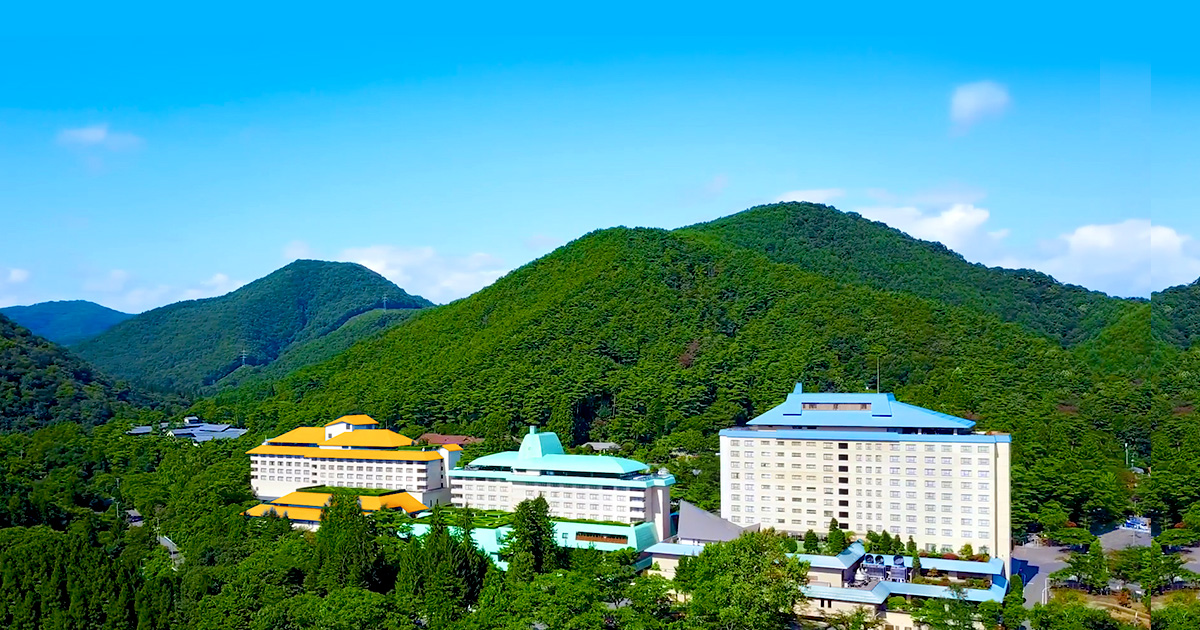
Set in Hanamaki Onsen, Iwate, the exhibition brings together regional 盆栽 (bonsai, miniature tree art) culture, local hospitality, and a very Japanese sense of patience. Trust me, even if you only know a few words like bonsai, ryokan, or 名品 (meihin, masterpiece; excellent example), there’s plenty here to enjoy.
Japanese bonsai in Iwate gets the spotlight
Did you know that some of the best bonsai in Japan aren’t only found in the big cities? This year, Iwate is hosting a serious showcase of regional skill, and the setting matters just as much as the trees. The 47th Japan Bonsai Association Tohoku Meihin Bonsai Exhibition is being held at Hanamaki Onsen, one of the best-known hot spring areas in the Tohoku region.
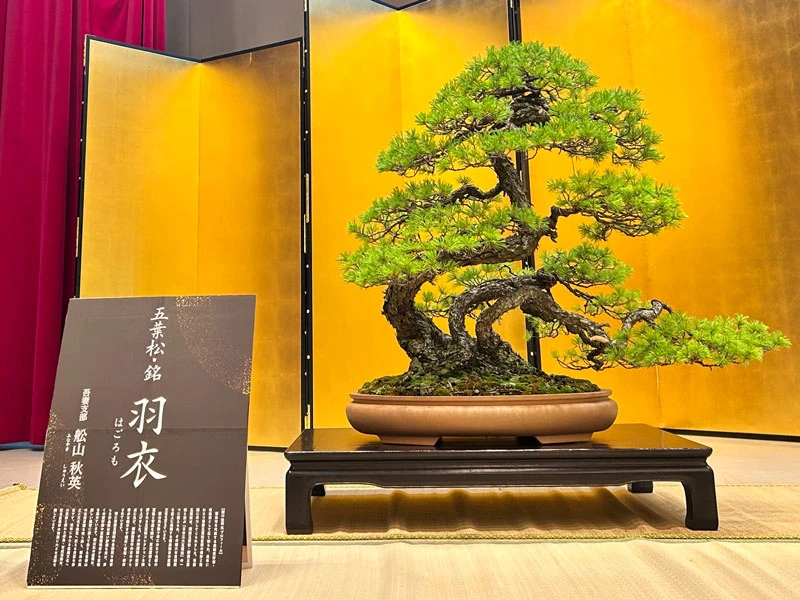
Basically, this isn’t a casual plant fair. It’s a curated exhibition of top-class bonsai, tied to one of Japan's most respected cultural crafts. For Japan fans, that makes it a great window into how art, discipline, and local pride come together. Sounds good, right?
On a related note, the word bonsai often gets reduced to “tiny trees”, but the real culture goes much deeper. A bonsai is shaped over years, sometimes over generations, with careful pruning, wiring, pot choice, and seasonal care. That slow process is part of why bonsai is often treated as Japanese high culture, not just gardening.
The 47th Japan Bonsai Association exhibition in Hanamaki Onsen
What most people don't know is that the number 47 here is a real marker of continuity. The Japan Bonsai Association has supported bonsai culture for decades, and a 47th edition tells you this event has real staying power. The Tohoku Meihin Bonsai Exhibition is one of the places where that tradition is shown at a regional level, with carefully selected trees that represent the skill of growers in the northeast of Japan.
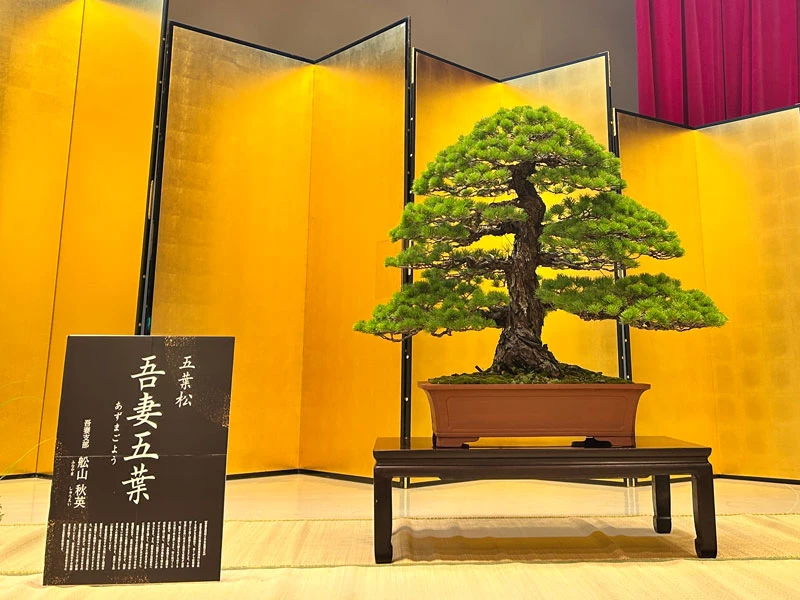
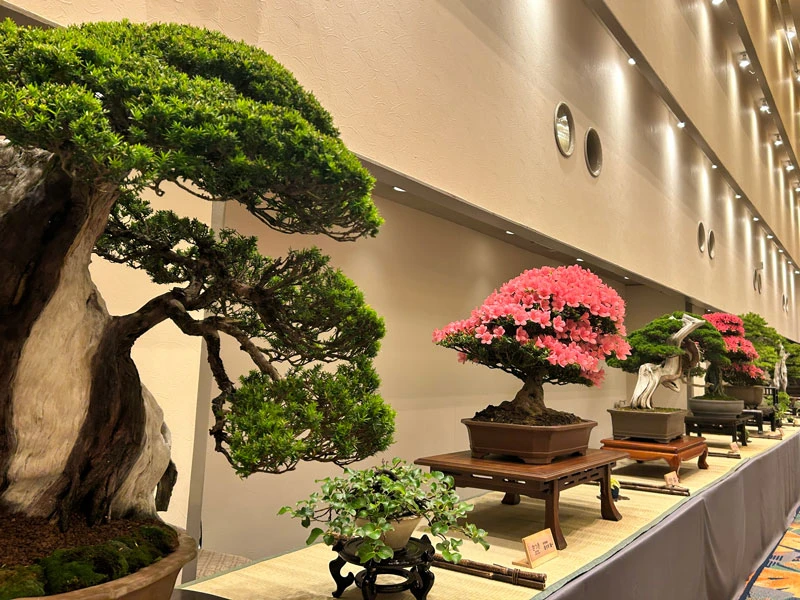
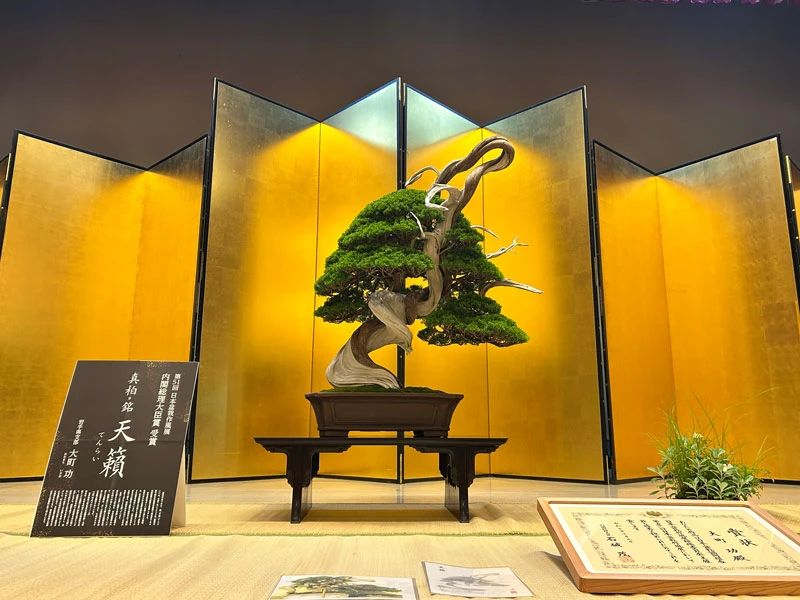
Here's the catch: exhibitions like this are not only about beauty, they’re about standards. The word meihin means a masterpiece or excellent example, so the title itself signals quality. Visitors can expect trees that show strong trunk movement, balanced branch structure, refined pots, and seasonal presentation that feels intentional rather than decorative.
Speaking of which, that level of detail is exactly why bonsai is such a good topic for Japanese learners. If you hear terms like 侘び寂び (wabi-sabi, beauty in imperfection), 成形 (seikei, shaping; forming), or 佳景 (kakei, beautiful scenery) in a bonsai context, they point to ideas of form, restraint, and harmony. Even if you don't use those words every day, knowing them makes Japanese craft media much easier to understand. Convinced yet?
Why Iwate is a smart place for this exhibition
Let me show you why Hanamaki Onsen works so well as a venue. Iwate has a strong reputation for landscapes, seasonal change, and quieter tourism, so it fits bonsai culture perfectly. Bonsai is all about controlled nature, and a hot spring town with ryokan, gardens, and a slower pace creates the right mood.
What I especially like is that this kind of event helps move attention beyond Tokyo and Kyoto. Tohoku has its own cultural depth, and when a major exhibition lands in Hanamaki Onsen, it gives visitors a reason to explore local craft alongside local food and hospitality. Highly recommended if you enjoy travel that feels grounded rather than flashy.
Bonsai as Japanese high culture, not just a hobby
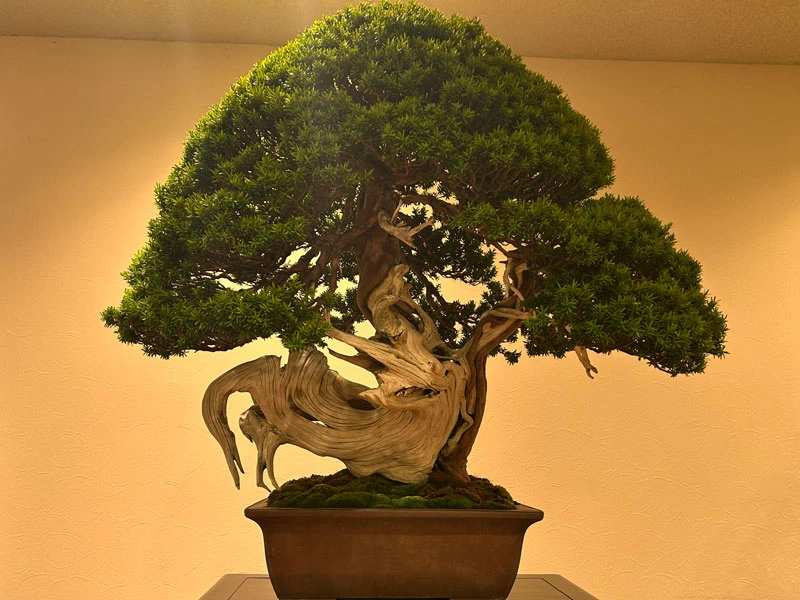
Picture this: a pine tree no taller than a desk, but trained to suggest age, weather, and distance. That’s the quiet power of bonsai. It works because the tree is never just an object, it’s a carefully maintained relationship between nature and human hands.
On the flip side, bonsai can look almost intimidating if you’re new to it. The price of a serious tree, the years of care, and the level of technical knowledge can be surprising. But that’s exactly why exhibitions matter, they show the public what professional or near-professional bonsai culture looks like in real life.
Here's the deal: bonsai also connects nicely to Japanese language learning. Words such as bonsai, 鉢 (hachi, pot), hada, and nebari come up often in articles, labels, and exhibition notes. If you are building vocabulary through cultural interests, this is a perfect area to study because the language is precise, and the subject is visual. Not bad, right?
My tip is this: if you ever visit a bonsai exhibition, don't rush from tree to tree. Spend time looking at the base, the branch line, the pot, and the negative space around the tree. Those details tell you more than a quick photo ever will. See what I mean?
Why Japan fans should keep an eye on Tohoku craft events
Japan's regional events often reveal more about the country than the famous tourist stops do. A bonsai exhibition in Iwate is a good example, because it brings together local place identity, long-term craftsmanship, and a national cultural tradition in one setting.
On a related note, Tohoku is especially interesting for travellers who want to see Japan beyond the standard checklist. From hot springs to local festivals, and from farming culture to refined craft, the region has a strong sense of place. A bonsai exhibition at Hanamaki Onsen fits that pattern neatly, and it gives Japanese fans a concrete reason to pay attention to Iwate.
For learners, this is also a reminder that culture articles are great language practice. You get real names, real places, and real context, not textbook fragments. If you can read an exhibition report and pick out terms like meihin and onsen, you're already connecting language with lived culture. Sounds good, right?
In pictures
Frequently Asked Questions
What is the Japan Bonsai Association?
It is a major organisation that supports and promotes bonsai culture in Japan, including exhibitions and public awareness.
Where is the Tohoku Meihin Bonsai Exhibition held?
It is being held at Hanamaki Onsen in Iwate, in the Tohoku region of Japan.
Why is bonsai considered high culture?
Because it combines art, patience, technical skill, and deep aesthetic traditions over many years of care.


