
If you like shrines with real local character, not just postcard beauty, this one delivers. It’s also a great stop if you’re learning Japanese, because the place is packed with words you’ll hear again and again in shrine culture.
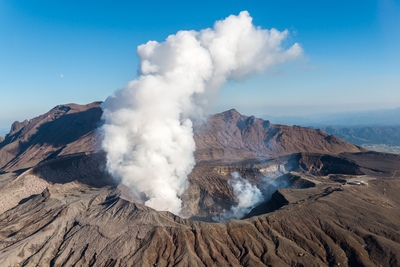
Ever wondered why some shrines feel less like sightseeing spots and more like living parts of a town? Aso Shrine in Aso, Kumamoto, is exactly that kind of place. It sits near the caldera of Mount Aso, one of Japan’s most famous volcanic areas, and the setting gives the shrine its special atmosphere right away, quiet but never empty, old but still active.
What makes Aso Shrine stand out isn't just age. The shrine is said to have a history of around 2,300 years, and it’s one of the most important shrines in the Aso region. The current main buildings were rebuilt after a major fire in 2016, so what you see now is both traditional and very recent in a practical sense. Quite something, isn’t it?
Aso Shrine and the power of place
Let me show you why people keep coming here even if they’ve already seen bigger names in Kyoto or Nara. Aso Shrine is connected to the local Aso clan, and its role has long been tied to the lives of people living around Mount Aso. That matters, because this isn't a shrine placed on the land by accident; it grew out of the land itself.
Compared to back home, where sacred sites might sit apart from nature, here the volcano, the fields, and the shrine feel like one system. No wonder, because the Aso region has depended on the mountain for water, soil, grazing land, and a sense of identity for centuries. The religious layer and the everyday layer overlap completely.
The Romon Gate and what to look for
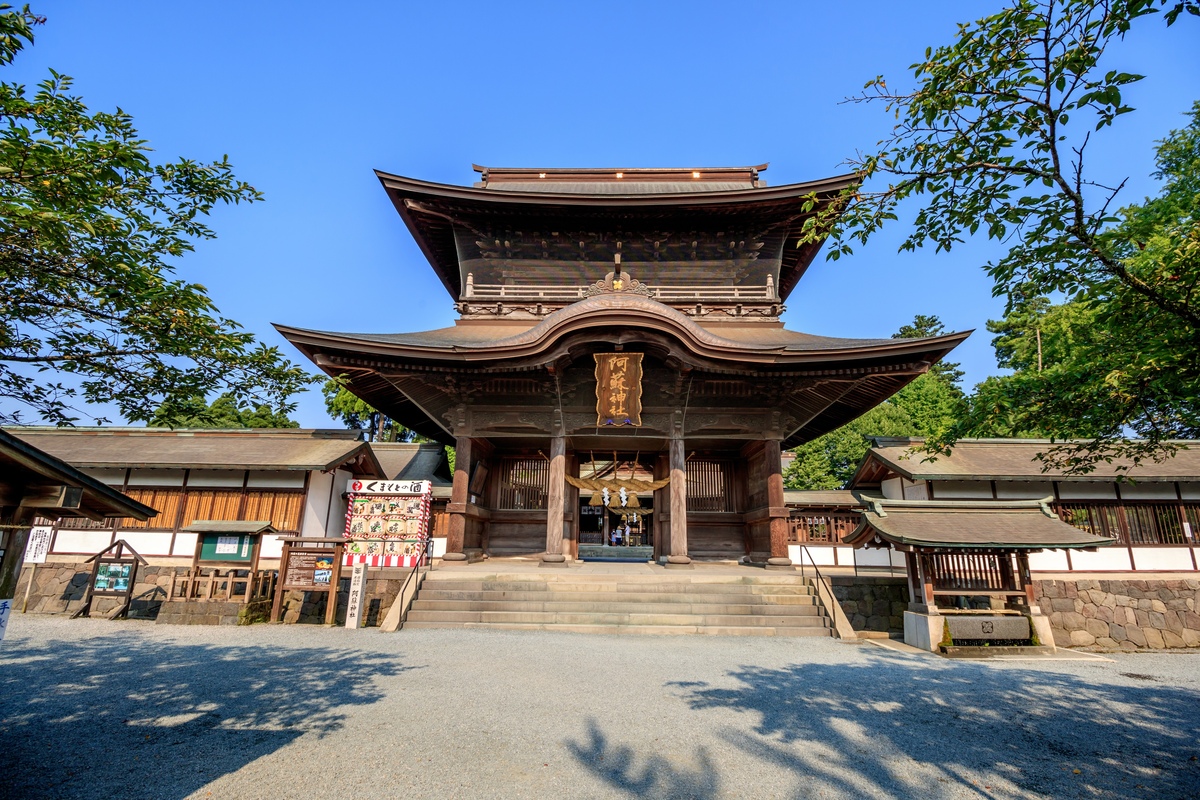
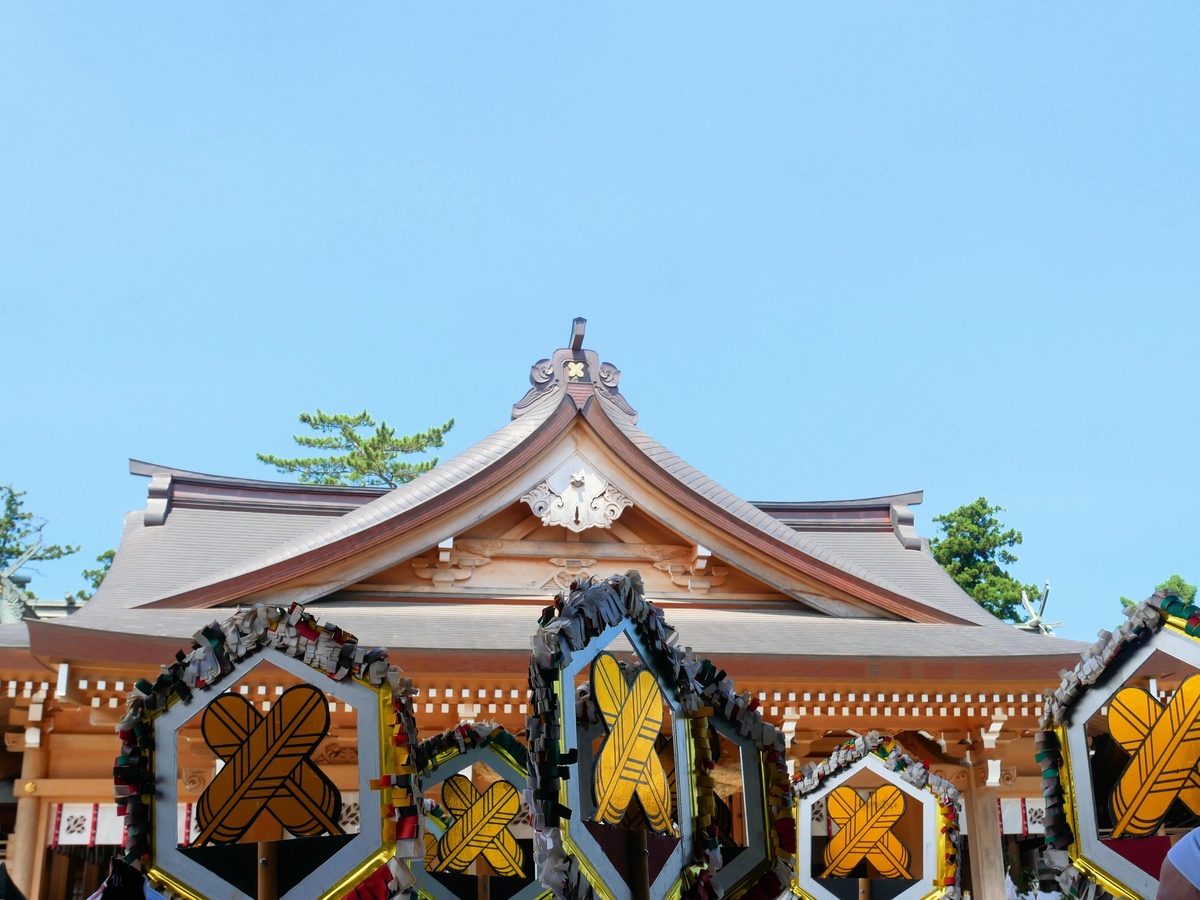
The 楼門 (Romon, two-storey shrine gate) Gate is one of the first things people notice. It’s a two-storey shrine gate, and at Aso Shrine it gives the whole approach some real visual weight. The gate was reconstructed after the 2016 earthquake damage, and today it acts like a calm but powerful threshold between ordinary streets and shrine space.
Here's the catch: a lot of visitors rush straight through because they want the main hall photo, but the Romon gate deserves time. Stand back, look at the rooflines, then walk closer and notice how the gate frames the shrine grounds. If you're learning Japanese, this is a good place to pick up practical words like 鳥居 (torii, shrine gate), romon, 拝殿 (haiden, worship hall), and 本殿 (honden, main sanctuary). You’ll hear them often, and seeing them in context helps them stick. See what I mean?
The best part: the walk from the gate to the inner grounds feels short, but it changes your mood fast. You go from traffic and shops to gravel, wood, and open sky. Not bad, right?
Volcano worship at Mount Aso
On the flip side, Aso Shrine isn't only about architecture. Its deeper meaning comes from volcano worship, or 火山信仰 (kazan shinko), the belief that volcanic mountains are powerful sacred presences rather than just dangerous terrain. Mount Aso has erupted many times over the centuries, so people here have always lived with both fear and gratitude.
Here's the deal: volcano worship in Japan is not about worshipping destruction. It’s about respect, survival, and balance. Fire, smoke, ash, and fertile land all come from the same mountain, and Aso Shrine reflects that complicated relationship. The shrine's history and rituals are tied to the local god, Takeiwatatsu no Mikoto, who is connected to the region's foundation stories.
And it gets better: this religious context helps explain why the shrine feels different from a place built only for tourists. You’re not just looking at a building, you’re standing in a landscape shaped by memory, disaster, and devotion. Insider tip: if the weather is clear, spend time looking beyond the shrine grounds toward the caldera area, because the mountain context is half the experience.
A walking guide for first-time visitors
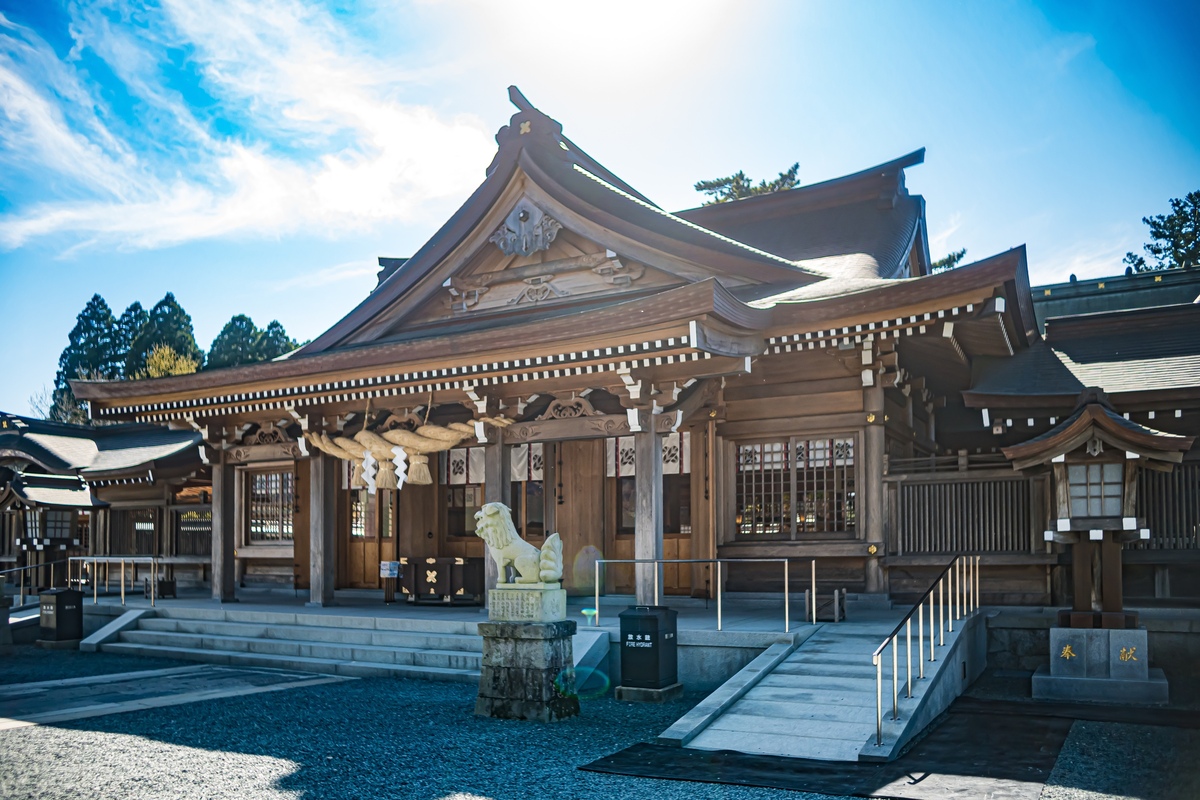
Know that feeling when a place looks small on the map but turns out to be much richer on foot? Aso Shrine works that way. Start at the main approach, pass through the Romon Gate, and then slow down near the purification area and main worship hall. The whole visit can be done in under an hour, but if you like photography or shrine details, give it longer.
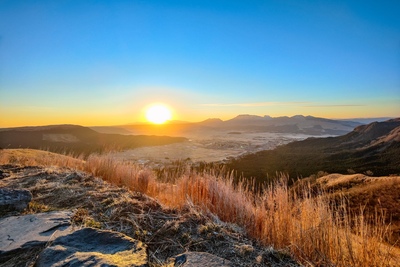
My tip: come in the morning on a weekday if you can. You’ll get softer light, fewer people, and more room to notice small details like 絵馬 (ema, votive plaque) plaques, offertory boxes, and the texture of the cedar wood. If you're comfortable with Japanese, you can also listen for words like oharai, norito, and omamori at the shrine office. They pop up in lots of places, so this is useful vocabulary practice, not just decoration.
After the main shrine, keep walking around the immediate area. The surrounding streets are easy to explore, and the shrine fits neatly into a broader Aso trip that can include local food, viewpoints, and volcanic scenery. Compared with more formal temple districts, this area feels open and easy to handle at your own pace. Wait, there's more.
The best part for Japan fans is how many layers you can read into a single visit. There’s architecture, local faith, earthquake recovery, and the ever-present shape of Mount Aso nearby. That combination makes the shrine memorable long after you leave. My verdict: Aso Shrine is worth the detour, especially if you want a place where religion and landscape still speak to each other clearly.
In pictures
Frequently Asked Questions
How long do you need at Aso Shrine?
Most visitors spend 30 to 60 minutes there, but you can stay longer if you want to explore the grounds and nearby area.
What is the Romon Gate?
It is a two-storey gate that marks the entrance to the shrine grounds and is one of the most striking features of the site.
Why is volcano worship connected to this shrine?
The shrine is part of a region shaped by Mount Aso, so local belief developed around respect for the volcano’s power and benefits.


