
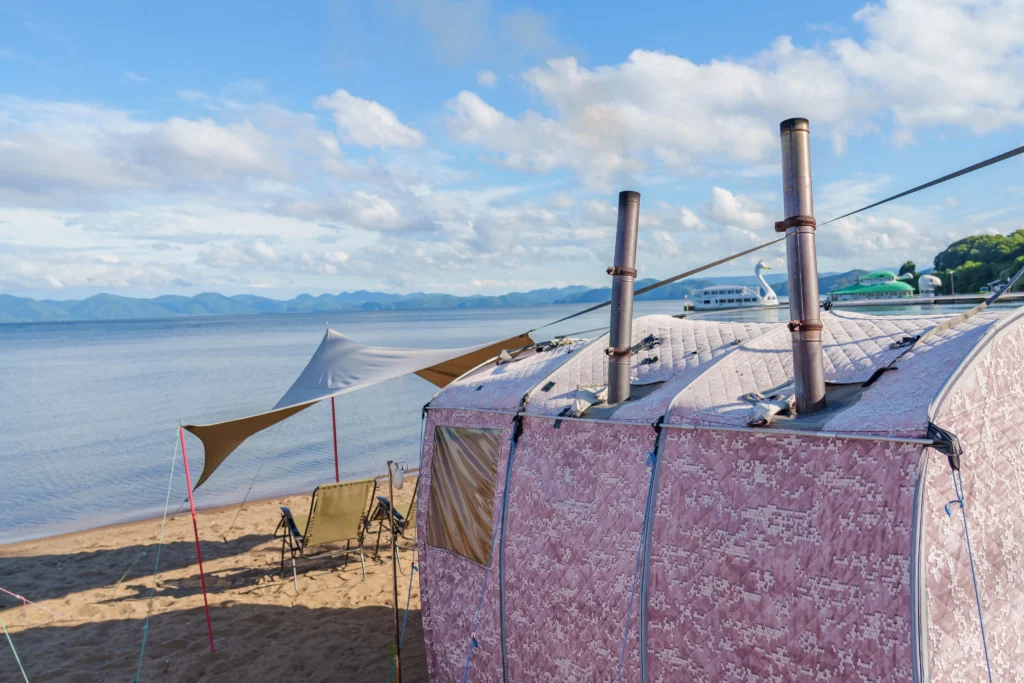
What I especially like is how quickly the mood changes too. One minute you’re in the city, the next you’re breathing slower, eating well, and remembering what restorative travel actually feels like.



Hakone-Fuji Region is one of those places that reminds you Japan doesn’t always need to be fast, loud, or packed with neon to feel memorable. Less than two hours from Tokyo, it gives you hot springs, mountain air, and some of the clearest Mount Fuji views you can realistically plan for on a short trip.
Guess what? You don’t need a week off to feel properly reset here. A day trip works, a one-night stay works even better, and if you build your route well, you’ll come home feeling like you’ve had a real break rather than just another outing. From my experience...
Why Hakone Works So Well for a Restorative Trip
What many overlook is that Hakone isn’t just a scenic stop on the way to Fuji, it’s a full-on change of rhythm. The town sits in Kanagawa Prefecture, inside the Fuji-Hakone-Izu National Park, and that location matters because the whole area feels shaped by mountains, water, and long-distance views rather than city sprawl.
The easiest mental shift starts with the train ride. From Shinjuku, the Odakyu romancecar gets you to Hakone-Yumoto in about 85 minutes on the fastest services, and even with transfers you’re still usually under two hours from central Tokyo. That short distance is exactly why Hakone has become such a classic for restorative travel, the kind of trip where you can leave after breakfast and be soaking in an onsen by lunch. Personally...
Fun fact: Hakone has been a travel stop for centuries. During the Edo period, it was part of the old Tokaido route, and the Hakone Checkpoint helped control movement between Edo and the rest of Japan. That old sense of passage still lingers, only now people come for a slower kind of arrival.
Hakone Highlights in Fuji-Hakone-Izu National Park
Let’s be honest: the appeal here isn’t one single landmark, it’s the mix. In one compact region you can ride a ropeway, cruise across a lake, visit a museum, and end the day in an onsen town without feeling rushed.
Lake Ashi, ropeways, and Fuji views
Lake Ashi is the postcard scene, especially when Mount Fuji shows itself. You’ll see the mountain most often in the colder months, and the best views are usually in the early morning when the air is clearer. The Hakone Ropeway links Sounzan, Owakudani, and Togendai, and the ride gives you a dramatic look over the volcanic landscape.



Owakudani is worth a stop if you like geology with your scenery. This active volcanic zone was formed by the eruption of Mount Hakone around 3,000 years ago, and you can still smell the sulfur in the air. Try the black eggs, 黒玉子 (kurotamago), boiled in the hot spring waters, and people say eating one adds seven years to your life. Not bad, right?
Museums, art, and quiet paths
What many visitors don’t expect is how strong the art side is. The Hakone Open-Air Museum opened in 1969 and combines sculpture with wide lawns and mountain air, which sounds simple until you’re standing there and realise how well it works. The Pola Museum of Art and the Hakone Venetian Glass Museum give the area another layer, so you’re not limited to hiking and hot springs alone.
On a related note: if you like walking, the old cedar avenue along the historic Tokaido road is one of the most atmospheric stretches in the region. Tall trees, soft light, and very little city noise, it’s the kind of place that makes you lower your voice without thinking. From my experience...
How to Experience Hakone-Fuji Region Like a Japan Fan
Know that feeling when you want a trip to feel relaxing but still want stories to take home? Hakone does that well if you pace it properly. Don’t try to cram every attraction into one day, because the real magic here comes from slowing down between the stops.
My tip: stay in a ryokan if you can. A night in a traditional inn, with 畳 (tatami) mats, a 懐石 (kaiseki, kaiseki; traditional multi-course meal) dinner, and an onsen bath, changes the whole trip from sightseeing to actual recovery. If you’re learning Japanese, this is also a nice chance to practice small, useful words like onsen, 宿 (yado, inn; lodging), and お休み (oyasumi, rest; good night) in a real setting.
Quick detour: transportation around Hakone can be part of the fun. The Hakone Freepass is a popular option because it covers a lot of the local network, including train, bus, ropeway, and lake cruise segments depending on the route. For first-timers, that takes a lot of stress out of planning, and honestly, stress is the one thing you don’t want on a restorative trip.
Oh, almost forgot: if Fuji is your main goal, don’t treat Hakone as a backup. The region often gives you one of the best combinations of access, comfort, and scenery anywhere near Tokyo. Even when the mountain stays hidden behind clouds, the hot springs, forest roads, and lake views still make the trip feel complete. Personally...
Frequently Asked Questions
How far is Hakone from Tokyo?
In many cases, you can reach Hakone in under two hours from central Tokyo, depending on your route and transfers.
Is Hakone good for a day trip?
Yes, but an overnight stay is better if you want to enjoy an onsen, a slow dinner, and an early chance to see Mount Fuji.
What is the best part of Hakone for relaxation?
Many visitors love the ryokan stays, lake views, and hot springs most, especially when they want a calm break from Tokyo.


