
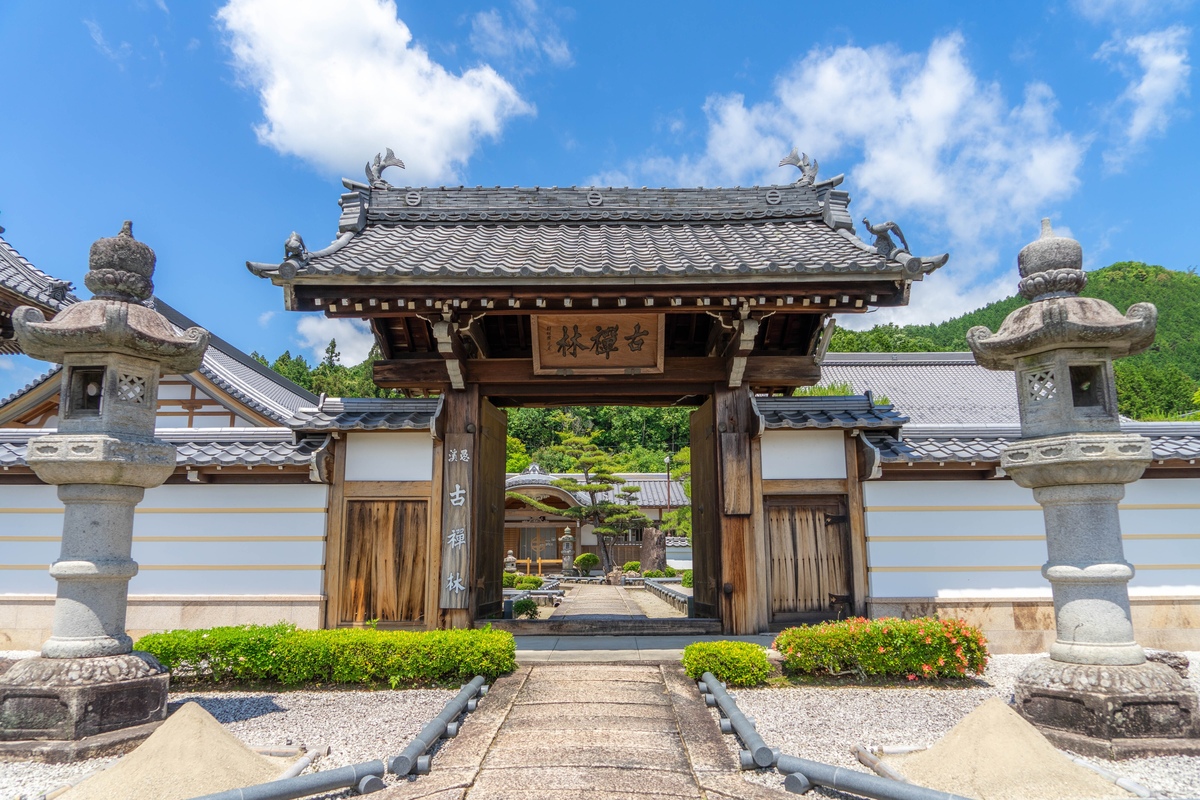
No exaggeration: this is the kind of place that rewards slow travel. You get 臨済 (Rinzai, Rinzai school of Zen) Sect 禅 (Zen, Zen Buddhism), tidy temple grounds, and that deliberate stillness that makes every stone and path feel placed for a reason.
Gukei-ji is the kind of Zen temple that doesn’t shout for attention, and that’s exactly why it works. Officially called Daichisan Gukei-zenji, it sits in Mitake Town, Gifu Prefecture, and it gives you a compact but memorable mix of temple architecture, a rock garden, and a quiet mountain-town setting.
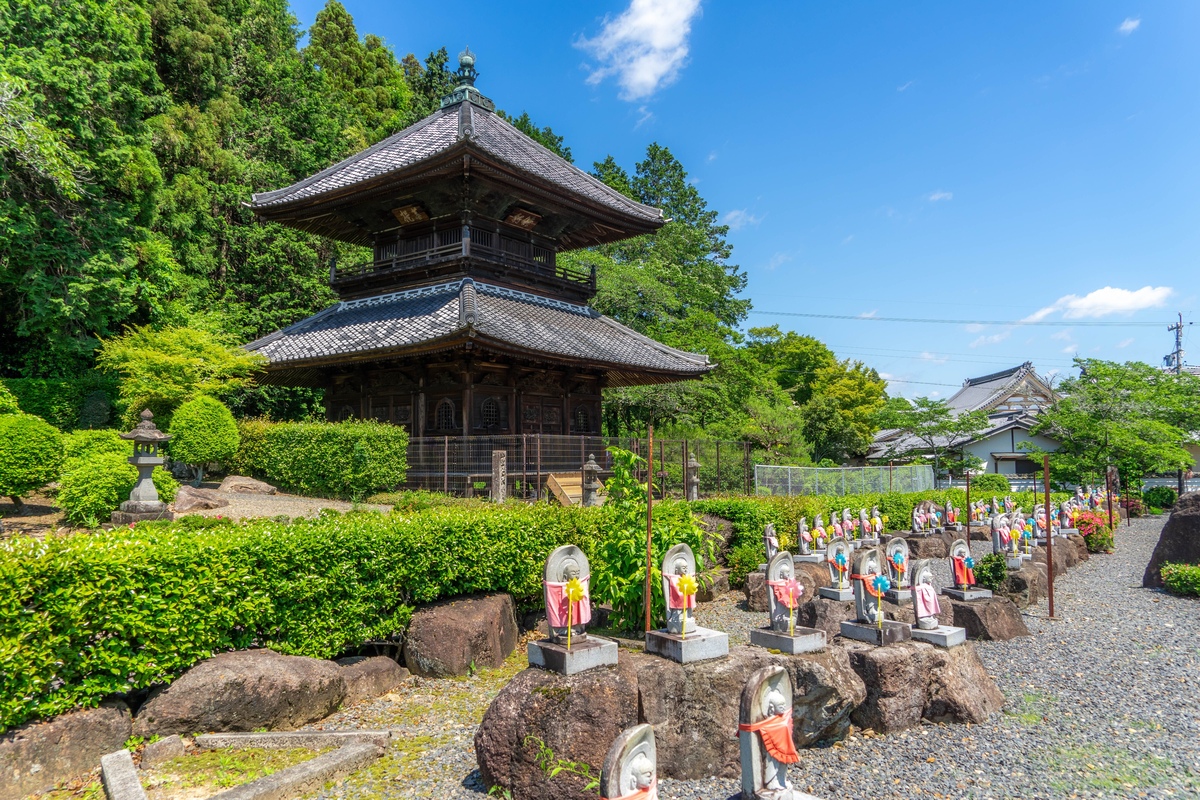
For Japan fans, that combination is gold. You’re not just seeing another temple, you’re seeing how Zen spaces are meant to feel, with restraint, order, and a little space for your own thoughts. While we're at it: if you’ve been learning Japanese, this is a great place to connect words like zen, 庭 (niwa, garden), and 寺 (tera, temple) with something real, not just a textbook photo. Wait, there’s more.
Daichisan Gukei-zenji in Mitake Town
What most people don't know: Gukei-ji is in Mitake Town, in the southern part of Gifu, an area better known for nature, rivers, and slower rhythms than for packed sightseeing routes. That’s a big part of its appeal. You can reach a place like this and feel the pace drop almost immediately.
The temple name itself tells a story. Daichi-san is the mountain name, while Gukei-zenji points to the temple’s formal identity, and that style of naming is very common in Japan. If you’re learning Japanese place and temple vocabulary, this is a nice reminder that a single temple often has several layers of naming, each with its own context. Trust me on this one: once you start noticing that pattern, temple visits become much easier to read.
Gukei-ji doesn’t need giant gates or crowded souvenir streets to make its point. Its charm is in the atmosphere, the kind that makes you slow down without trying. See what I mean?
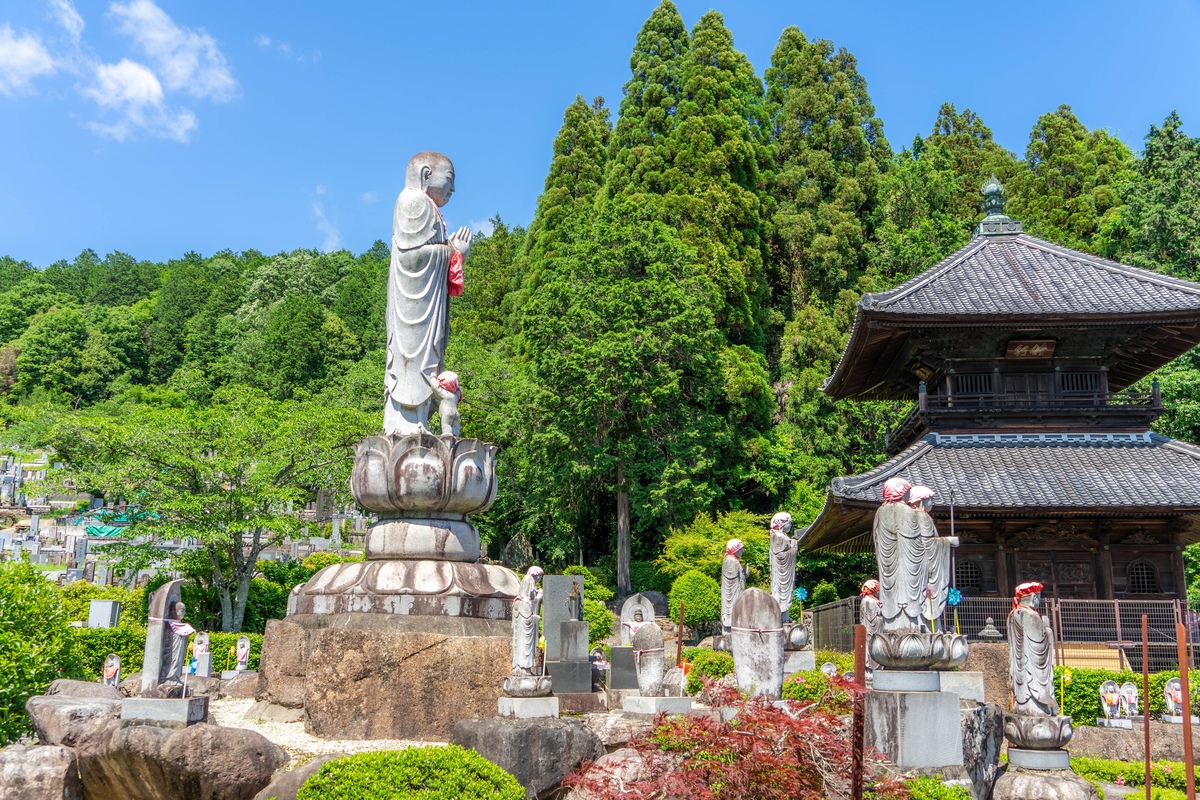
Rinzai Sect Zen and the temple mood
Unlike what we're used to in casual sightseeing, Zen temples are often as much about restraint as display. Gukei-ji belongs to the Rinzai Sect, one of the major Zen schools in Japan, historically associated with discipline, direct insight, and strong ties to warrior culture.
That matters because the feeling of a Rinzai temple is often different from a more decorative or purely tourist-friendly site. You’re likely to notice clean lines, open space, and a layout that encourages attention rather than distraction. No joke: even before you understand the doctrine, the architecture does a lot of the teaching.
For language learners, “Rinzai” is worth remembering, along with words like 座禅 (zazen) for seated meditation and 枯山水 (karesansui) for dry landscape gardens. Those terms come up often when people talk about Zen culture, and Gukei-ji gives you a real-world anchor for them. That’s why temple visits can be such good study material. Personally...
Why the Rinzai connection matters
Take Gukei-ji for instance. The temple’s atmosphere fits the Rinzai tradition neatly, because the focus is not on ornament for its own sake, but on clarity and form. Sounds weird, but it's true: a quiet stone arrangement can feel more expressive than a room full of decoration.
If you’ve visited other Zen temples in Japan, you’ll know the difference right away. The mood here leans toward stillness, not spectacle, and that makes the site feel honest. Insider tip: go with enough time to stand still for a few minutes, because the temple really opens up when you stop moving. Wait, there’s more.
The rock garden at Gukei-ji
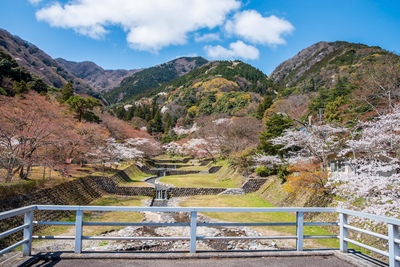
The rock garden is the part that stays with you. In Japanese, a dry landscape garden is often called karesansui, and at Gukei-ji that style gives the temple its visual spine. Stones, gravel, and negative space work together, and the result is simple on the surface but carefully balanced underneath.
What I especially like: rock gardens ask you to look twice. At first, they seem minimal, almost bare. Then the longer you stand there, the more you start reading texture, direction, and spacing, and the whole thing becomes quietly absorbing. That's why a place like this can feel more memorable than a louder tourist stop.
The garden also fits the broader Zen idea that less can say more. If you’re learning Japanese, it’s worth noting how often this shows up in culture, from garden design to tea ceremony to temple architecture. A word like 渋い (shibui), which suggests subtle, restrained beauty, fits the mood here very well.
How to visit Gukei-ji for the best experience
My tip: visit on a weekday morning if you can. You’ll get a better sense of the temple’s calm side, and the rock garden will feel more open and contemplative. Take photos, sure, but don’t rush, because the strongest memory here is the atmosphere itself.
Mitake Town also makes a good base for a slower day in Gifu. If you pair Gukei-ji with a local walk, a riverside stop, or a nearby cafe, the whole outing feels more complete. Here’s the deal: this isn’t a place built around checking boxes, it’s a place built around being present.
That reminds me: some of the best Japan trips are the ones where the main attraction is not a famous landmark, but a quiet temple that teaches you how to look. Gukei-ji does exactly that, and it does it without fuss. Brilliant, really.
If you enjoy these kinds of under-the-radar cultural spots, you might also like checking out more Japan news on jpnerd.com.
Frequently Asked Questions
Where is Gukei-ji located?
Gukei-ji is in Mitake Town, Gifu Prefecture, in central Japan.
What kind of temple is Gukei-ji?
It is a Zen temple connected to the Rinzai Sect.
What is the main highlight at Gukei-ji?
The rock garden is one of the main reasons to visit, along with the temple’s calm atmosphere.


