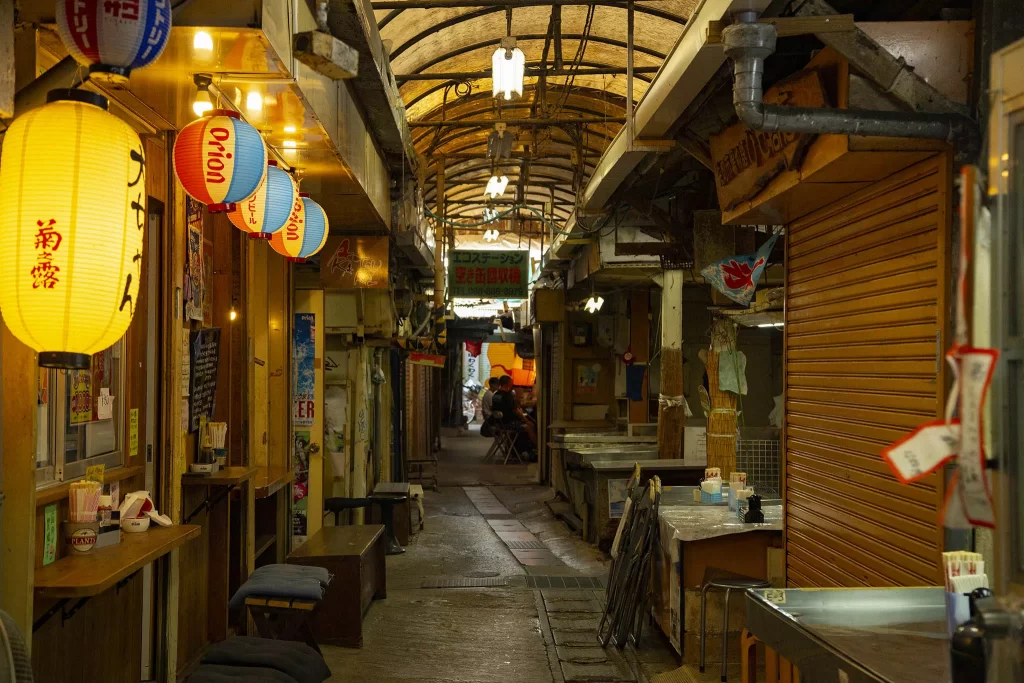
For Japanese learners, it’s also a useful window into modern industry language. You’ll see how words like 弁当 (bento, lunch box), 発酵 (hakko, fermentation), and 農業 (nogyo, agriculture) sit next to startup terms and investment talk.
![Dragon Ball Z: Kakarot [Master Edition]](https://s.pacn.ws/1/p/1eh/dragon-ball-z-kakarot-master-edition-908785.1.jpg?v=t8ja8t&width=400)


THE BENTO BOX DEMODAY 2026 isn’t a general food fair. It’s a business event built around startup pitches, industry networking, and applied food innovation. The focus sits at the meeting point of foodtech, fermentation, and agriculture, which is exactly where a lot of Japan's next food discussions are heading.
A lot of people hear “bento” and think only of lunch boxes. Here, the name works as a programme label too. It suggests something neatly packed, practical, and ready to share. That fits the format well, because demoday events are about showing what a programme has produced, not just talking about ideas in the abstract.
What THE BENTO BOX Demoday 2026 is about
The event is linked to unlocx.tech and is framed around the 2026 demoday for THE BENTO BOX programme. That means participating startups, projects, or teams present what they’ve built after going through the programme structure. In practical terms, this is where you’d expect demos, short presentations, and direct conversations with people from the food and agriculture side of the market.
What most people don’t know is that Japanese food industry events often work best when they’re specific. A broad “innovation” conference can feel vague. A focused demoday around fermentation or farm tech gives you a clearer picture of where the money, research, and pilot projects are going. That’s the real value here.
Let’s be honest: foodtech in Japan isn’t just about flashy app ideas. It often connects to serious operational questions, like labour shortages in agriculture, better use of local ingredients, shelf life, waste reduction, and new ways to bring regional products into wider circulation. A good demoday should show those points with concrete examples, not slogans. Convinced yet?
The Bento Box Program and why it matters
The Bento Box Program appears to be the structure behind the demoday. In startup language, that usually means an accelerator-style setup, with selected teams receiving support, mentoring, and a route towards industry exposure. The value isn’t only funding. It’s access.
Here’s the catch: in Japan, food-related businesses often need more than a clever concept. They need trust, compliance, local relationships, and a clear path to production. A programme like this helps bridge that gap. It can connect a young company to food manufacturers, farmers, fermentation specialists, and distribution partners.
Take fermentation, for instance. Japan already has a deep culture of hakko, from 味噌 (miso, fermented soybean paste) and 醤油 (shoyu, soy sauce) to 納豆 (natto, fermented soybeans) and 甘酒 (amazake, sweet fermented rice drink). That gives foodtech startups a strong foundation, but it also raises the bar. If you work in this space, you’re not inventing from zero. You’re entering a field with long-established expectations about quality, timing, and taste. My tip: when reading about Japanese foodtech, always look for the balance between tradition and process innovation. That balance tells you more than the buzzwords do.
Why Japanese learners should care
If you study Japanese, this kind of event is a useful vocabulary playground. You’ll see terms like bento, hakko, nogyo, sangyo, and startup used in real business context. That’s better than memorising isolated word lists, because the meaning becomes clearer when you see the terms in action.
Basically, food industry coverage gives you a neat mix of everyday language and specialist language. A word like nogyo can mean “agriculture”, but in event coverage it may sit beside words like innovation, regional revitalisation, or sustainability. That brings us to a practical point. If you want to understand Japan beyond travel phrases, this is the kind of language environment worth following. From my experience, it’s one of the better ways to build real reading confidence.
Foodtech, fermentation, and agriculture in Japan
Foodtech in Japan has grown in a very specific direction. It often overlaps with climate pressure, ageing rural communities, and the need to make food systems more efficient. That means the strongest startups are rarely the loudest ones. They’re the ones that solve a real bottleneck, whether that’s production, preservation, or supply chain stability.
Fermentation sits in the middle of this conversation because it’s both old and adaptable. Japan's food culture already understands the value of controlled transformation. That makes hakko a natural bridge between tradition and new product development. A startup working with fermented ingredients doesn’t have to explain the concept from scratch. It still has to prove taste, scale, and safety, though.
On the flip side, agriculture is where many of these ideas hit reality. Japan's farm sector faces serious structural challenges, from ageing farmers to smaller plots and regional labour gaps. Foodtech pitches that ignore those issues usually don’t last long. The stronger ones focus on concrete gains, such as better yields, smarter logistics, or lower waste. That’s the kind of detail investors and industry partners watch closely.
Ever wondered why so many Japanese food events mention local production and local consumption? The phrase chisan chisho isn’t just a slogan. It reflects a real effort to connect food identity with regional economics. A demoday that includes farm-facing startups is interesting precisely because it sits inside that larger national discussion. Classic Japan, isn’t it?
What to watch at a demoday like this
When you follow THE BENTO BOX Demoday 2026, pay attention to three things. First, what problem each startup claims to solve. Second, how closely the solution fits Japanese food business realities. Third, whether the company can explain its value in clear, practical terms.
I still remember how often food events sound exciting until the pitch turns abstract. The useful ones are different. They show product, process, and market fit. If a team can explain how their fermenting method, farm workflow, or ingredient platform helps a real buyer, that’s worth more than a polished slide deck.
For readers on jpnerd.com, this is also a good reminder that modern Japanese is full of hybrid language. You’ll hear English loanwords like startup and demo alongside Japanese terms rooted in daily life and industry. If you can recognise both, you’ll follow the conversation more easily. That’s the kind of reading practice that pays off later. My verdict:
Frequently Asked Questions
What is THE BENTO BOX Demoday 2026?
It is a demo event connected to THE BENTO BOX Program, with a focus on foodtech, fermentation, and agriculture.
Why is this event relevant to Japan fans?
It shows how modern Japanese food culture, startup activity, and farm innovation meet in one place.
Can Japanese learners get value from following this event?
Yes. It is a good way to learn real business vocabulary connected to food, farming, and innovation.
If you follow Japan through food, startups, or regional industry, this is the kind of event worth keeping on your radar. It’s specific, practical, and tied to real market questions. And if you want more Japan coverage, take a look at more Japan news on jpnerd.com.