
For Japan fans and Japanese learners, this is a neat real-world reminder that hiking in Hokkaido means reading the land carefully. Words like 熊 (kuma, bear), 山 (yama, mountain), and 登山 (tozan, mountain climbing) come up a lot for a reason.



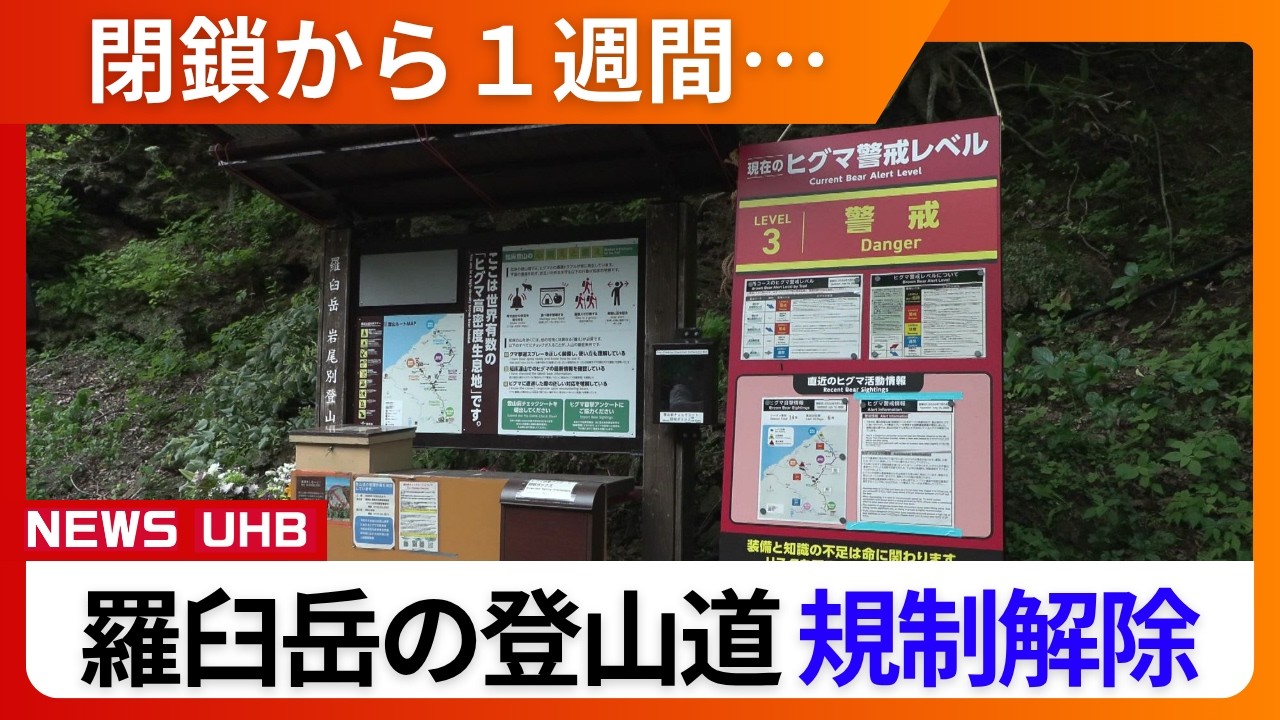
Picture this: you’ve planned a summer climb in Hokkaido, checked the weather, packed your rain shell, and then a bear alert shuts the route. That was the situation on the mountain in question after a sighting on July 9. Now the good news is simple: all routes are open again, including the Iwaobetsu and Rausu Onsen approaches.
This isn’t just a local footnote. For hikers, it’s a reminder that Hokkaido is still one of Japan’s most serious wilderness regions, where trails, wildlife, and quick decisions all matter. If you love outdoor Japan, this is exactly the kind of story worth following, because it affects real travel plans, not just headlines. Wild, isn’t it?
What reopened on the Hokkaido mountain
Here’s the thing: the reopening covered every path on the mountain, not just a partial section. The two routes that had drawn attention were the Iwaobetsu route and the Rausu Onsen route, both on the Hokkaido side of the mountain area tied to this bear alert.
The closure began on July 9 after a bear was sighted. That kind of response is standard in Japan’s mountain regions, and honestly, it’s one reason hiking here feels so different from a casual park stroll. Trails can close quickly, then reopen once safety checks are done and the immediate risk seems lower.
Take the Iwaobetsu route, for instance. It’s a name many hikers will already know if they’ve looked into climbing in eastern Hokkaido, because route names here are part of the planning language. The Rausu Onsen route is just as important, since onsen-based trailheads are a very Japanese mix of nature and recovery: climb first, soak later. See what I mean?
Why these route names matter to hikers
Quick detour: if you’re learning Japanese, route names like Iwaobetsu and Rausu Onsen are useful because they show how place names often combine geography and function. Iwa means rock, onsen means hot spring, and oba or betsu appears often in Hokkaido toponyms with Ainu roots. That mix of Japanese and Ainu place history is one of the things that makes Hokkaido feel so layered.
My tip: when you see a mountain route name in Japan, don’t treat it like decoration. It often tells you something practical, like where the trail begins or what kind of landscape you’ll hit. That’s very different from some hiking destinations abroad, where route names can be more generic.
Why Hokkaido keeps testing outdoor travellers
Seriously though: Hokkaido isn’t a theme-park version of nature, it’s the real thing. Brown bears, called 羆 (higuma) in Japanese, live across large parts of the island, and hikers are expected to respect that. The July 9 closure shows how quickly local authorities and trail managers move when an animal is seen near a route.
That’s one reason I always tell people to treat Hokkaido like a proper wilderness destination. You’ll find volcanoes, alpine flowers, steaming onsen, and long ridgelines, but you’ll also find signage, monitoring, and sometimes sudden restrictions. Classic Japan, isn’t it?



A great example: on many mountain routes, closure decisions aren’t dramatic, they’re practical. A bear sighting may not mean an attack, but it can still trigger a temporary shut down to protect hikers and avoid stressing the animal. That balance between human access and animal habitat is a big part of outdoor life in Japan.
What summer hikers should do now
If you’re heading to Hokkaido this season, check route status before you leave the hotel, and again before you step onto the trail. Don’t assume yesterday’s opening still applies today. Weather, wildlife, and local conditions can change fast, especially in remote parts of the island.
Also, keep your expectations practical. Public transport to trailheads can be limited, mobile signal can be patchy, and some climbs take longer than they look on a map. If you’re reading Japanese trail notices, useful words include 結界 (kekkai, barrier; cordon) for closure, 記者 (kisha, reporter) for reported information, and tsuikyu for restriction-related notices, though the exact wording varies by office. Wait, there’s more.
What I especially like about Hokkaido hiking is that it rewards patience. You may need to change plans, but you also get quieter trails, dramatic views, and a sense that nature is running the show. For many Japan lovers, that’s exactly the appeal. From my experience...
What this reopening means for Japan fans and learners
Let me show you why this matters beyond one mountain. For Japan fans, it’s a neat example of how local news in Japan often sits at the intersection of travel, safety, and environment. For Japanese learners, it’s a chance to connect vocabulary to a real situation, which makes words stick much better.
Try learning a few terms around this story: kuma for bear, tozan for mountain climbing, and 流行 (ryuukou, trend) rather than, well, not this time, because what matters here is outdoor caution, not trends. If you read Japanese hiking posts or trail notices, you’ll see that language is usually direct and functional. That’s useful, and it’s also very Japanese in a practical sense.
By the way: Hokkaido’s outdoor identity is one reason so many travellers head there in summer. It’s cooler than much of Honshu, the scenery is broad and open, and the region has a stronger frontier feel than the big-city side of Japan. If you like combining travel with language learning, this is the kind of place where you’ll actually use what you study. You’ll be reading signs, spotting place names, and hearing trail talk in context.
So yes, the bear alert is over for now, and the mountain is fully open again. For summer hikers, that means the Iwaobetsu and Rausu Onsen routes are back on the map, and Hokkaido’s wild side is still waiting. See what I mean?
Frequently Asked Questions
Which routes reopened after the bear alert?
The Iwaobetsu route and the Rausu Onsen route reopened, along with all other trails on the mountain.
Why was the mountain closed?
The area was closed on July 9 after a bear was sighted near the routes.
What should hikers in Hokkaido do now?
Check route status before hiking, follow local notices, and be ready to change plans if wildlife conditions change.


