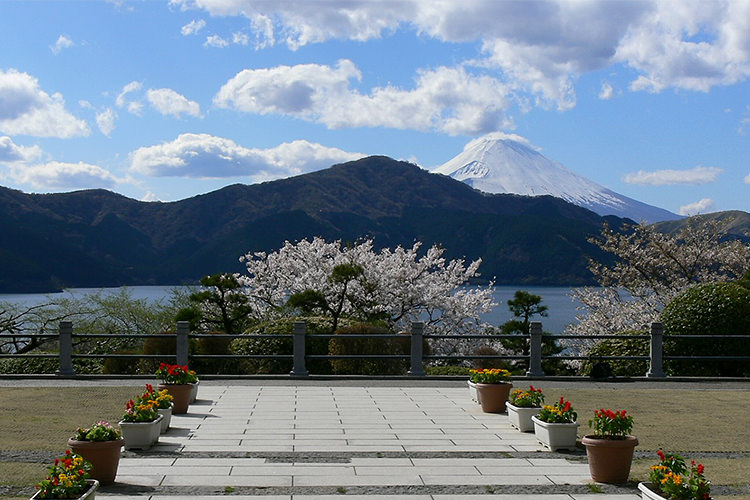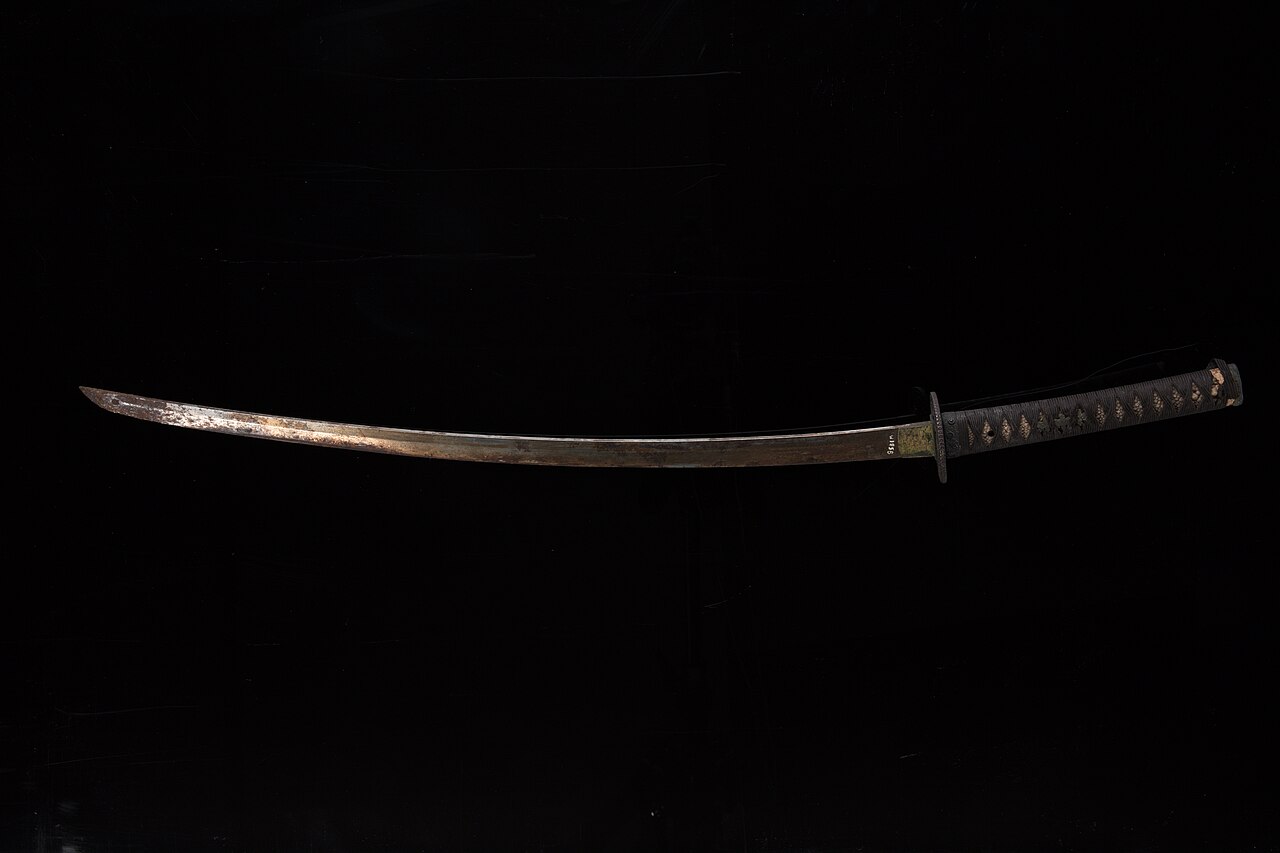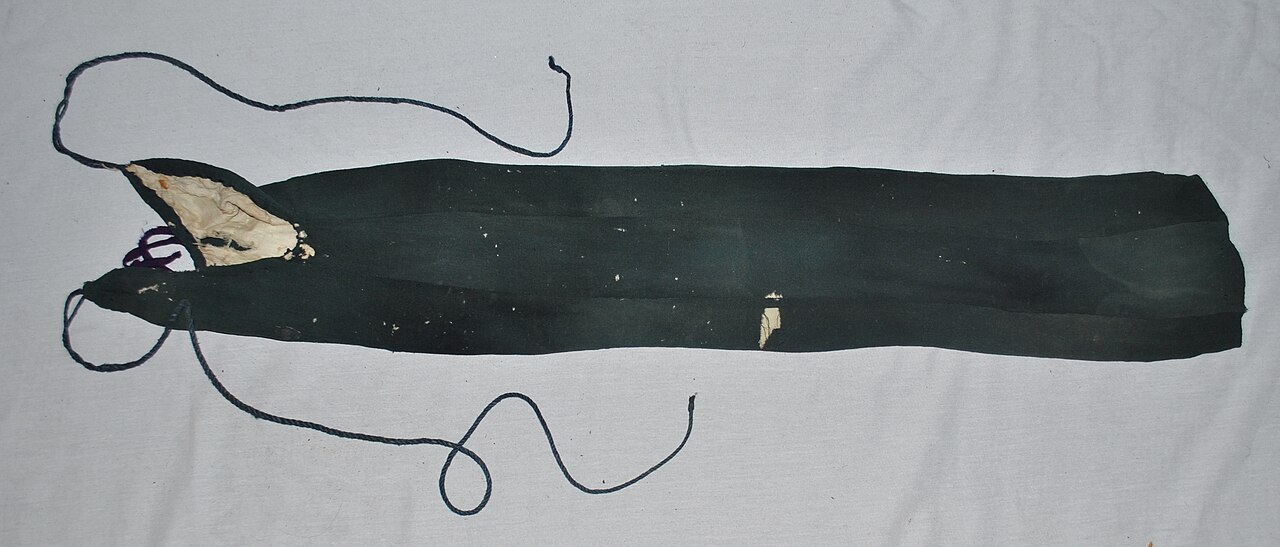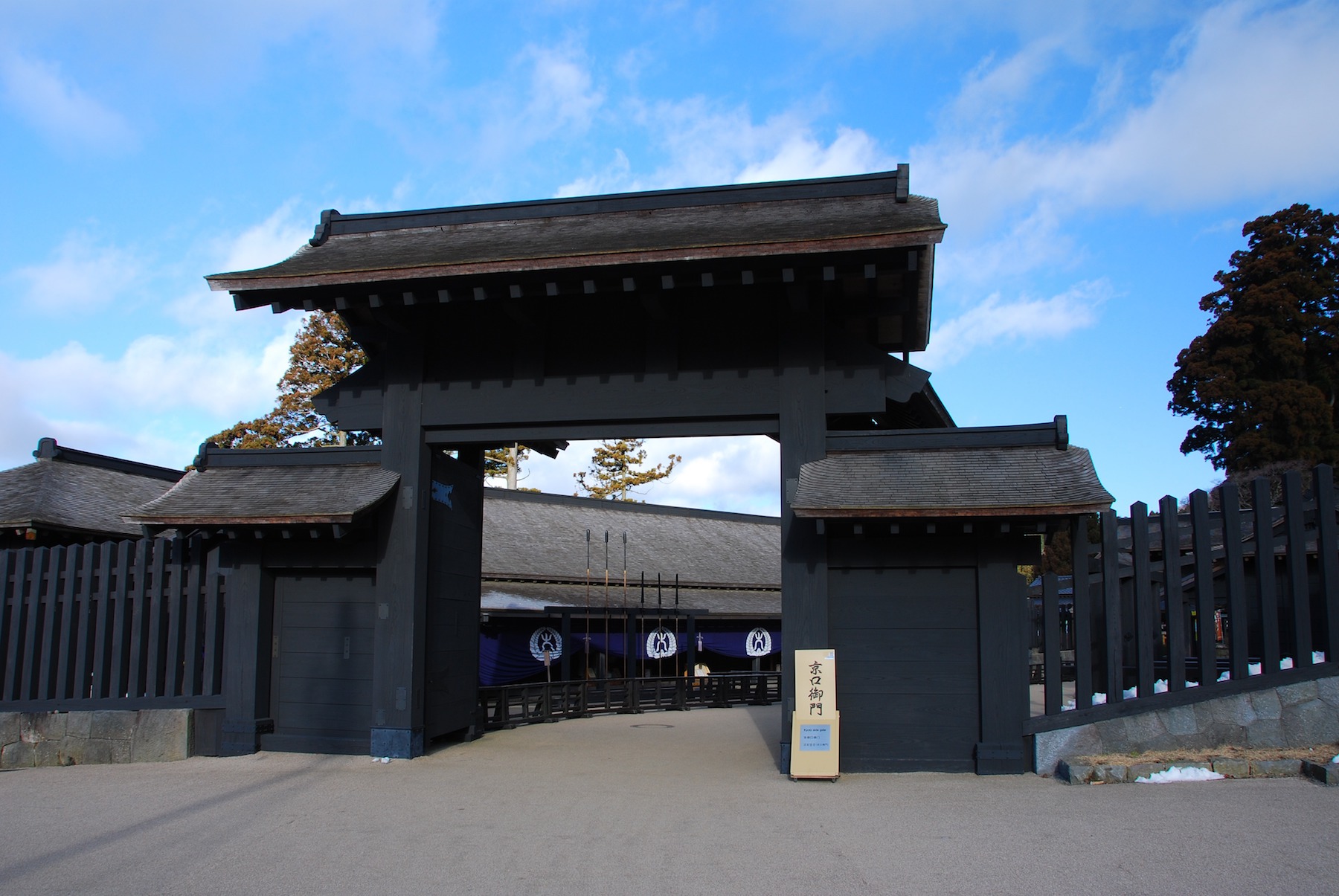
We’re in Koshu, in the old heart of Yamanashi, and that matters. Erin-ji isn’t just another temple stop with a pretty approach path, but a place where the record, the later legend, and the garden all pull in slightly different directions.
Guess what? Erin-ji Temple in Yamanashi is one of those places that looks serene at first glance, then starts loading historical weight into the silence. The temple sits in Koshu, the wine country of present-day Yamanashi, but its story reaches back into the 戦国 (Sengoku, Warring States period) period, and that’s where things get interesting. We’re not just talking about a pleasant temple visit. We’re talking about Takeda Shingen, 禅 (Zen) Buddhism, and a garden linked to Muso Kokushi, which is a fairly serious trio for one site.
Hand on heart: Erin-ji isn’t the sort of place that shouts for attention. That’s part of the appeal. The temple’s reputation comes from accumulated layers, some historical, some devotional, and some frankly polished by later memory. So, what can we learn about Erin-ji Temple in Koshu, Yamanashi, from our actual sources? Quite a lot, if we’re willing to separate the evidence from the romance.
Erin-ji Temple in Koshu, Yamanashi
Erin-ji, written as Enrinji in some English materials and usually rendered Erin-ji in Japanese guidebooks, belongs to the 臨済 (Rinzai, Rinzai school of Zen) Zen tradition. It stands in Koshu, a city that absorbed a number of older local identities when Yamanashi’s administrative map changed in the modern era. The temple today is known for its grave atmosphere, its cultural property status, and the way it combines religious history with a very specific warlord-era afterlife.
Quick detour: if you are learning Japanese, this is a good place to pick up a few useful temple words. Zen is zen, temple is tera or お寺 (otera, temple), garden is 庭 (niwa, garden), and historical site is shiseki. You’ll see all of those ideas orbiting Erin-ji whether the labels are written in Japanese or English. Classic Japan, isn't it? A single temple, and suddenly you’re reading architecture, Buddhism, and feudal politics all at once.
The temple grounds aren’t huge, but they’re arranged with care. Visitors tend to remember the main hall, the quiet approach, and the sense that the site hasn’t been remade into a spectacle. That restraint matters. A place like this works best when it keeps its edges, because the history here is already doing enough work on its own. Personally, I think that’s a better kind of heritage tourism than endless signage and loud reconstruction.
Takeda Shingen and Erin-ji Temple
Here's the kicker: Erin-ji is closely associated with Takeda Shingen, one of the best-known figures of the Sengoku period. Shingen, born in 1521 and dead by 1573, ruled Kai Province and built the Takeda house into a military force that still attracts near-mythic treatment. But our actual sources are often less dramatic than the popular image. Shingen was formidable, certainly, but he was also a regional lord managing alliances, logistics, and the usual instability of sixteenth-century Japan.
For example: Erin-ji became one of the temples tied to the Takeda family’s religious and memorial world. That doesn’t mean Shingen spent his days strolling through the grounds in a cinematic glow, because history usually disappoints the soundtrack department. What we can say is that the temple later became important as a site linked to his memory, and that connection has helped preserve Erin-ji’s status far beyond the immediate neighbourhood.
And it gets better: the temple is also associated with Shingen’s memorial image, which has made it a destination for people interested in samurai history as much as Buddhism. There is always a danger here of turning a temple into a costume piece for warlord fandom. Erin-ji mostly avoids that, though the Shingen connection is undeniably part of the draw. We should be honest about that. The temple’s fame is built as much on remembrance as on original function, and that isn’t a flaw. It is how many historical sites survive.
Compared to back home, where many old religious sites are reduced to plaques and a gift shop, Erin-ji still feels like a place with a living internal logic. It has a sacred purpose, then a historical one, and then a tourist one, in that order if we are being careful. The sequence matters. Once you reverse it, everything starts to look fake.
Muso Kokushi garden and Zen design
On a related note: the garden associated with Erin-ji is often linked to Muso Kokushi, better known as Muso Soseki, the influential Zen monk and garden designer of the Muromachi period. He died in 1351, so he lived well before Shingen, which is a useful reminder that Japanese sites often combine different centuries in one location. That mismatch isn’t an error. It is the point. A temple can hold several historical layers without asking permission from the calendar.
The Muso-style garden tradition is marked by controlled space, symbolic arrangement, and an emphasis on contemplation rather than display. You can see why people connect that aesthetic to Zen monasteries. At Erin-ji, the garden helps explain the temple’s mood better than any one plaque can. It also gives us a concrete way to talk about Japanese garden design without drifting into vague praise. Rocks, moss, paths, and empty space all matter. The empty space, in particular, does a lot of work.
Trust me on this one: if you’re learning Japanese, gardens are one of the best places to expand vocabulary in context. Words like 枯山水 (kare-sansui, dry landscape garden) for dry landscape garden, ishi for stone, and michi for path show up everywhere in descriptions of Zen spaces. You don’t need to memorise a museum catalogue. You need to notice how the physical arrangement supports the language. That is the useful part.
Why Erin-ji matters
My tip: don’t visit Erin-ji only as a Takeda Shingen stop, and don’t visit it only as a garden stop either. The site is better when you let its parts talk to each other. Shingen gives the temple its historical gravity, the Muso Kokushi garden gives it visual discipline, and the Zen setting gives the whole place its calm frame. Taken together, they explain why Erin-ji keeps appearing in travel guides and history write-ups alike.
That’s why Erin-ji is worth knowing, especially if you care about the overlap between religion, landscape, and samurai memory. It isn’t the loudest temple in Japan, and that is exactly why it stays with you. It asks for attention, then rewards patience. My verdict: that is usually a better deal than drama.
If you want more Japan history and travel context, you can always check more Japan news on jpnerd.com.
Frequently Asked Questions
Where is Erin-ji Temple located?
It is in Koshu, Yamanashi Prefecture, in the area historically tied to the Takeda clan.
Why is Erin-ji linked to Takeda Shingen?
The temple is associated with the Takeda family’s religious and memorial history, which later made it part of Shingen’s legacy.
What is special about the garden at Erin-ji?
It is linked to Muso Kokushi and reflects a restrained Zen aesthetic focused on balance, space, and contemplation.