Why Emperor Keitai matters to this route
Picture this: you arrive at the western shore of Lake Biwa and follow quiet lanes past rice paddies, and suddenly, the landscape feels like an early 6th-century chronicle. Emperor Keitai is traditionally listed as the 26th emperor of Japan, and classical sources like the Nihon Shoki and Kojiki place his accession around 507, with a reign that ends around 531. That’s why historians point to the 古墳 (kofun, burial mound) era context and regional power shifts when they study him.
Do you know that feeling when a place makes history feel tactile? Here, you can see kofun mounds, ancient burial shapes visible in the countryside, and local shrines that claim links to Keitai's family or retain rituals that echo older traditions. What most people don't know is that several scholars argue Keitai may have originated from 越 (Koshi, Koshi region), the old northern coastal region, before becoming a 大和 (Yamato, Yamato) ruler, which adds a migration layer to the pilgrimage story. But that’s not all.
Ushi no Matsuri: the unusual cow festival
Fun fact: 牛 (ushi, cow) means cow, and the Ushi no 祭り (matsuri, festival) is a local matsuri that celebrates cattle, agricultural fertility, and community health. Here’s the catch: the festival in Takashima blends agricultural rites with a claim to imperial myth, so the cows are more than props; they stand for lineage, livelihood, and local identity.
Seriously though, expect processions, small portable shrines, and performances rooted in rural Shiga traditions. A great example is that local participants often perform dances and carry symbolic items to bless fields and livestock. My tip? Arrive early to catch the informal moments when elders show ritual objects and explain stories in plain romaji vocabulary like matsuri, torii, and ema. Convinced yet?
Sites to include on a Keitai pilgrimage
I still remember exactly the smell of cedar near a small shrine outside Takashima, where an old plaque mentioned Keitai in romaji script. For a walking tour, try this loop: start at Takashima city centre, walk toward the Adogawa area by Lake Biwa, pause at visible kofun mounds, then visit local shrines that host the Ushi no Matsuri rituals. That’s why the loop works; it mixes landscape, archaeology, and living ritual.
Practical stops and distances
Picture this: a 12 to 15-kilometre day hike, depending on detours, will cover the main spots. Expect rural roads and well-marked local signage in English at major tourist points. Highly recommended: bring a map from the Takashima tourist office and wear sturdy shoes; parts of the trail go over gravel beside farm fields. Wait, there’s more.
When to go
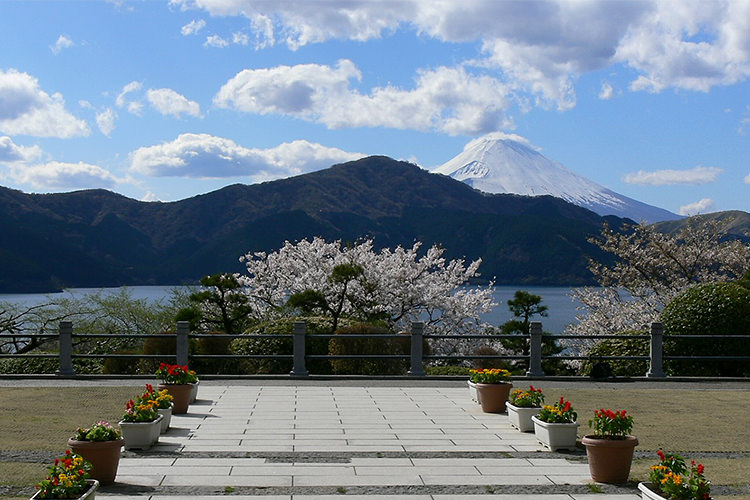
Know that weather matters. Spring gives cherry blossoms near shrine approaches and clearer views of Lake Biwa. Autumn paints the hills with colour and often lines up with local harvest rites connected to the matsuri calendar. My tip? Check local listings on the Takashima tourist site for the exact Ushi no Matsuri date, since small community festivals can shift year to year.
Learning Japanese on the trail
Picture this: every shrine plaque and festival flyer becomes a tiny lesson. For language learners, romaji labels like kofun, misasagi, matsuri, and torii are a gentle bridge to reading simple signs and hearing local pronunciations. Here’s the deal: bring a phrasebook and try short exchanges with stall vendors using basic greetings and numbers; it’s excellent practical practice.
What I especially like is that the locals are used to curious visitors, and many will happily explain a ritual in slow romaji if you show genuine interest. That’s why combining cultural curiosity with language practice makes the pilgrimage more rewarding.
For an official event note and visitor info, Takashima city posts an English overview of the Emperor Keitai trail and the Ushi no Matsuri, which helps with dates and access details. A deeper historical background on Emperor Keitai can be found in the Nihon Shoki and on reference pages that summarise academic debates about his origins and reign.
Seriously though, if you love quiet landscapes, local legend, and a festival with an uncommon focus, this pilgrimage offers something different from the big-city matsuri circuit. Simply brilliant. But that’s not all.
more Japan news on jpnerd.comFrequently Asked Questions
Who was Emperor Keitai?
Short answer: a semi-legendary early 6th-century ruler, traditionally counted as the 26th emperor, mentioned in the Nihon Shoki and Kojiki.
What is Ushi no Matsuri?
Short answer: an annual local festival that honours cattle and agricultural prosperity, with processions and rituals specific to the Takashima area.
Sources
- Takashima City Tourism: Emperor Keitai & Ushi no Matsuri
- Wikipedia: Emperor Keitai
- Wikipedia: Nihon Shoki