
I still remember exactly how electric Akihabara feels after dark, with the neon, the game arcades, and the tiny 居酒屋 (izakaya, Japanese pub) tucked between electronics shops. That makes this kind of company news easier to picture, because it’s not just boardroom talk, it’s happening in a real city that already lives and breathes tech.



Nvidia is teaming up with Japanese robot makers on AI, and that alone tells you where the next big tech race is heading. Japan has long been a robotics heavyweight, but the new game is no longer just motors, sensors, and clever mechanics. Now it’s about training machines to see, plan, and react in real time.
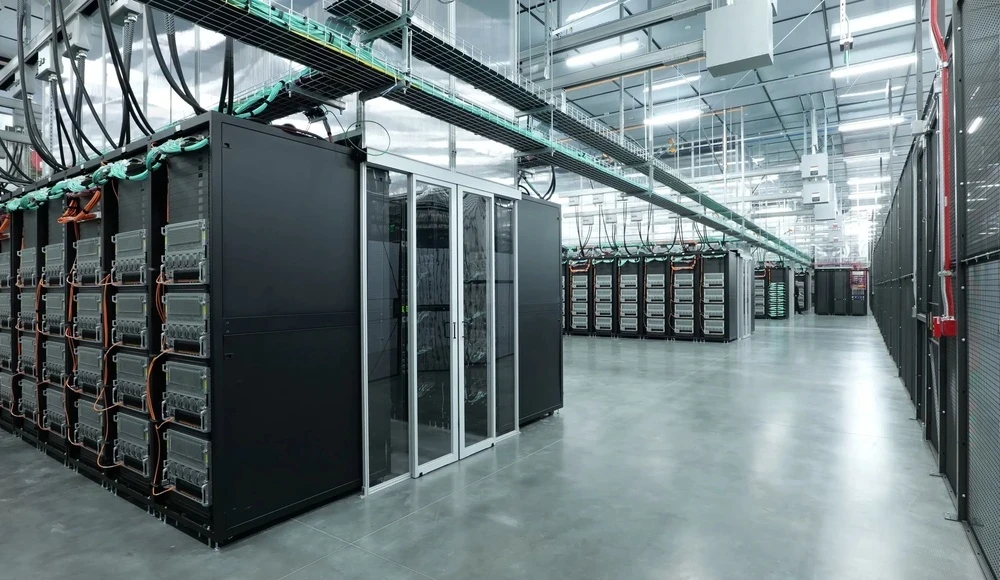
Here’s the deal: the partnership is about folding Nvidia’s AI hardware and software into Japan’s robotics ecosystem, so robots can do more than repeat fixed movements. Think inspection robots, warehouse machines, service bots, and industrial arms that can deal with messy, changing environments. No wonder, because Japan’s manufacturers are facing labour shortages, an ageing population, and pressure to keep factories humming with fewer hands on deck.
The big names in Japanese robotics have spent decades refining precision. Companies like Fanuc, Yaskawa Electric, Kawasaki Heavy Industries, and the humanoid-focused SoftBank Robotics are all part of a country that treats automation as a serious industry, not a sci-fi hobby. Nvidia, meanwhile, has made itself central to AI development worldwide by selling the chips and software stack needed to train and run advanced models. Speaking of which, that makes this a very practical alliance, not just a flashy press photo.
Nvidia and Japanese Robot Makers: Why This Matters
What many overlook: robotics is changing because AI is changing. A traditional industrial robot can weld the same spot all day, every day, but it usually needs a controlled environment and carefully programmed tasks. An AI-enabled robot can potentially recognise objects, adjust to new layouts, and respond to people more naturally. That shift matters in Japan, where many factories and care facilities need flexible automation rather than one-trick machines.
Japan also has a strong case for this kind of work. In 2023, the country installed around 46,000 industrial robots, according to the International Federation of Robotics, keeping it among the world leaders. The same report shows how central Japan remains to global robotics production, with local firms exporting machines all over Asia, Europe, and North America. Sounds good, right?
From factory floors to everyday life
While we're at it: the best robotics stories in Japan are rarely just about factories. The real excitement is in the edges, where robots meet daily life. Hospital logistics, elderly care, hotel service, airport handling, even store assistance, all of these areas can benefit from better perception and better decision-making. That’s where Nvidia’s AI development push starts to look very concrete.
My tip: if you’re learning Japanese, pay attention to the language around this topic. Words like ロボット (robotto), jinzai furyo, and 自働化 (jidoka, autonomation; automation with a human touch) come up a lot in business coverage, and they tell you a lot about how Japan frames automation. Jidoka, for example, is often translated as automation with a human touch, and it’s a classic concept in Japanese manufacturing. Sounds weird, but it's true; the vocabulary itself opens a window into the whole industry.



Akihabara Izakaya Dinner and the Tokyo Tech Mood
The first time I went to Japan, Akihabara felt like a district that never wanted to choose between yesterday and tomorrow. You can walk past retro game shops, anime billboards, and component stores, then end up in a cramped izakaya over grilled chicken and draft beer. That mix matters here, because the dinner in Akihabara gives this business story a very Tokyo kind of texture.
Plot twist: those informal meals often matter just as much as the headline announcement. In Japan, relationships between companies can deepen over dinner, after the suits come off and the conversation gets more direct. A late-night meal in Akihabara isn’t some random backdrop; it fits the city’s image as a place where hardware, fandom, and engineering overlap naturally. Highly recommended as a setting for any tech story.
Oh, almost forgot: Akihabara itself has shifted a lot over the years. It used to be known mainly for electronics parts and bargain gadgets. Now it’s also a tourism magnet and a symbol of pop-tech Japan. That change mirrors the robot story pretty well, because the industry is moving from pure machinery into AI-driven systems that need software, data, and cloud links as much as steel and servos. But that's not all.
What Nvidia Gets, and What Japan Gets
For Nvidia, Japan is more than a customer base. It’s a chance to anchor AI development in one of the most advanced manufacturing countries on earth. Robots in Japan are tested in demanding settings, and improvements made there can travel quickly into global supply chains. That’s a serious advantage for any company trying to shape the next generation of embodied AI.
For Japanese robot makers, Nvidia brings scale. Its GPUs, developer tools, and AI platforms can shorten the jump from prototype to production. That means faster experimentation with vision systems, motion planning, and simulation. It also helps bridge the gap between classical industrial control and the newer AI layer that many factories are trying to adopt right now.
What I especially like: this kind of cooperation keeps Japan at the centre of the conversation instead of on the sidelines. The country already has the manufacturing discipline, the engineering talent, and a public that tends to accept robots more readily than many other places. If Nvidia and Japanese robot makers can turn that into practical AI products, the result could show up in factories, stores, and care facilities far beyond Tokyo. Wait, there's more.
Frequently Asked Questions
Why is Japan important for robotics AI?
Japan has a strong robotics industry, advanced manufacturing, and real-world demand from ageing society challenges.
What does Nvidia bring to robot makers?
Nvidia provides AI chips, software, and simulation tools that help robots perceive and react better.
Why mention Akihabara in this story?
Akihabara reflects Tokyo’s tech culture, and the dinner setting adds local context to the business news.


