
The prefecture is leaning into pop culture as a local strategy, not just tourism decoration. And honestly, I think that’s exactly the kind of move that can help regional Japan fight stagnation without pretending it can become Tokyo overnight.
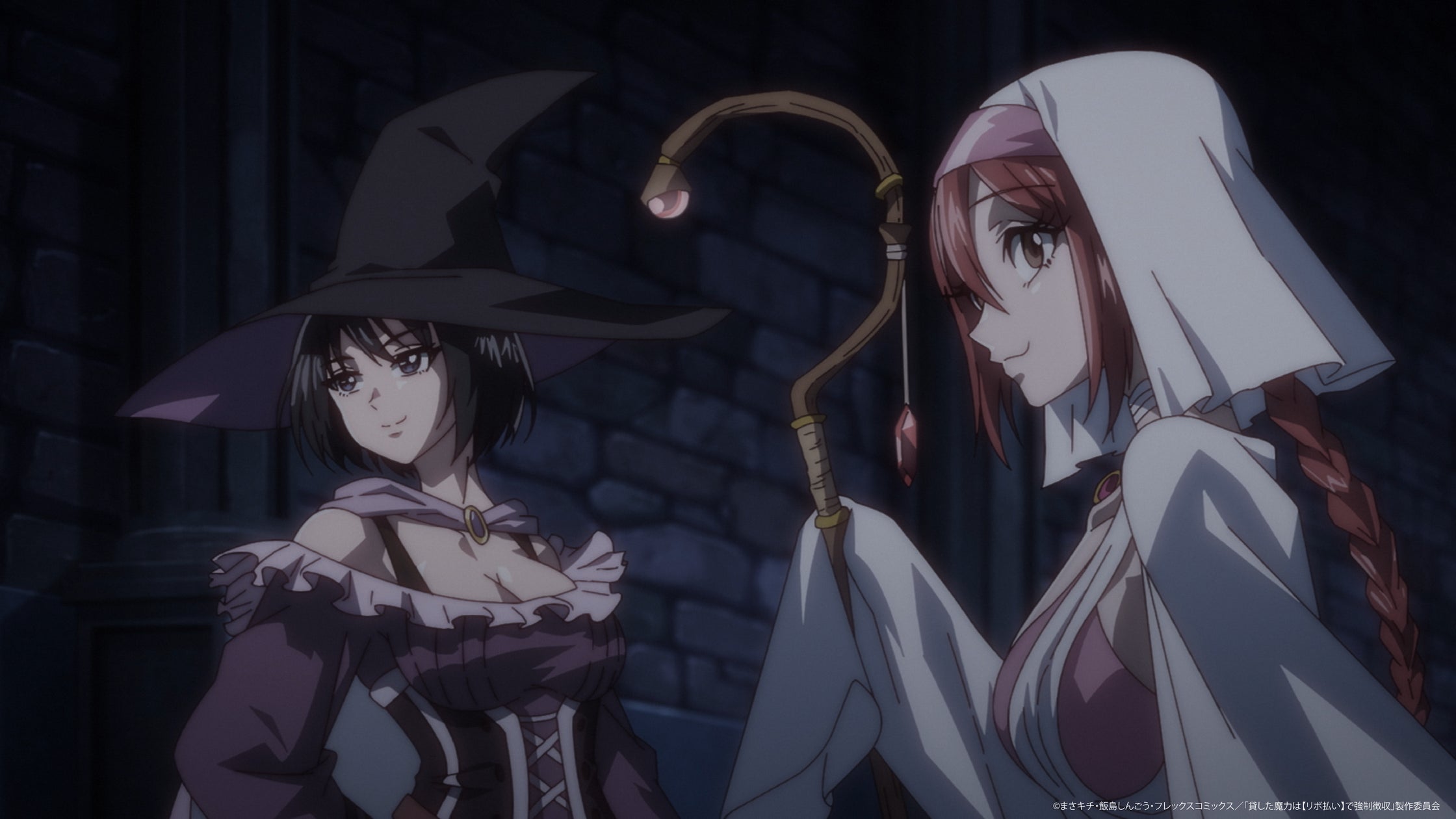
Ibaraki is aiming to become a place people visit because they know it from stories, not just because it sits on the map. The prefecture will use anime and film settings as part of a wider push to build what the announcement calls a pilgrimage destination, and the key creative piece is a local novel titled 聖地 (seichi, sacred site; pilgrimage spot) o Tsukure, scheduled to start on 18 September 2026 according to PR Times.
That date matters, but the bigger point matters more. This isn’t a vague branding slogan, it’s a concrete attempt to link place, fiction, and visitor behaviour. If you’re learning Japanese, this is also a lovely example of how the word seichi, often used for fandom pilgrimages, has become part of everyday pop-culture vocabulary. Wild, isn’t it?
Ibaraki as a setting, not just a stop on the way
Ibaraki has long lived in the shadow of bigger Kanto names, especially Tokyo, Yokohama, and even neighbouring tourist magnets like Tochigi and Chiba. That’s precisely why a story-led strategy makes sense. Places don’t have to be globally famous first, they can become famous through the stories attached to them.
The reason is simple: people travel for emotion, then they justify it with logistics. A shrine from an anime, a harbour from a film, a quiet street from a novel, these aren’t just background details. They become coordinates for memory, and that’s what pilgrimage tourism really trades in.
For Ibaraki, this could be especially effective because the prefecture already has a landscape that works well on screen: coast, open skies, temples, gardens, and a less frantic urban feel than central Tokyo. In other words, it has the visual calm that directors and animators love, and visitors often remember. Classic Japan, isn’t it?
Seichi o Tsukure and the logic of a local novel
The novel title itself is interesting. Seichi o Tsukure roughly means “Let’s create a sacred site,” or more naturally in pop-culture language, “Let’s make a pilgrimage spot.” That’s not subtle, and I mean that as praise. It signals the strategy openly, instead of hiding behind bureaucratic euphemism.
Here’s what I especially like: the project understands that modern tourism is narrative-driven. Fans don’t just want a checklist of attractions. They want a story world they can step into, photograph, and then share online. A locally grounded novel is a neat way to create that emotional bridge between fiction and geography.

Why this matters for Japanese learners
If you’re studying Japanese, this is also a useful reminder that pop culture language isn’t separate from real language. Words like seichi, 舞台 (butai, setting; stage), and jumyosha often appear in tourism and fan contexts, and they show how fandom has shaped everyday speech. Learning those terms helps you understand why a railway station, a coastline, or an ordinary shopping street can suddenly become a destination.
My tip: when you see a new anime or film location promoted in Japan, look up how the local government describes it in Japanese. The wording often reveals whether the place is chasing casual sightseeing, serious fan pilgrimage, or both.
Why local Japan keeps reaching for pop culture
On a related note: this kind of strategy isn’t happening in a vacuum. Regional Japan has been searching for ways to revive foot traffic for years, especially in places that can’t rely on mass tourism alone. Pop culture is attractive because it can move faster than traditional destination marketing, and it gives local people something concrete to rally around.
Seriously though, this is also a response to stagnation. A prefecture doesn’t need a billion-yen mega resort if it can get a steady stream of fans taking trains, buying snacks, and posting location photos. That isn’t glamorous, but it’s real economic activity, and Japan has never lacked for places that could use more of that.
And it gets better: anime and film settings often create repeat visits. Fans come once for the location, then return for seasonal events, limited goods, or another title that uses the same area. That’s how a one-off trip turns into a pattern, and patterns are what local economies love.
Oh, and almost forgot: there’s a language angle here too. Japanese tourism writing often uses words like 名所 (meisho, famous place; sightseeing spot) for famous places and seichi for sacred or fan-canon places, but the emotional difference is huge. Meisho is the old-school sightseeing word. Seichi belongs to the era of fandom, social media, and the soft power of stories.
Frequently Asked Questions
What is Ibaraki trying to do?
Ibaraki wants to attract visitors by turning anime and film settings into pilgrimage destinations.
What is Seichi o Tsukure?
It is a local novel project linked to that strategy, with a start date of 18 September 2026.
Why does this matter for Japan fans?
It shows how Japanese regions use pop culture to revive tourism, and it gives learners useful vocabulary from real-world fandom culture.