
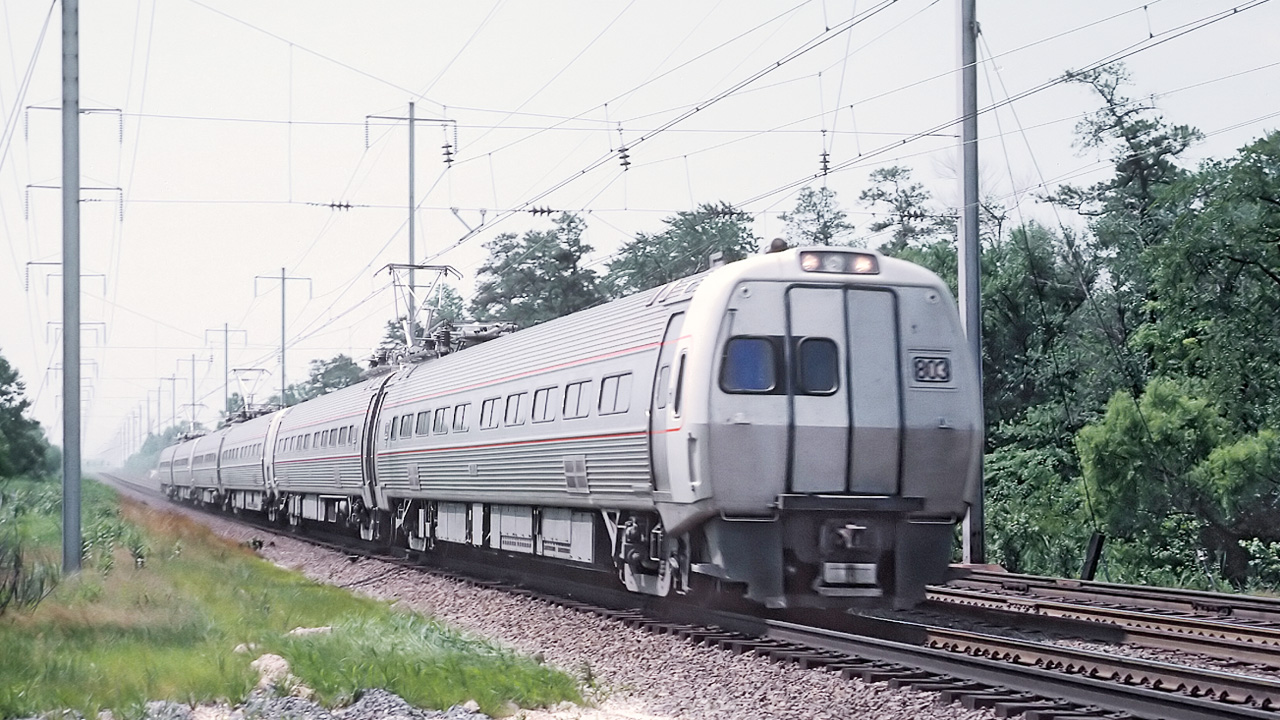
That reminds me: the story gets even better when you see how the U.S. tried to respond with its own high-speed dreams and why they never quite landed the same way. Insider tip: if you love Japanese history and rail technology, this one’s pure gold.
Shinkansen, Tokyo-Osaka, and the moment Japan changed the game
Picture a narrow alley in Tokyo. One minute you’re hearing shop shutters and bicycle bells, and the next, you’re thinking about a train that could turn the entire rhythm of Japan upside down. That’s what the original (seikatsu of Japanese rail travel, or everyday life, got rewritten in real time.
The best part? This wasn’t a flashy prototype stuck in a museum. It became a daily workhorse. Millions of passengers, year after year, used it as if high-speed rail had always existed. My tip, if you want to understand modern Japan, don’t start with pop culture; start with the train timetable. Personally...
Why the Shinkansen became the benchmark other countries kept chasing
Guess what? Countries in Europe and the United States were watching Japan very closely. In the rail world, the Shinkansen didn’t just prove that fast rail was possible; it showed that speed, safety, and reliability could coexist in the same system. That combination is tougher to build than a single record-breaking number.
Japan’s advantage was as much institutional as it was technical. The project was backed by Japanese National Railways, with serious state-level commitment and engineering discipline. The trains ran on dedicated tracks, which avoided much of the congestion that slows mixed-use rail networks. Add earthquake engineering, advanced signalling, and a maintenance culture built around
What I especially like is that the Shinkansen feels modern even decades later because it was designed around a system, not just a stunt. It’s not just the train nose, even if that nose became iconic. It’s the whole package, from platform safety lines to the famous on-time performance. That's why... rail fans keep coming back to Japan when they talk about the gold standard. Sounds good, right?
Shinkansen design details that still matter
Look closer, and the engineering gets even more impressive. The first-generation ( the United States, with its vast geography and engineering prowess, looking at Japan and thinking, we can do this too. That’s the energy behind several American high-speed rail ambitions over the decades, from the Metroliner era to later plans that aimed to create a true rival to the Shinkansen.



One major storyline covered in the B1M history video The Time America Tried to Beat the Shinkansen is how the U.S. explored high-speed rail but kept running into structural problems. American rail corridors were often freight-heavy, fragmented, and politically inconsistent. Unlike Japan’s dedicated passenger-first approach, the U.S. had to negotiate with existing railroads, land use, and funding battles before the first real fast train even moved.
The comparison is stark. Japan built a national prestige project around a Tokyo-Osaka corridor with immense passenger demand. The U.S. often talked about speed in the abstract but lacked the same density, infrastructure focus, and long-term continuity. And it gets better: even when technical solutions existed, the politics usually moved slower than the train would have. Personally...
What the B1M video gets right about the historical context
The B1M video does a great job showing that this wasn’t just a race of engineering teams. It was a race of planning cultures. The Shinkansen emerged from postwar Japan’s need to modernise quickly, while American attempts were caught between ambition and compromise. That’s a huge difference.
If you’re learning Japanese, this is a nice moment to pick up a useful pair of words: . That’s a rare balance.
Oh, almost forgot, for Japanese learners, rail vocabulary is a sneaky good study topic. Words like . If you can read train signs and schedules, you’re already closer to surviving daily life in Japan than you think. That's why... transport language matters more than people expect.
My tip: next time you watch a Shinkansen video or ride one yourself, pay attention to the details, platform gaps, boarding order, seat numbers, and even the quiet inside the carriage. That’s where Japan’s engineering culture really shows. Wild, isn’t it?
Frequently Asked Questions
When did the Shinkansen first open?
The Tokaido Shinkansen opened in 1964, just before the Tokyo Olympics.
Why is the Tokyo-Osaka route so important?
It linked Japan’s two biggest urban centres and proved that high-speed rail could beat conventional travel on a major business corridor.
Why couldn’t the U.S. easily copy the Shinkansen?
American rail systems were more fragmented, freight-heavy, and politically difficult to modernise, which made a Japan-style approach much harder.


