
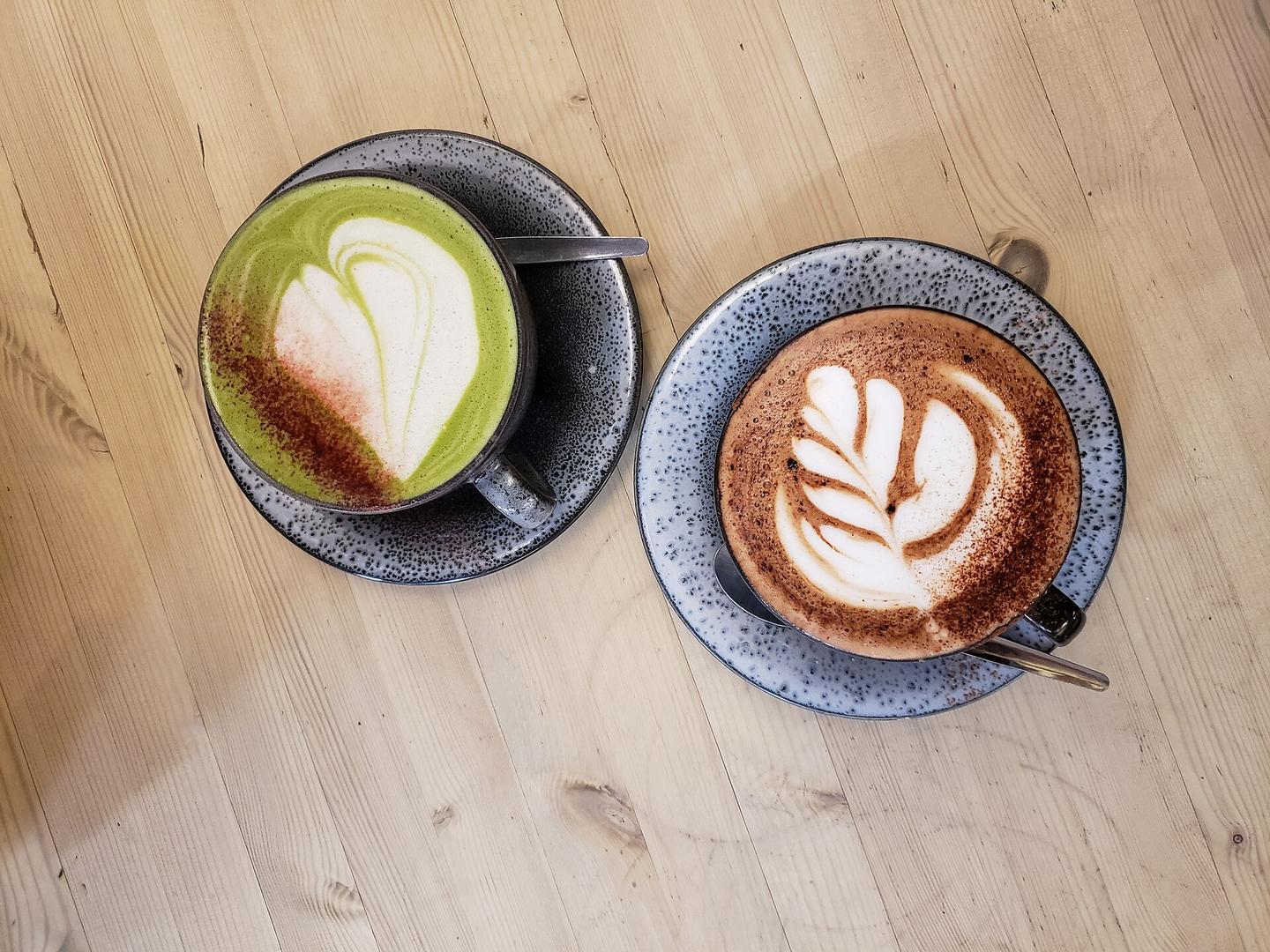
SAKURA MATCHA: the Japan drink trend everyone’s talking about
Guess what? SAKURA MATCHA didn't just get a few curious looks; it was sold out almost immediately after launch. That alone says a lot about how strong the appetite is right now for Japanese spring-themed food and drink, especially products tied to (抹茶|matcha.
What many overlook is that in Japan, seasonal products can move fast if the timing, design, and story line up. Sakura season only lasts a short time, so anything connected to spring can feel limited from day one. From my experience, that sense of "now or never" is exactly what makes Japanese spring goods so addictive.
No wonder, because the name itself is built to catch attention. "Sakura" means cherry blossom, while "matcha" is one of the most recognisable Japanese drink words outside Japan. Put them together, and you get something that sounds familiar but still a little playful and unexpected. Personally, I think that mix is a big part of the appeal.
Why it sold out so quickly after launch
Here's the kicker, this wasn't a tiny local trial that nobody noticed. The product caught enough interest to run out right after release, which suggests people were buying on curiosity, aesthetics, and seasonality all at once. In Japan, that combo can be stronger than taste alone, especially when social media starts treating a product like a photo moment.
Oh, almost forgot! The source report from Jiji Press frames the drink as a botanical-style release rather than a standard tea item. That wording matters. "Botanical" makes it sound refined and a bit experimental, which is perfect for a product aimed at fans who want something pretty, seasonal, and easy to post about.
To be fair, selling out doesn’t always mean a product is technically better than everything else. It can also mean the timing was perfect, the packaging looked appealing, and the name did half the work. But let’s stick with the point for now, because this is exactly how many modern Japanese food trends spread: through a mix of taste, design, and story.
What makes it different from traditional matcha?
Traditional matcha comes from finely ground tea leaves, and it has a distinct bitter, grassy depth. SAKURA MATCHA skips that base and goes for sakura powder, so the flavour profile is more floral and spring-like. If you’re studying Japanese, this is a nice reminder that words like 茶|cha) don’t always guarantee a standard tea experience in modern product naming.
Here’s the thing: Japanese branding often plays with expectation. If a product name includes matcha, many consumers picture earthy green tea. But a botanical drink can borrow the word while changing the entire experience, which is very Japanese in a marketing sense. Not bad, right?
The re-release and what fans can expect next
Plot twist: after the fast sell-out, a re-release has now been announced. That usually means the company has seen enough demand to justify another production run, and it also gives people who missed the first batch a second chance.
If you’re in Japan or following Japanese limited-edition culture, you know how important this is. A rerun, or ( if you like following Japanese product trends, keep an eye on how companies announce the second wave.
Why this matters to Japanese learners and Japan fans
For learners, SAKURA MATCHA is a neat little case study in everyday Japanese culture. You get seasonal vocabulary like 桜|sakura), food-and-drink branding, and the logic behind limited-time releases. You also see how English words, Japanese aesthetics, and product storytelling get mixed together in real life.
My tip is this: when you see words like seasonal, botanical, or limited in Japanese product news, think beyond the item itself. You’re often looking at a whole cultural package, one that includes spring imagery, gift-giving habits, and the Japanese love of short seasonal windows. This is my absolute hidden gem! from a language-learning point of view because it teaches you how Japan sells mood, not just flavour.
So yes, a sakura-based drink without tea leaves may sound like a gimmick at first. But that’s exactly why it’s interesting. It shows how Japanese food trends can turn a flower, a season, and a familiar word into something people want to line up for, or at least click on quickly before it sells out again. But that’s not all.
Want more stories like this? more Japan news on jpnerd.com
Frequently Asked Questions
What is SAKURA MATCHA?
It’s a sakura-based botanical drink inspired by matcha, but made without tea leaves.
Why did it sell out so fast?
The launch combined seasonal appeal, strong branding, and a limited-time feel, which created quick demand.
Will it be available again?
Yes, a re-release has been announced after the first batch sold out immediately.


