
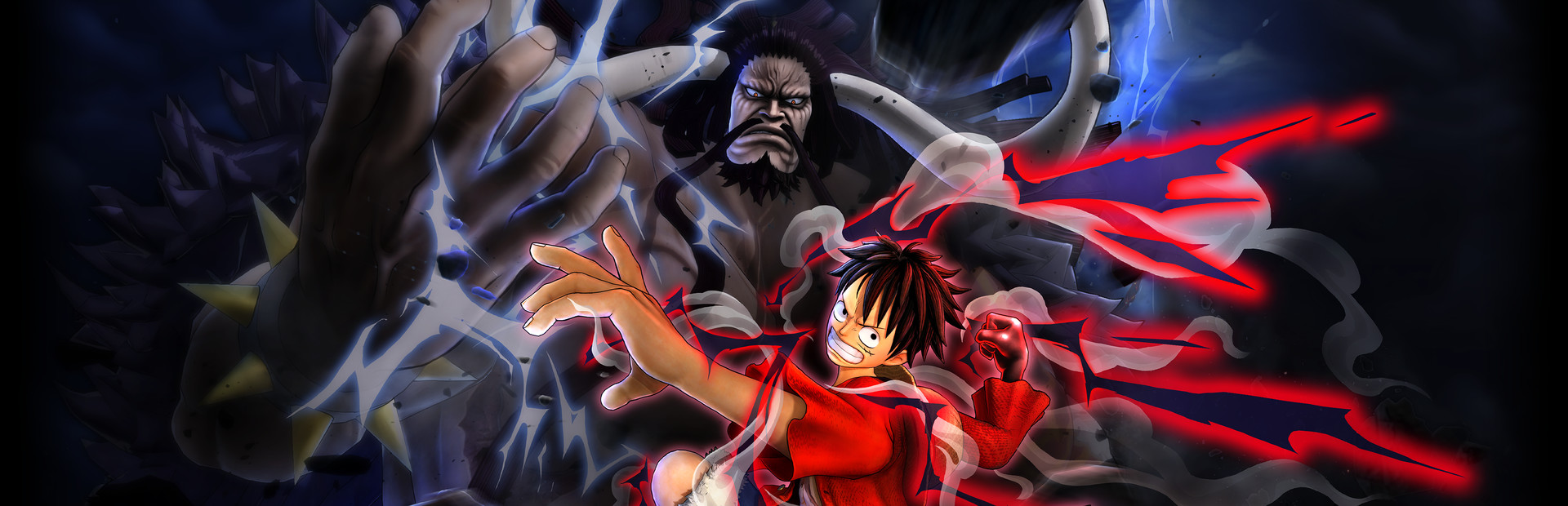
The World Government's shadow ruler’s been a talking point for years, but the name itself may already be hiding a clue. Once you connect it to the 漢字 (kanji, Chinese characters; kanji) for god and Buddha, the symbolism gets pretty interesting.
![Dragon Ball Z: Kakarot [Master Edition]](https://s.pacn.ws/1/p/1eh/dragon-ball-z-kakarot-master-edition-908785.1.jpg?v=t8ja8t&width=400)
ONE PIECE and the Name Imu
Ever wondered why a single name can send One Piece fans into overdrive? Imu did exactly that when Eiichiro Oda introduced this figure as the hidden ruler behind the Empty Throne, a concept tied to the World Government and the power structure that’s been built since the Great Pirate Era began in 1997.

No joke: the moment Imu appeared in the manga, the story shifted from political mystery to something closer to myth. That’s why readers keep coming back to the name itself, not just the character design. Names in One Piece are never random, and Oda’s spent decades layering puns, historical echoes, and kanji play into even the smallest details.
Here’s the deal: if you enjoy Japanese as a learner, this is exactly the kind of lore that rewards close reading. Even if you only know a few characters, you can still spot how Oda uses sound, meaning, and cultural associations to build a sense of sacred authority around Imu. See what I mean?
What the Kanji for God and Buddha Suggest
While we’re at it, Japanese gives us two very heavy words here: 神 (kami, god; deity) for god and 仏 (hotoke, Buddha; a deceased person; enlightened state) or 仏 (butsu) for Buddha, depending on the context. They’re not casual labels. In written Japanese, kanji carries visual and cultural force, so when a story leans into religious language, the feeling changes fast.
For example, kami can point to a deity, spirit, or divine presence, while hotoke can refer to the Buddha, a deceased person, or a peaceful, enlightened state. That range matters, because One Piece often plays with contrasts, authority, and transcendence. Imu sits at the centre of a government that behaves like a false religion, one that controls history and decides who gets erased.
Here’s the catch: if the name Imu echoes words connected to godhood or Buddhist imagery, the character becomes less like a simple villain and more like a symbol of competing sacred claims. The manga isn’t just asking who rules the world, but who gets to define truth. Sounds good, right?
Japanese Wordplay, Symbolism, and Lore Reading
Picture this: you’re reading a chapter, and suddenly a name, a title, or a piece of calligraphy carries half the meaning by itself. That’s very normal in Japanese pop culture. From Naruto to Bleach to One Piece, creators love sound-alike names, kanji with double meanings, and references that work on the page and in the reader's head.
Why language learners should care
My tip: keep an eye on words like kami, hotoke, 天 (ten, heaven; sky), 霊 (rei, spirit; soul), and 救世 (kyuusei, salvation; rescue) when you read manga in Japanese or even translated commentary. You’ll notice how often sacred or spiritual language gets reused for rulers, weapons, and political systems. That kind of vocabulary gives you a real feel for how Japanese mixes the everyday with the mythic.
What I especially like is that this helps with both language and fandom. You’re not memorising isolated words, you’re seeing how they function in a story. If a character's name feels stiff, holy, or ancient, there’s usually a reason. And in One Piece, that reason often points straight to the theme of inherited power versus manufactured legitimacy.
Imu, the Empty Throne, and the God-Buddha Split
Ever wondered why the Empty Throne matters so much? In the One Piece world, it represents the claim that no single nation rules over the others, yet Imu's existence proves the opposite. The throne is empty in public, occupied in secret, and that gap is where Oda hides his sharpest political irony.
No exaggeration: if Imu's name carries echoes of divine language, then the contrast becomes brutal. God suggests absolute authority. Buddha suggests insight, detachment, and release from desire. Put those side by side with the World Government's violence, censorship, and memory control, and the symbolism almost writes itself.
Highly recommended: read chapters around the Reverie arc again with this lens. You’ll notice how Oda frames authority not as wisdom, but as performance. That’s one reason One Piece has lasted since Weekly Shonen Jump began serialising it in 1997, and why the series still rewards readers who care about both lore and language. But that’s not all.
How to Spot This Kind of Kanji Symbolism in Manga
It’s early morning in Kyoto. You’re sitting with coffee, a notebook, and a manga volume, and suddenly a tiny name choice changes everything. That’s the joy of Japanese text analysis, because a single term can carry history, religion, and humour all at once.
Pro tip: when a manga mentions sacred terms, check the original Japanese if you can. Romaji helps with pronunciation, but the kanji gives you the real signal. Even basic learners can compare notes with a dictionary, then see how fan discussions on places like one-piece.com or long-form analysis threads build on that same clue-hunting habit.
This is my absolute hidden gem! The more you read Japanese fandom content, the more you realise that lore is often built from language first, plot second. One Piece is brilliant at that, and Imu is one of the clearest examples so far. Sounds good, right?
In pictures
Frequently Asked Questions
Why do fans connect Imu with religious symbolism?
Because the character sits at the centre of secret power, and the name feels loaded with sacred and historical associations.
Do Japanese learners need to know kanji to enjoy this theory?
No, but knowing a little kanji makes the symbolism much easier to spot and remember.
Is this kind of name analysis common in manga?
Yes. Many manga use names, puns, and written characters to add hidden meaning.


