
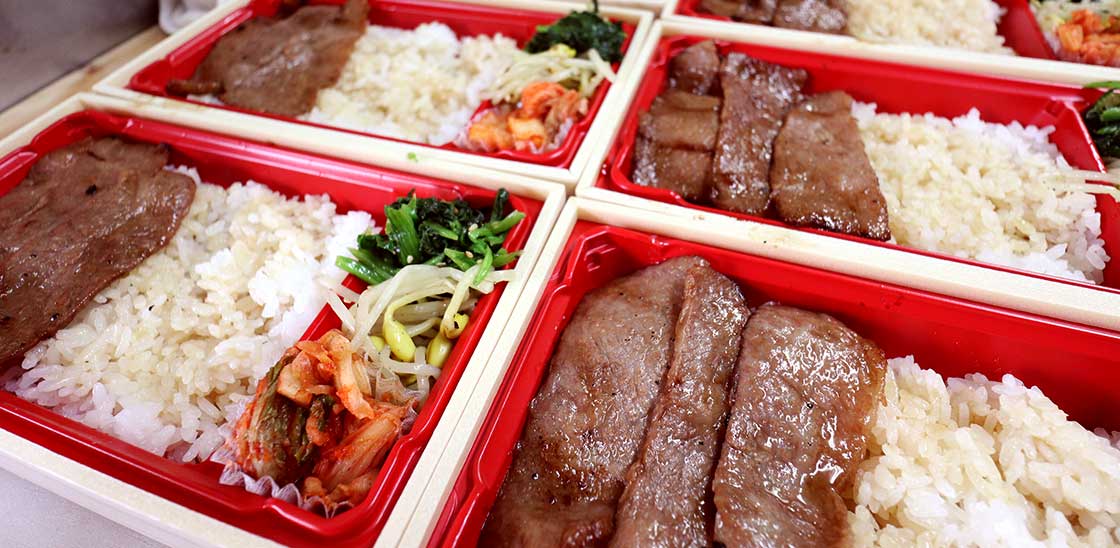
If you love food stories with a real regional identity, this one’s worth your time. It also gives Japanese learners a nice excuse to pick up words like 焼き (yaki, grilled; cooking by grilling), 肉 (niku, meat), 弁当 (bento, boxed meal; lunch box), and たれ (tare, sauce; especially a Japanese grill sauce) in a setting that actually sticks.
A Kanazawa Bento with Real Local Pride
Picture a narrow alley in Tokyo. Now swap the neon and ramen steam for Kanazawa’s calmer pace, where a 焼肉 (Yakiniku, grilled meat; Japanese barbecue) specialist turns takeout into something much more serious than a lunch box. Kanazawa Yakiniku Hitenryu is the name behind this bento, and the restaurant leans hard into regional meat, careful grilling, and old-school flavour.
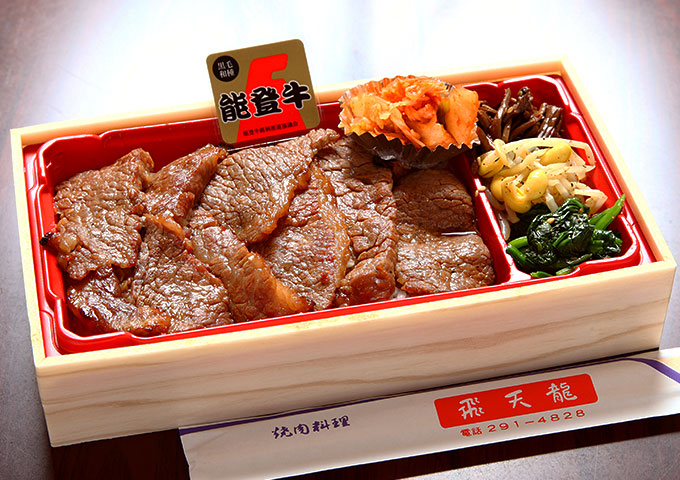
What many overlook is that a good bento isn’t just about convenience, it’s about balance. Rice, meat, sauce, and texture all have to work together, or the whole thing falls flat. Hitenryu seems to understand that, because this isn’t a random deli box, it’s a branded food experience with a clear point of view. My tip: if you ever visit Kanazawa, look at bento the way Japanese locals do, as a proper meal, not a backup plan.
For Japanese learners, this is also a nice cultural word set. Yakiniku means grilled meat, bento means boxed meal, and tare is the sauce that pulls everything together. Those words show up all over Japan, from station shops to department store デパ地下 (depachika, department store basement food hall) counters. Classic Japan, isn’t it?
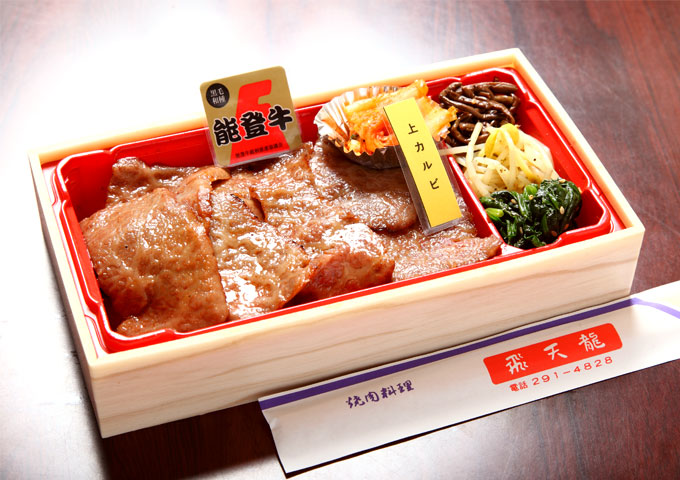
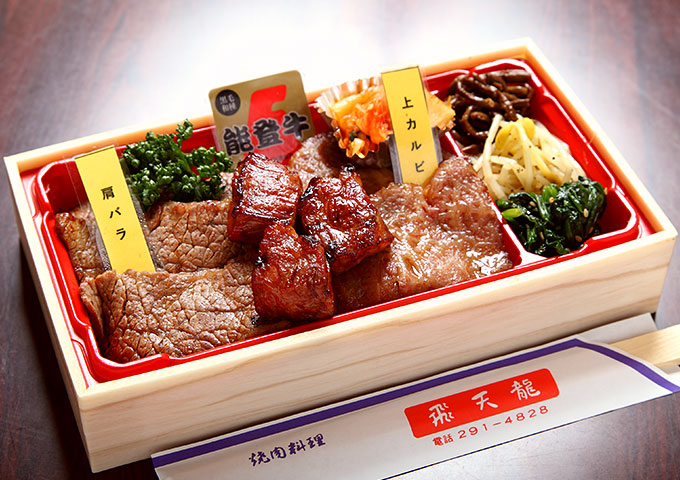
Certified Noto Beef and Noto Pork in One Box
No joke: the main attraction here is certified Noto beef. That matters, because Noto beef is tied to the Noto Peninsula in Ishikawa Prefecture, and certification is part of what gives the meat its identity and trust value. It signals origin, quality control, and local pride, not just a fancy label for the menu.
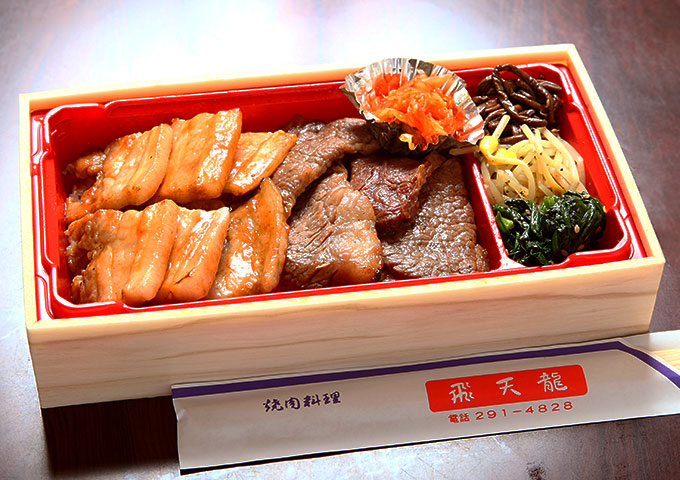
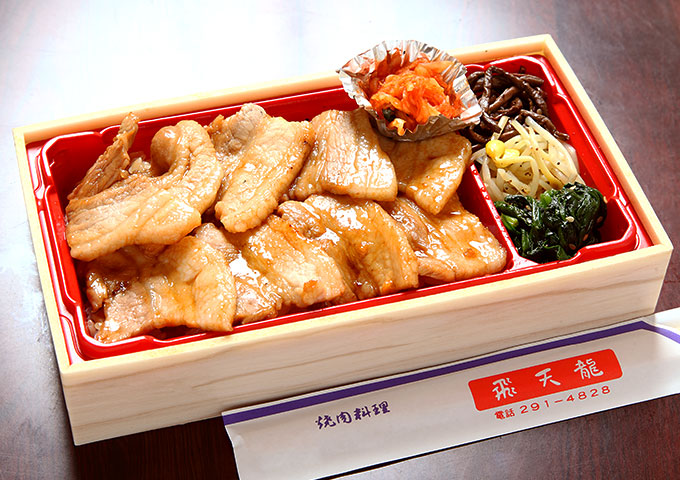
The bento also includes Noto pork, which gives the box a second layer of flavour and makes it feel more complete. Beef brings richness, pork adds a different kind of sweetness and depth, and together they create the kind of contrast that Japan does so well. No wonder, because Japanese regional food often works best when it lets one area show its character through several ingredients, not just one headline item.
That reminds me: many Japan fans first meet wagyu through big-name brands, but the regional stories can be even more memorable. Noto beef may not be as globally famous as some other wagyu names, but that’s part of the charm. It feels grounded, local, and tied to a place with a real food culture. Personally, that’s the sort of story I always prefer.
Why the meat matters
For travellers, the value isn’t only taste, it’s context. When a restaurant in Kanazawa puts Noto beef into a takeout bento, it turns local sourcing into something you can actually hold in your hand. That’s a very Japanese kind of pleasure, practical on the surface, but carefully polished underneath. From my experience, those are the meals people remember longest.
The 50-Year-Old Secret Blend Sauce
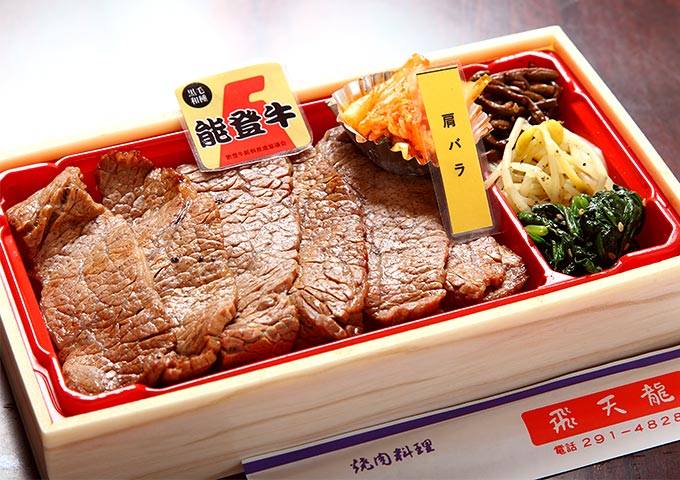
Speaking of which... the sauce is where Hitenryu really gets its emotional hook. The restaurant uses a secret blend and grill sauce that it says has been refined for 50 years. That kind of long-running tare is one of those details that food lovers immediately latch onto, because in Japan, sauce is never just sauce. It’s memory, routine, and family-style continuity in liquid form.
For a yakiniku bento, this matters even more. Sauce has to survive the trip, cling to the meat, and still taste good after a short wait, maybe even after a train ride or a walk back to the hotel. Pro tip: if you buy a bento like this, eat it before the rice gets too cold, but don’t rush it so much that you miss the aroma. The best part is that a great tare can make even a simple bite feel layered.
What I especially like is that a 50-year sauce story gives the bento some real personality. It tells you that the flavour wasn’t invented overnight for social media, it was built over time. That kind of continuity is one reason Japan’s food scene feels so satisfying to explore, especially for learners who want vocabulary tied to actual culinary habits. You remember tare, yaki, and bento faster when they come with a story.
Why Kanazawa Makes Sense for Gourmet Takeout
Compared to back home, Japanese takeout often feels more deliberate. Not heavier, not fancier for the sake of it, just more tuned in to packaging, temperature, and the eater’s experience. Kanazawa is a perfect city for this kind of food, because it already has a reputation for refined dining, crafts, and strong local ingredients.
Hitenryu fits that setting well. A yakiniku specialist offering certified Noto beef, Noto pork, and a long-running house sauce isn’t trying to be trendy, it’s leaning into a clear regional identity. Highly recommended: if you’re exploring Japanese food culture, pay attention to that mix of place, ingredient, and technique. It’s a big part of why even a simple bento can feel special.
For language learners, there’s a small bonus here too. Try mapping the menu terms in your head: yakiniku for grilled meat, niku for meat, tare for sauce, bento for lunch box. That little vocabulary chain makes Japanese food words easier to remember, because you’re linking them to a real product instead of a textbook list. Personally, I think that’s the smartest way to learn.
In pictures
Frequently Asked Questions
What makes this bento stand out?
It uses certified Noto beef, includes Noto pork, and is tied to a 50-year house sauce.
Where does this bento come from?
It is offered by Kanazawa Yakiniku Hitenryu in Kanazawa, Ishikawa Prefecture.
Is this a good choice for Japan food fans?
Yes, especially if you like regional ingredients and restaurant-made takeout with a strong local story.


