
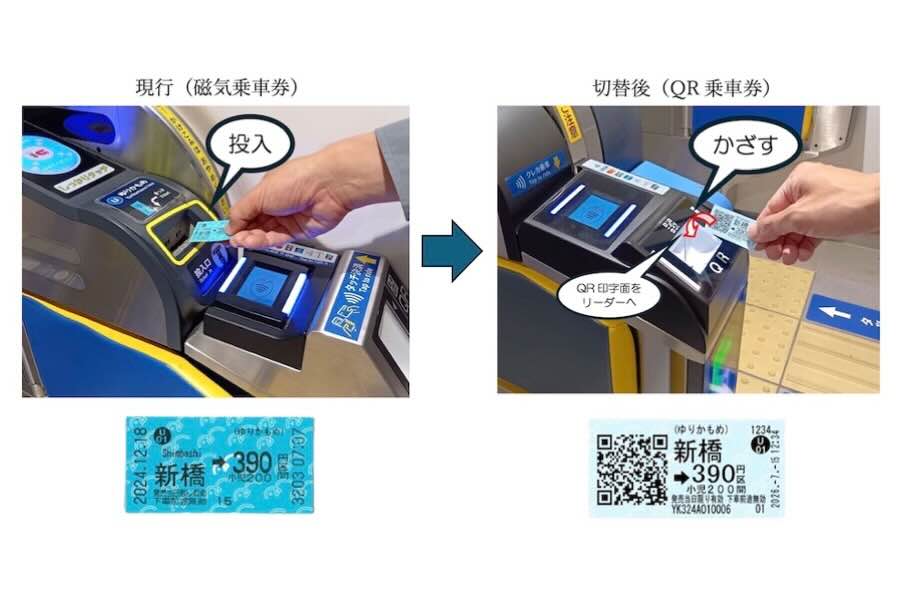
What I especially like is how practical this is. No drama, no big spectacle, just a cleaner way to board one of Tokyo’s most recognisable urban rail lines.



Yurikamome adds QR ticket sales from July 15
Yurikamome, the automated transit line that links Shimbashi with Toyosu, will start selling tickets by QR code from July 15. The announcement matters because this line isn’t some sleepy local branch, it serves one of Tokyo’s busiest sightseeing and business areas, including Odaiba and the waterfront around Tokyo Bay. Sounds weird, but it’s true: a tiny ticketing change can make a huge difference when you’re hauling luggage, navigating with a phone in one hand, and trying to catch the right platform before the doors close.
For Japan fans, this is also a nice reminder of how Tokyo keeps refining the everyday travel experience. The city is already famous for IC cards like Suica and Pasmo, but QR-based ticketing gives riders another option, especially people who may not have a Japanese transit card yet. On a related note, QR systems are becoming more common across Japan, and each new rollout makes the network feel a bit more flexible. And there’s more.
How the new Yurikamome QR ticket system works
Basically, instead of buying a paper ticket from a machine and feeding it into a gate, passengers can purchase a ticket on a compatible device and show a QR code at the gate. That means less time staring at button screens and less guesswork for first-time users. If you’ve ever seen a station machine with a dozen fare options and thought, “Which one is right?”, you’ll probably appreciate this.
The best part is that it should be especially useful for tourists heading to Odaiba, Tokyo Big Sight, or the bay area hotels. Yurikamome is already popular with visitors because it offers great views of the Rainbow Bridge and the waterfront skyline, and this update makes the line feel a little more international. Compared with back home, Tokyo’s rail system has often felt incredibly efficient, but it can still be intimidating at the machine stage. QR tickets trim that friction. From my experience, that’s where Japan’s transport upgrades matter most, not in flashy announcements, but in those tiny moments when you’re trying to get from A to B without stress.
Why this matters for Japanese learners
Know that feeling when you can understand a sentence in Japanese, but a ticket machine still looks like a puzzle? That’s normal. Learning travel vocabulary helps a lot, especially words like 切符 (kippu, ticket) for ticket, 改線 (kaisen, line change) for a line change, and 乗り場 (noriba, boarding area) for boarding area. If you’re studying Japanese, Tokyo stations are basically live language practice, except the stakes are catching the train instead of passing a quiz. And it gets better: once you know a few key words, transit stops feeling mysterious and starts feeling readable.



Why Yurikamome stands out in Tokyo transport
Yurikamome is more than just a convenient line, it’s part of the Tokyo experience. The train is driverless, runs above the streets, and glides through a part of the city that still feels modern and experimental. Imagine a narrow alley in Tokyo. Now replace that with a clean elevated route over wide roads and water, and you get the general feeling of the Yurikamome ride. It’s one of those lines people remember, not only because it gets them somewhere, but because the journey itself feels like a mini attraction.
Speaking of which, the line connects well with major destinations that matter to visitors, including Odaiba’s shopping and entertainment areas. It also links into Shimbashi, which gives riders access to the wider Tokyo rail web. That connection is what makes the new QR ticketing so useful, because it’s not just a local convenience, it can affect how travellers move across the city. Simply brilliant.
What riders should expect next
There’s a strong chance this QR setup will be welcomed by both commuters and tourists, especially people who prefer digital payment and don’t want to buy a physical ticket every time. My tip: if you’re planning a Tokyo trip, keep an eye on which lines accept QR tickets, because these systems are still spreading unevenly across Japan. Tokyo often leads the way, and Yurikamome’s July 15 start fits that pattern nicely. That’s why these updates matter, they make the city a little easier to read, one station at a time.
For Japan enthusiasts, this is also a good example of how modern life and language learning overlap. A transit notice about QR codes might not look like study material, but it teaches you real-life context, current station vocabulary, and how Tokyo keeps adapting without losing its orderly feel. Wild, isn’t it? The smallest changes can say a lot about how Japan moves. But that’s not all.
Want to keep up with more stories like this? more Japan news on jpnerd.com
Frequently Asked Questions
When does Yurikamome start QR ticket sales?
Yurikamome starts QR ticket sales on July 15.
Where does Yurikamome operate?
It runs in Tokyo, connecting Shimbashi and Toyosu, with access to Odaiba and the Tokyo Bay area.
Why is this useful for visitors?
It makes ticket buying simpler and reduces the hassle of using station machines, especially for first-time riders.


