
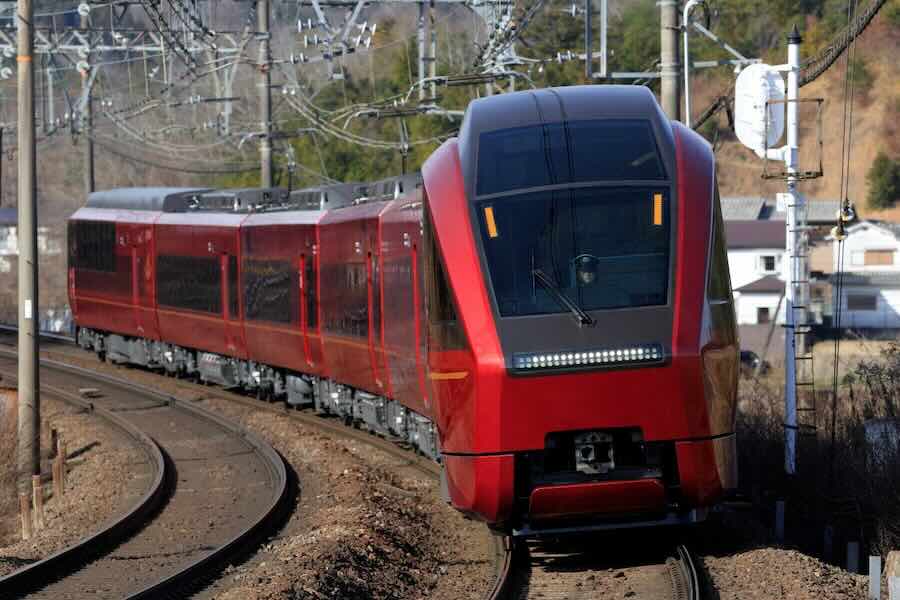
That sounds strange, but it’s also very Japanese in the best possible way, part transport, part meal, part slow-burn travel story. If you like train names, station trivia, and bento culture, this one’s worth a closer look.
Kintetsu, Hinotori, and the appeal of a midnight rail run
Why are Japan fans so drawn to a train plan like this? Because it mixes three things people already love: a named express service, a station stop with a weirdly long waiting time, and a bento that feels tied to the route itself. Kintetsu’s Hinotori already has a strong reputation as a sleek limited express on the Osaka and Nagoya side of things, so putting it in a midnight setting gives the whole idea a different mood.
The reason’s simple: Japan rail travel is often about the details, not just the destination. A late-night special run feels half practical, half theatrical, and that mix is hard to resist. For language learners, this is also a nice chance to notice words like tokkyu for limited express, teishi for stop, and bento for boxed meal. My tip: when you read Japanese travel news, keep an eye on these service names, because they usually tell you a lot about the experience before you even board.
What makes the midnight Hinotori stand out
Take the midnight Hinotori, for instance. The headline detail is not just that it runs late, it’s that Nabari Station is planned as a stop of about four hours. Four hours isn’t a quick transfer, and it’s not the kind of platform pause you forget in five minutes. It changes the whole rhythm of the trip.
Here’s the catch: a long stop like that invites curiosity. Is it for operational reasons, crew scheduling, a special event feel, or something else tied to the service plan? Whatever the exact reason, the result is the same, passengers get a rail experience that feels unusually staged. Wild, isn’t it? On many Japanese trains, the announcement boards and platform atmosphere are part of the charm, and a long nocturnal pause only makes that more noticeable.
Nabari Station and the four-hour wait
Nabari Station sits in Mie Prefecture, and for many travellers it’s the sort of place they pass through rather than linger at. That’s why a four-hour halt stands out so much. Instead of a normal connection window, you get a block of time that feels almost like a mini overnight layover, just on rails.
I still remember exactly how Japanese stations can feel after the last commuter rush, quiet but not empty, with vending machines humming and the platform lights doing most of the work. A four-hour stop at night has that same atmosphere, only amplified. Trust me on this one: if Kintetsu actually turns this into a bookable or ticketed special, a lot of rail fans will care less about speed and more about the story attached to the stop. Personally, that’s the kind of rail memory people talk about for years.
Iga Beef Shigureni Bento and why the meal matters
What’s on the menu matters just as much as the train. The planned Iga beef shigureni bento brings a strong regional angle to the whole event, and that’s where the story gets especially tasty. Shigureni usually means meat simmered in soy sauce, mirin, and sugar, so you’re looking at a sweet-salty comfort flavour that works perfectly in a boxed meal.
Oh, almost forgot: Iga beef is a local brand of wagyu from the Iga area, also in Mie Prefecture. That makes the bento more than a snack, it becomes a regional product tied to place and route. Japanese rail companies have long used ekiben to turn station food into part of the journey, and this is exactly that idea pushed into a more special format. No joke: for Japan food fans, a themed bento can be just as exciting as the train itself.
Ekiben culture, in plain English
Before I forget: ekiben are station or train bento sold for travel, and they’re a huge part of rail culture in Japan. Some focus on seafood, some on local pork, some on seasonal ingredients, and the best ones reflect the area you’re crossing. That’s why an Iga beef shigureni bento makes so much sense here, because it links the meal to Mie’s identity rather than treating it as generic onboard catering.
For learners, this is also a good vocabulary moment. Bento is obvious enough, but words like gochisousama after a meal, or umai when you want to say something tastes great, pop up all the time in real travel talk. Sounds weird, but it’s true: food vocabulary sticks faster when you connect it to a real train story instead of a textbook list. My verdict: this bento is the kind of detail that makes a rail article memorable.
Why Japan fans love rail-meal mashups like this
What I especially like about this Kintetsu plan is the mix of precision and playfulness. A midnight Hinotori, a Nabari Station pause of around four hours, and a regional beef bento all belong to the same world, but they still feel pleasantly unexpected when put together. That’s the sweet spot for Japan niche content, the kind of thing you see once and immediately want to tell another fan about.
That brings us to the bigger picture. Japan rail travel is full of small rituals, from platform timing to train branding to ekiben collecting. When a company like Kintetsu leans into that, the trip stops being just transportation and starts feeling like an event. For fans who enjoy reading Japanese travel announcements in romaji, this is a nice reminder that real-world vocabulary often appears in compact, practical forms, not neat lesson dialogues. Wait, there’s more.
If you enjoy this kind of Japan news, keep browsing the rail and food corners of the site, because this is exactly where travel culture gets really interesting. And if you want more updates like this, check out more Japan news on jpnerd.com.
Frequently Asked Questions
What is special about this train plan?
It combines a midnight limited express, a long station stop, and a regional bento meal, which makes the trip stand out from a normal rail ride.
Why is Nabari Station getting attention?
The planned stop is about four hours long, which is far longer than a typical station halt and makes the schedule unusual.
What is an ekiben?
An ekiben is a boxed meal sold for train travel, often made with local ingredients and tied to a specific region.


