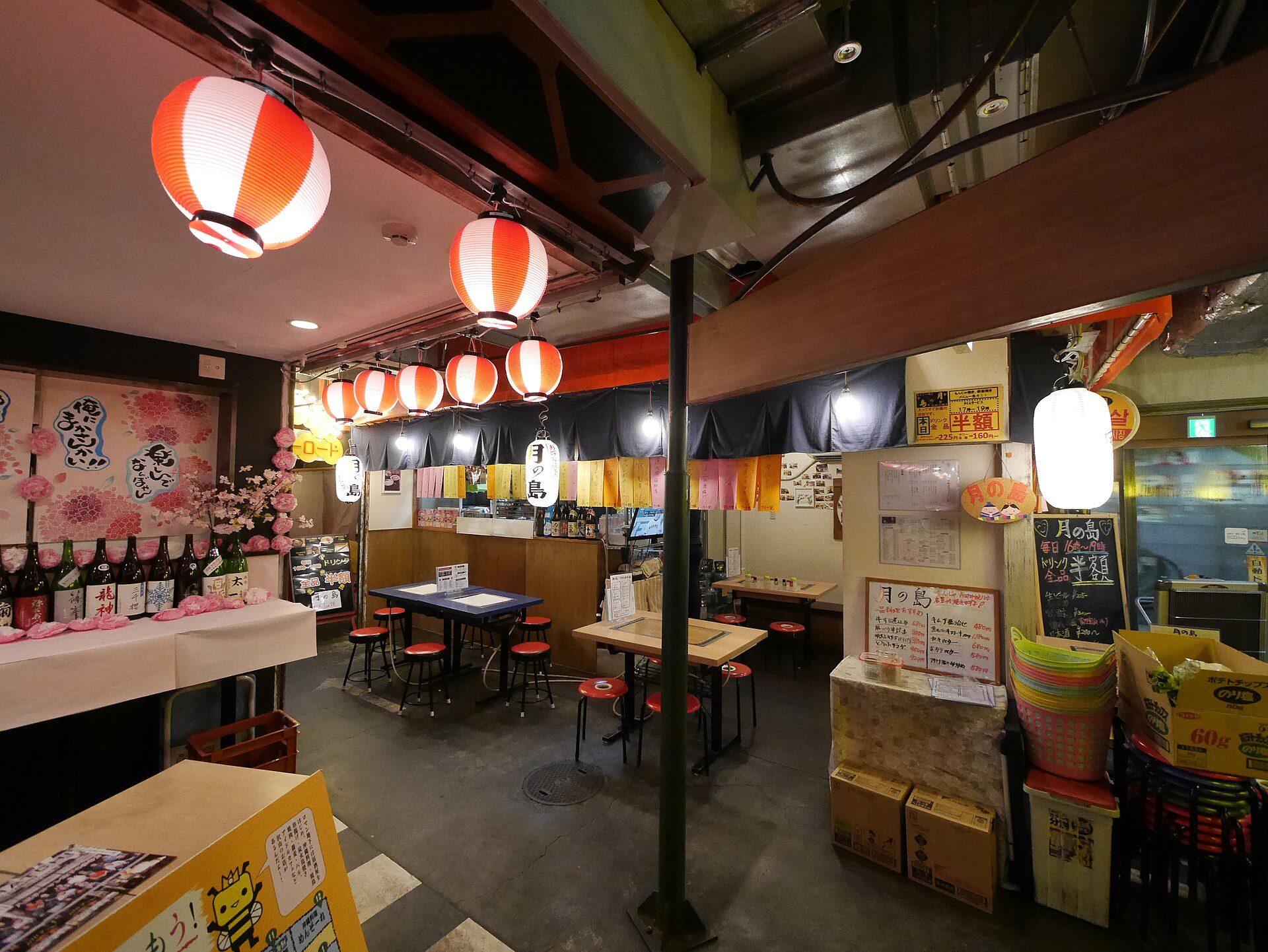
What makes this kind of role interesting is how grounded it feels. It’s not a flashy Tokyo story, it’s a practical job in Saitama, and that’s exactly why it matters.
A part-time 居酒屋 (izakaya, Japanese pub) job near Mizuhodai Station gives you a very clear picture of what work life in Japan can look like outside the big-city spotlight. For Japanese learners, it’s also a handy window into everyday phrases, restaurant manners, and the rhythm of a neighbourhood shift. Guess what? That’s often where the real language practice happens.
This kind of job sits right at the intersection of commuting, customer service, and local dining culture. Seriously though, if you want to understand how Japan runs on small, repeatable routines, an izakaya shift near a station like Mizuhodai is a pretty good place to start. From my experience, that’s where language becomes useful very quickly.
Mizuhodai Station and the local work scene
Mizuhodai Station is in Fujimi, Saitama, on the Tobu Tojo Line. It’s not a tourist magnet, and that’s exactly the point, because it serves daily life, not travel brochures. Commuters pass through, locals shop nearby, and businesses around the station depend on regular evening traffic.
That matters for a part-time job. A station-area izakaya usually sees a steady flow after work, especially from around 5:30 p.m. to 10:00 p.m. On a related note, jobs near suburban stations often feel more predictable than downtown nightlife work, since the customer base is more local and the peak hours are easier to plan around. Sounds good, right?
For learners, station names are a useful bit of vocab too. 駅 (eki, station) means station, 北口 (kita-guchi, north exit) means north exit, and 右側 (migi-gawa, right side) means right side. You won’t just hear these in job ads, you’ll hear them in real directions from coworkers, customers, and shop owners. Wait, there’s more.
What working part-time in an izakaya is really like
An izakaya is a casual Japanese pub, but that word doesn’t quite cover it. It’s a place for beer, sake, grilled skewers, fried snacks, and long conversations after work. The atmosphere can be lively, but the work is often surprisingly structured. Let me show you why that matters.
Hall and kitchen duties
At a typical part-time izakaya job, hall staff take orders, bring drinks, clear dishes, and handle the cash register. Kitchen staff prep ingredients, plate food, wash dishes, and keep timing tight when the dinner rush hits. Here's the kicker: many jobs split these roles clearly, so you can often choose the side that fits your strengths.
The listing that inspired this article offers an hourly wage of 1,141 yen, with hand-cash payment. That’s a very concrete detail, and it tells you this is a practical, local-level role rather than a corporate chain setup. For many workers, especially students or language learners, that kind of straightforward pay structure is easy to understand. Wild, isn't it?
You’ll also run into key workplace phrases like お願いします (onegaishimasu, please) when asking for help, お客様 (okyakusama, customer; guest) for customer, and お疲れ様です (otsukaresama desu, thanks for your hard work) when greeting coworkers at the end of a shift. My tip: learn those before your first day. They’re small phrases, but they smooth out everything. Simply brilliant.
Why this part-time job is useful for Japanese learners
Know that feeling when textbook Japanese sounds fine, but real people speak faster, softer, and with more shortcuts? An izakaya job near Mizuhodai Station can close that gap fast. You hear natural greetings, rushed instructions, and polite customer service language, all in one evening.
That makes the job useful in a very direct way. You practise honourific basics, timing words, and food vocabulary like nama for draft beer, osusume for recommendation, and osake for alcohol. And it gets better: you also learn how tone changes depending on whether you’re speaking to a customer, a senior coworker, or the manager. That's why real workplace Japanese sticks better than flashcards.
There’s also a cultural layer here. Japanese service work values speed, quiet coordination, and a lot of invisible effort. People clean constantly, check tables without making a scene, and keep apologising even when things are going smoothly. For learners, that behaviour is a lesson in itself. It’s worth paying attention to the small gestures, not just the words.
Let’s be honest: a part-time izakaya shift won’t make you fluent overnight. But it can make you more comfortable with real-world Japanese faster than many classroom activities. If you like Japan because of everyday life, not just anime or travel, this sort of job experience feels especially relevant. From my experience, that kind of practice sticks.
What the evening shift near Mizuhodai teaches you about Japan
A suburban izakaya near Mizuhodai Station shows how Japanese work culture often depends on timing, teamwork, and consistency. One person handles drinks, another clears plates, another checks the next table, and everyone moves with a kind of quiet rhythm. It’s not flashy, but it’s efficient.
That’s also why the location matters. Near a station, the flow of customers changes with train schedules, rainy weather, payday weekends, and school holidays. A quiet Tuesday can feel very different from a Friday after 6:00 p.m. For anyone learning Japanese, that changing pace is a chance to hear how people adjust their language in real situations.
And if you’re thinking about part-time work in Japan, this kind of role is a realistic example of what many foreigners actually apply for first. The hours are manageable, the job is clear, and the vocabulary is practical. You won’t just be studying Japanese, you’ll be using it to solve actual problems. That’s a strong feeling, and it keeps motivation high. Sounds good, right?
Frequently Asked Questions
What kind of job is an izakaya part-time role?
It is usually a restaurant or pub job involving table service, drinks, cleaning, or kitchen support.
Why is a station-area location important?
Station areas bring steady foot traffic from commuters and local customers, especially in the evening.
Is this kind of job useful for language learners?
Yes. It gives you repeated practice with polite speech, workplace routines, and everyday customer phrases.