From old cinema to izakaya in Nara Shopping Street
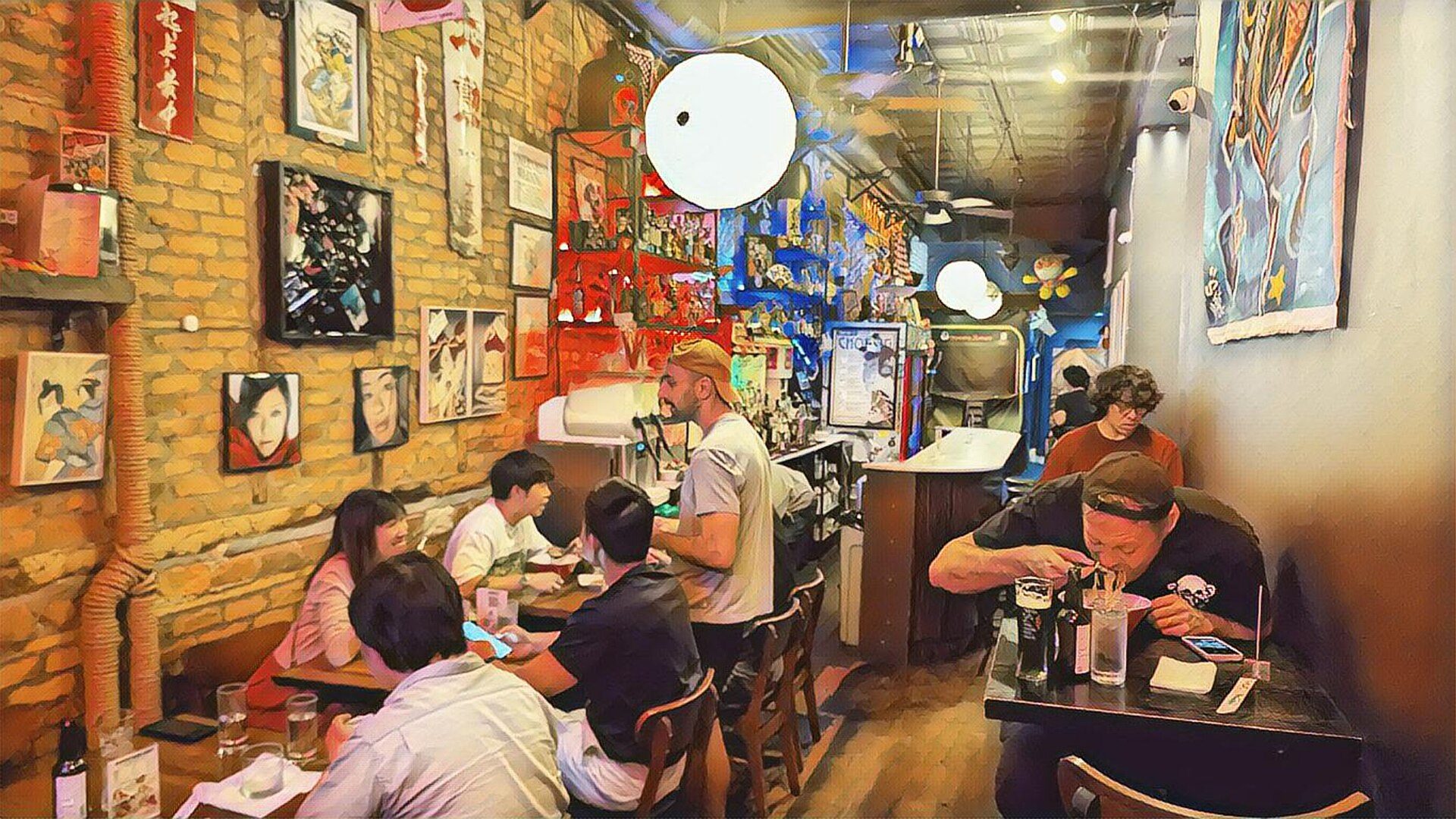
Did you know an old cinema can become one of the most interesting urban revival stories in Japan? In Nara Shopping Street, a former movie theatre has been converted into a Japanese 居酒屋 (izakaya, Japanese pub), and the result is far more than a simple renovation. The project, featured by Tecture, keeps the memory of the original building alive while giving it a completely new role in daily life.
Unlike what we’re used to in many cities, where a dead cinema often gets flattened or left to decay, this one was reimagined as a place for food, drinks, and conversation. That shift matters. In Japan, reuse is often about protecting atmosphere, not just saving walls. Classic Japan, isn’t it?
Nara Shopping Street itself adds a lot to the story. It’s a place with foot traffic, local shops, and that slightly nostalgic covered-street feeling many Japan fans know from older arcade districts. Put a revived building there, and suddenly the street gets another reason to stay busy after dark. Personally, I love that kind of city move.
The Tecture project and the tricky floor
No exaggeration: the biggest design challenge was the building’s large sloping floor, left over from its cinema days. A movie theatre needs sightlines, so the ground plane rises sharply towards the back. For an izakaya, that’s a headache. Tables need stability, staff need workable circulation, and guests need to sit without feeling like they’re sliding downhill.
Why the slope matters
To be fair, this isn’t just a cosmetic problem. A steep floor affects everything from seating layouts to accessibility. The designers had to work with the existing structure instead of pretending it wasn’t there, and that’s where the project gets clever. Rather than forcing the cinema into a normal restaurant box, they embraced the odd geometry and made it part of the experience.
Quick detour: this is one reason Japanese adaptive reuse is so exciting. You’ll often see old houses become cafes, warehouses become galleries, or stations become community spaces. But an old cinema becoming an izakaya is a stronger twist, because the social function changes so dramatically. A place once built for watching becomes a place built for talking. Wild, isn’t it?
The Tecture team appears to have treated the floor not as a defect, but as evidence of the building’s former life. My tip: if you visit this kind of project, look down as well as up. The slope, the thresholds, the level changes, they’re all part of the story. Japanese architecture often rewards that kind of attention. Personally...
Why this kind of urban revival works so well
While we're at it, let’s talk about the bigger picture. Japan has plenty of underused buildings, especially in shrinking shopping streets and regional city centres. When a cinema closes, the loss isn’t just commercial, it’s emotional. That’s why turning an old cinema into an izakaya feels so smart in Nara Shopping Street: it restores use, preserves memory, and keeps the street human.
There’s also a cultural fit. An izakaya is not just a bar, it’s a social room. Office workers stop in for beer and 焼き鳥 (yakitori, grilled chicken skewers), friends share small plates, and the atmosphere tends to be casual, warm, and slightly loud in the best way. If you’re learning Japanese, that word itself is worth remembering: izakaya. It’s one of those terms that carries a whole lifestyle with it, not just a menu.
Seriously though: this project is a reminder that architecture can be gentle and imaginative at the same time. It doesn’t shout, “Look at me.” It says, “Let’s keep this building useful.” That’s a very Japanese kind of solution, especially in places where local identity matters as much as new construction. Wait, there’s more.
What Japan fans and language learners can notice here
Guess what? This story is also great for Japanese learners because it connects vocabulary to real urban life. The word izakaya, for example, is easy to memorise once you connect it with the idea of an after-work gathering spot. Then there’s 町 (machi, town; neighborhood), meaning town or street area, which helps explain why shopping streets like Nara Shopping Street are so important in Japan.
Also, if you’re into architecture or city walks in Japan, this kind of project teaches you how reuse works in practice. Instead of building from zero, designers often adapt what is already there. That can mean preserving signboards, changing interiors, or working around awkward elements like a large sloping floor. It’s not polished in the Western showroom sense, and that’s exactly the point.
If you enjoy Japan’s quieter urban stories, this is the kind of place to pay attention to. An old cinema, a shopping street, and a Japanese izakaya all come together in one building, and the result feels rooted, not staged. That’s the sort of revival that can give a district a real second life. Convinced yet?
Frequently Asked Questions
Where is the project located?
It is in Nara Shopping Street in Nara, Japan.
What was the building before the conversion?
It was an old cinema before being transformed into an izakaya.
What made the renovation difficult?
The large sloping floor from the former cinema layout created a major design challenge.