
For Japan fans, this comeback hits a sweet spot between old-school 3DS nostalgia and current online culture. Let me show you why this revival feels bigger than a simple remake rumour.
![Dragon Ball Z: Kakarot [Master Edition]](https://s.pacn.ws/1/p/1eh/dragon-ball-z-kakarot-master-edition-908785.1.jpg?v=t8ja8t&width=400)

Tomodachi Life’s comeback is more than nostalgia
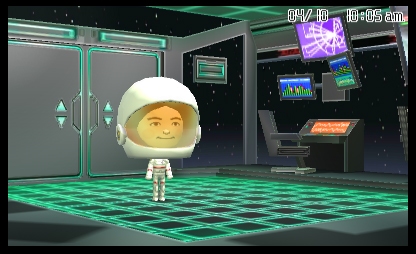
友達 (tomodachi, friend) Life has always been one of those Nintendo games that people remember with a grin. You made tiny Mii-style characters, dropped them into an apartment building, and watched bizarre little stories unfold, from awkward friendships to oddball romances. Basically, it was a social-sim sandbox with a strong comedy streak, and that’s exactly why it stuck.

Did you know the original Nintendo 3DS release, Tomodachi Life, sold 3.8 million copies worldwide? That’s a serious number for a game that never chased blockbuster flash. The reason is simple: it felt personal, silly, and deeply shareable, which made it perfect for clips, screenshots, and later, social media reactions. Sounds good, right?
Compared with back home, where life sim games often lean towards cosy routines, Tomodachi Life always felt more like a strange little variety show. Your island residents could sing, argue, confess feelings, or just act completely unhinged. That mix of routine and randomness is a huge part of the appeal, and it helps explain why fans never really let it go. See what I mean?

The VTuber wave gave Nintendo’s cult hit a second life
No joke: one of the biggest reasons Tomodachi Life is trending again is the VTuber community. VTubers already live inside a very performative digital space, so a game built around expressive avatars and ridiculous interpersonal drama feels like a natural fit. For example, fans love imagining their favourite streamers recreated as Miis, then watching the game turn them into a tiny soap opera.
Here's the kicker: the comeback buzz exploded online after Nintendo’s announcement video drew huge engagement, including more than 403K likes. That kind of reaction isn't just fan excitement, it’s a signal that the audience for this series is still alive and loud. On a related note, VTuber culture thrives on remixing identity, and Tomodachi Life does that in a very Nintendo way, light, playful, and a little bit absurd.
While we're at it, this is where Japanese internet culture makes the whole story even more interesting. The word mii may be familiar to gamers, but the social comedy around “who gets paired with whom” echoes the kind of reaction-driven humour you often see in Japanese online communities. If you’re learning Japanese, this is a fun place to pick up phrases like 面白い (omoshiroi, interesting; funny) for “interesting” or 煩い (urusai, noisy; annoying) in the playful, noisy sense, because that’s exactly the energy Tomodachi Life has always had. This is my absolute hidden gem!

Why Tomodachi Life works so well for Japan fans
Let me show you why this game connects so strongly with people who love Japan. Tomodachi Life sits at the crossroads of Nintendo polish, everyday Japanese humour, and the slightly surreal charm that fans of anime, idols, and livestream culture already know well. The apartment setting feels ordinary, but the behaviour inside it is anything but.
It’s a perfect game for language learners too
My tip: use Tomodachi Life-style content as a listening and reading warm-up, even if you’re not playing the game in Japanese. Fan clips, reaction posts, and stream summaries often use very basic words around relationships, food, moods, and daily routines. Terms like ご飯 (gohan, rice; meal), 元気 (genki, energetic; healthy), 可愛い (kawaii, cute), and tomodachi come up constantly in Japan-related fan spaces, so you can reinforce vocabulary without feeling like you’re studying.
Let’s be honest: language learners remember words better when they’re attached to a weird little moment. If a Mii starts singing badly or proposing at the wrong time, you’re not just seeing a joke, you’re creating a memory hook. That’s why fandom culture can be such a useful study environment, especially for learners who get bored with dry textbook dialogues. Sounds weird, but it’s true.

What the sales and social numbers tell us
Tomodachi Life selling 3.8 million copies tells us this was never a niche experiment in the small sense. It was a quietly massive hit, especially for a series that did not rely on combat, open worlds, or constant updates. Nintendo understood that humour, replayability, and user-generated stories could carry a game far, and the current VTuber reaction proves that logic still works.
At the same time, 403K likes on a teaser or announcement is the kind of number that usually belongs to huge franchise drops, not cult revivals. That makes the response especially revealing. It suggests a cross-generational audience, older fans who played on 3DS, and younger internet users who discovered the game through VTuber clips, memes, and nostalgia feeds. For example, a lot of these fans never touched the original cartridge, but they still recognise the format instantly.
What I especially like is that this revival doesn’t feel forced. Nintendo didn’t need to reinvent the entire concept. It just needed to remind people that Tomodachi Life still has a personality, and personality travels well online. From my experience, that’s what separates a short-lived announcement spike from a revival that actually matters.
In pictures


Frequently Asked Questions
What is Tomodachi Life?
It is a Nintendo life-simulation game where player-created characters live together, build relationships, and trigger silly events.
Why is Tomodachi Life trending again?
The game is getting renewed attention thanks to nostalgia, VTuber fandom, and strong social media engagement.
How many copies has Tomodachi Life sold?
The game has sold 3.8 million copies worldwide.
For more Japan culture and gaming updates, check out more Japan news on jpnerd.com.


