
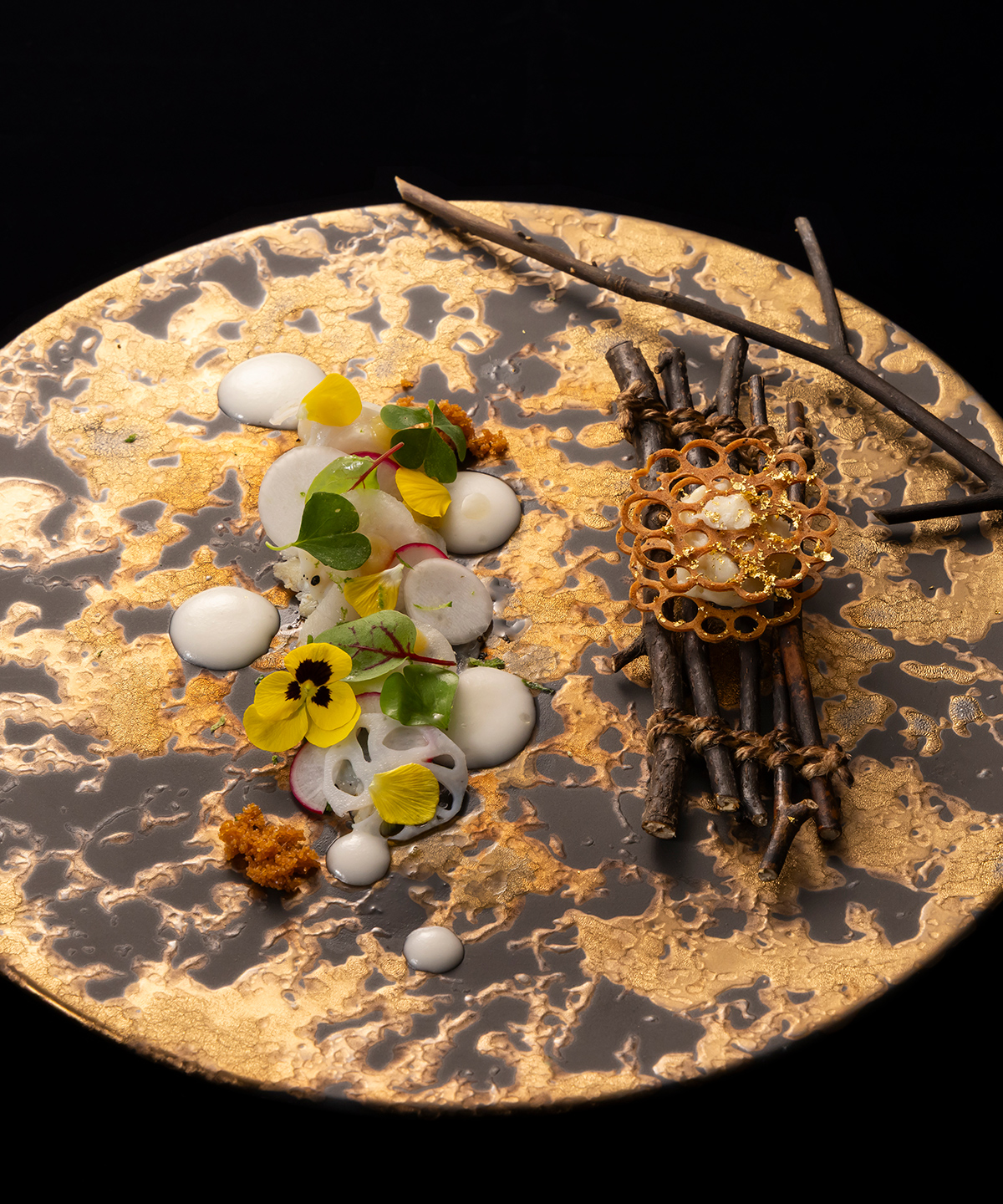
Hand on heart: if you like Japan travel with a food angle, this is the kind of place that stays in your memory. It’s part island stay, part local showcase, and well worth a closer look.
Sado Island dining with a real sense of place
Did you know that Sado Island, or Sado-ga-shima, is one of Niigata Prefecture’s most talked-about food and travel destinations? It’s remote enough to feel special, but close enough to the mainland to keep strong ties with regional ingredients, sea culture, and a very Japanese sense of seasonality. That mix matters here, because La Plage isn’t trying to be a random French restaurant dropped into nowhere. It belongs to the island.
Basically, when people talk about Sado, they often mention gold mines, 太鼓 (taiko, Japanese drum), or the dramatic coastline. Food deserves a bigger place in the conversation. The reason is simple: islands always teach you something about how geography shapes taste, and Sado is no exception. Classic Japan, isn’t it?
Ryokan Urashima and the setting for La Plage
Know that feeling when a restaurant becomes more interesting because of where it is, not just what it serves? That’s exactly what happens with La Plage at Ryokan Urashima. The ryokan itself is a major part of the experience, because it frames dinner as something calm, scenic, and a little ceremonial. You’re not just walking into a dining room, you’re entering a place with an island rhythm.
By the way, ryokan culture still matters a lot to Japan fans, because it shows how hospitality and place work together. A ryokan stay usually means 畳 (tatami, straw mat flooring), seasonal meals, and a slower pace. At Urashima, that atmosphere gives La Plage a strong identity. It feels rooted in Sado, even though the cuisine is French.
A French restaurant, but not in a stiff way
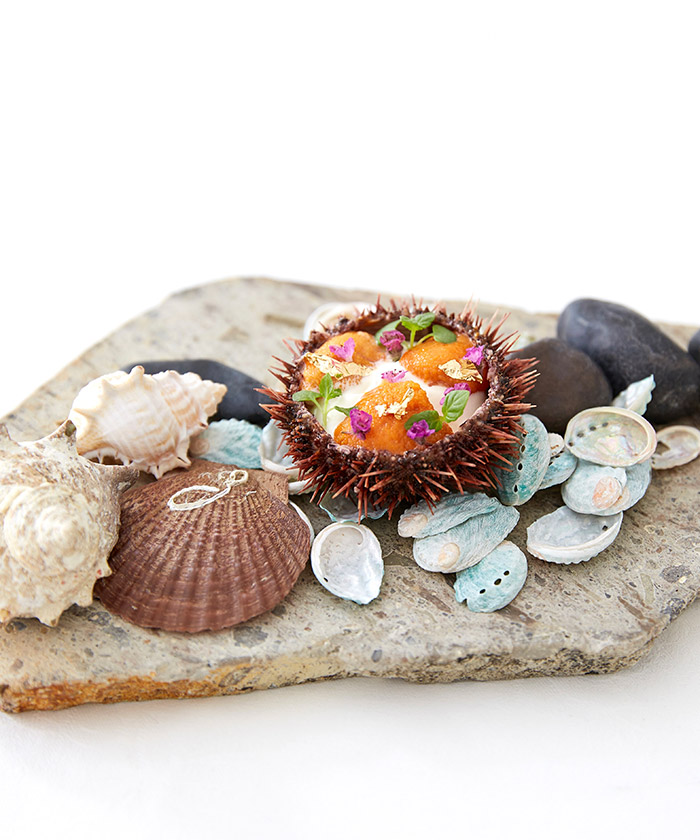
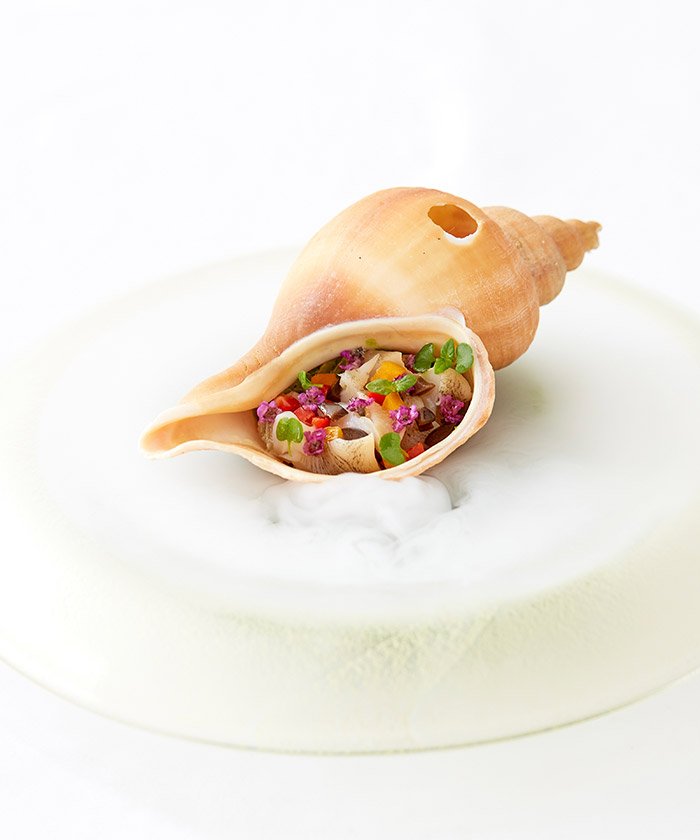
Fun fact: French dining in Japan often becomes deeply local very quickly. Chefs here love to use nearby fish, vegetables, and shellfish, then shape them with classic French technique. La Plage follows that spirit, and that’s what makes it interesting for learners and travellers alike. You can look at the menu and start spotting both cultural layers at once.
If you’re studying Japanese, this is also a nice place to think about food vocabulary. Words like 料理 (ryori, cuisine; cooking), 懐石 (kaiseki, formal multi-course meal), 刺身 (sashimi, sliced raw fish), and seasonal terms such as 旬 (shun, peak season) come up a lot in Japanese food writing, even when the cuisine itself isn’t Japanese. That tells you something important: in Japan, food is often discussed through season and setting, not only through category. My tip is to pay attention to that when you read menus or travel blogs.
Chef Sudo as the clear protagonist
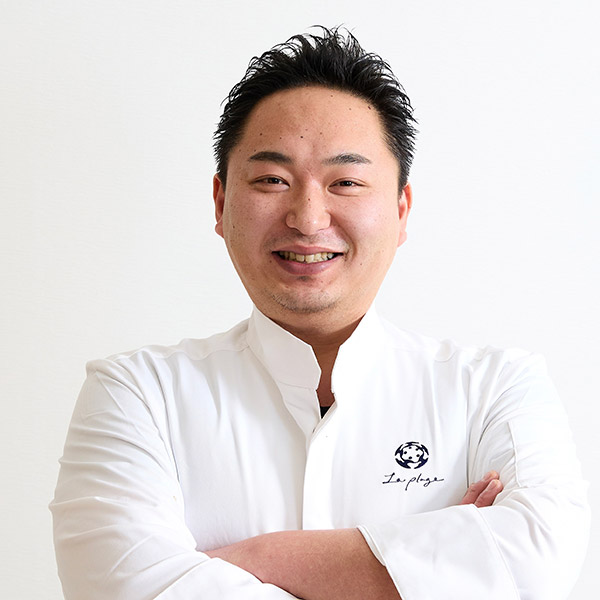
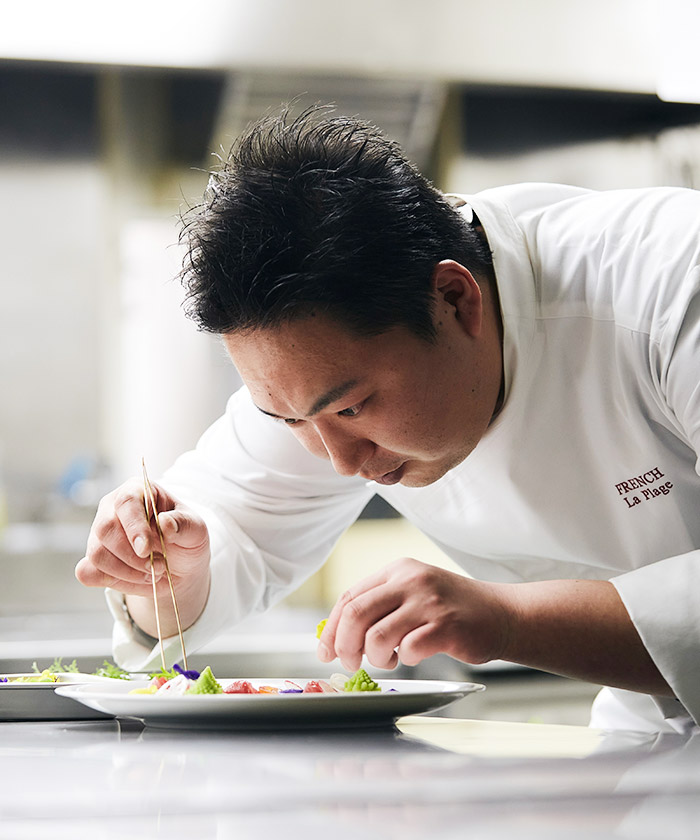
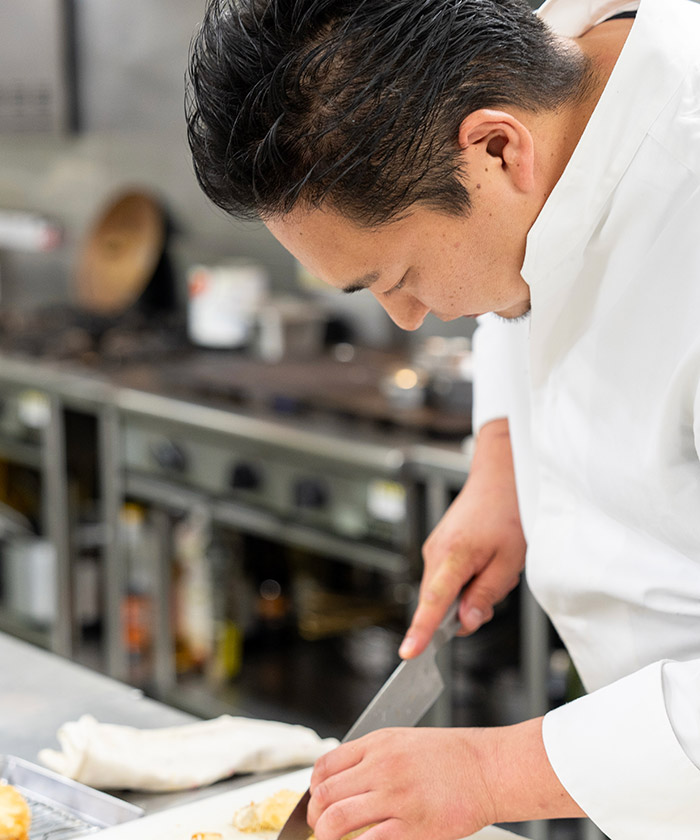
Here’s the deal: every memorable food story needs a person at the centre, and at La Plage that person is Chef Sudo. He is the clear protagonist of this island narrative. Not the island alone, not the ryokan alone, not even the French concept alone. It’s his hand that connects them all.
What I especially like is how a chef like Sudo gives a restaurant its voice. In Japan, chefs are often treated almost like storytellers, and that’s especially true in places far from the big-city restaurant scene. On Sado, that role becomes even more visible, because the island setting naturally asks for a strong point of view. Sounds weird, but it’s true.
Chef-led dining also helps explain why people remember one restaurant more than another. The same island ingredients can feel completely different depending on who chooses them, how they’re plated, and how they’re paired. Sudo’s presence turns La Plage into more than a hotel restaurant. It becomes a destination in its own right. My verdict:
What Sado Island tells us about Japanese food travel
Ever wondered why some Japan trips feel richer when they include one very specific meal? This is that kind of experience. Sado Island already offers strong scenery, local history, and a slower pace than Japan’s big cities. Add a French restaurant inside a ryokan, with Chef Sudo as the face of the kitchen, and you get a compact little lesson in modern Japanese travel culture.
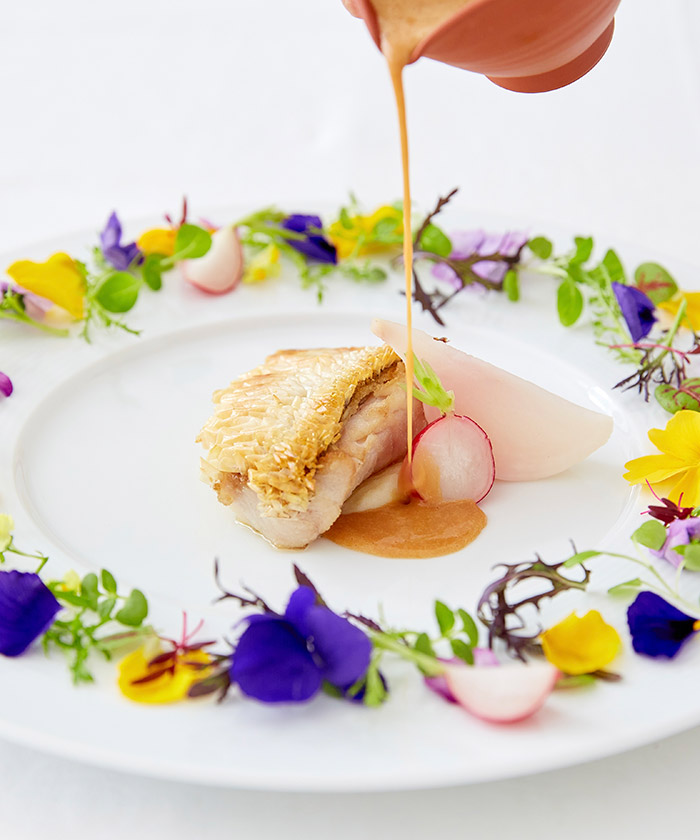
For Japan fans, that’s a great reminder that Japanese food culture isn’t locked inside one style. It moves. It borrows. It adapts to place. And on Sado, that adaptation feels especially elegant because the island setting gives it a clear frame. There’s no need to force the story. It tells itself.
If you’re building your own Japan travel list, I’d put this on the same shelf as places that show how local identity and cuisine feed each other. You don’t need to know every French technique to appreciate it, either. You just need curiosity, a bit of appetite, and maybe a notebook for the words you pick up along the way. Personally...
In pictures
Frequently Asked Questions
Where is La Plage located?
La Plage is inside Ryokan Urashima on Sado Island in Niigata Prefecture.
What kind of restaurant is La Plage?
It is a French restaurant with a strong local island identity.
Why is Chef Sudo important?
Chef Sudo is the main figure shaping the restaurant’s style and giving the place its clear culinary identity.


