
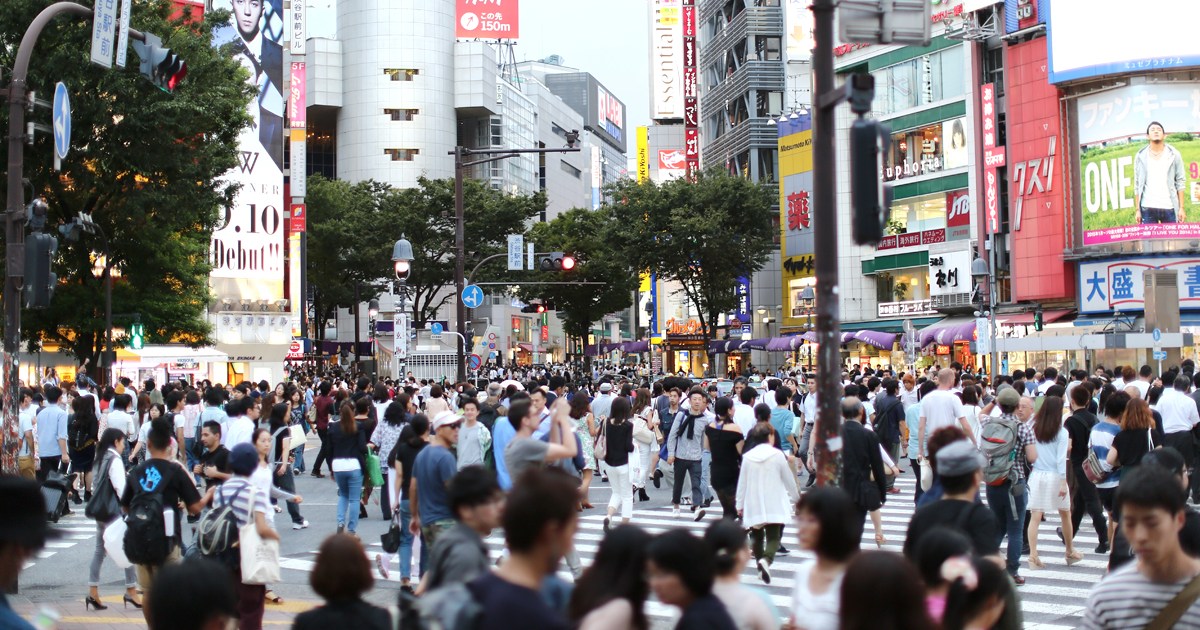
Here’s the thing: this isn’t a simple good-news-or-bad-news story. It’s a real social tension, and if you’re learning Japanese, it helps to understand the vocabulary, the history, and the mood behind the headlines.
Japan's tourism boom has become impossible to ignore. In 2024, the country welcomed 36.87 million visitors, according to the Japan National Tourism Organization, and the number was still climbing as airports, hotels, and city centres stayed packed. For many Japan fans, that’s exciting, but it also feeds a harder conversation about how open the country should be. See what I mean?

Certainly, this isn’t just about tourists taking photos in Kyoto or eating ramen in Shibuya. The bigger issue is that Japan needs more people, full stop. Its labour force is shrinking, its population is ageing fast, and by 2024 the Ministry of Internal Affairs and Communications was still reporting a population decline. That’s why foreign workers are now central to the country’s economy, from construction and caregiving to factory shifts and convenience stores.
Japan's tourism boom meets social anxiety
Trust me on this one: when the streets feel busier, the conversation gets louder too. In places like Osaka, Kyoto, and Kamakura, residents have complained about crowding, noise, and behaviour that feels rude by local standards, from blocking tramways to entering private lanes for photos. A 2026 report from The New Daily captured that uneasy mix well, because the issue isn't only tourism, it's sentiment. Plot twist: the pressure from visitors can turn into a broader dislike of outsiders, even when the original complaint was about tourist management.
Let's be honest: Japan has long balanced おもてなし (omotenashi), the ideal of warm hospitality, with a strong sense of social boundaries. That tension shows up in everyday language too. Words like 外国人 (gaikokujin) simply mean foreigner, but context matters, and learners quickly notice whether a sentence sounds neutral, polite, or cold. For example, you might hear 外国人観光客 (gaikokujin kankoukyaku) for foreign tourists, or 外国人労働者 (gaikokujin 労働者 (rodosha, worker; labourer)) for foreign workers. The labels are ordinary, yet the feelings behind them can be anything but ordinary.
Foreign workers are no longer a side story
No joke: foreign workers are now part of the machinery that keeps Japan moving. The government has expanded visa routes such as the Specified Skilled Worker system, introduced in 2019, to fill shortages in nursing care, agriculture, food service, and manufacturing. By 2024, Japan had well over 2 million foreign residents, and that figure keeps climbing as companies struggle to hire locally. But that’s not all.
Seriously though: the same country that depends on foreign labour can still have deep resistance to the idea of a multi-ethnic society. You’ll see job ads that welcome non-Japanese applicants, then hear complaints from neighbours when a share house opens nearby. You’ll also see employers praising foreign staff, while some politicians and commentators warn against too much social change. That contradiction is exactly why this topic keeps coming back.
On the flip side: many foreign workers say Japan gives them safety, predictability, and clear rules. My tip: if you’re learning Japanese, pay attention to words like 社会 (shakai, society), kyosei, and juunai, because they often appear in these debates. Shakai means society, kyosei can mean coexistence, and juunai is often used for social harmony or cooperation. Those terms tell you a lot about how Japan talks about itself. Convinced yet?
Cultural cohesion and the myth of ethnic homogeneity
What I especially like: Japan's public debate is often much more nuanced than outside headlines suggest. Many Japanese people do value cultural cohesion, and not in a fake or sinister way. They mean shared etiquette, predictable public behaviour, and a strong sense that everyone should follow the same social rules. That mindset helps explain why Japan can feel so orderly, from silent trains to neatly managed queues. Simply brilliant.



At the same time, the idea of ethnic homogeneity has always been more myth than reality. Japan has Ainu communities in Hokkaido, Ryukyuan identity in Okinawa, Korean residents with deep historical roots, and newer immigrant communities from Vietnam, China, the Philippines, Brazil, and Nepal. By 2023, foreign residents had become visible enough in many towns that local councils started publishing multilingual pamphlets and setting up translation support. The country looks homogenous from far away, but up close, it's more layered.
Why the language around outsiders matters
Here’s the thing: the Japanese words people choose can soften or sharpen the debate. Gaikokujin is common and often neutral, but gaijin, short for gaikoku-jin, can sound casual, distant, or rude depending on tone and context. Learners should hear that difference early, because it changes how a conversation lands. Oh, almost forgot: terms like 多文化共生 (tabunka kyosei), meaning multicultural coexistence, show how cities and prefectures are trying to answer the demographic problem without losing social calm.
For example, Kawasaki has long invested in multicultural policy, while many rural towns now use foreign workers to keep farms, inns, and care homes running. That doesn't erase tension, though. It just makes the trade-off clearer, and the trade-off is this: Japan wants labour and visitors, but many people still want the old feeling of a culturally sealed society. See what I mean?
What Japan fans and learners should watch next
I still remember exactly how striking it felt the first time I saw a local notice in Japanese, English, Vietnamese, and Nepalese all on the same wall. It was in a supermarket near a station outside Tokyo, and it said more about modern Japan than any glossy travel video could. That’s the real story here, not just cherry blossoms and temples, but a country negotiating change in plain sight.
For Japan learners, this topic is actually a great vocabulary lesson. Watch for keywords like rodosha, 滞在 (taizai, stay; sojourn), kyoka, and kyosei in news articles, then compare how NHK, NHK World, and local papers frame the same issue. You’ll notice that one outlet may focus on tourism management, while another stresses demographic decline or public unease. That’s useful reading practice, and it helps you catch the tone behind the grammar.
My tip: don't treat anti-foreigner sentiment as one neat political position. In Japan, it can be about overtourism, neighbourhood rules, job competition, or simple discomfort with rapid change. Those feelings are not the same, and lumping them together hides the real debate. For Japan fans, understanding that difference is part of understanding the country itself.
If you want to keep up with more stories like this, follow the conversation, read widely, and compare what locals say with what foreign media reports. more Japan news on jpnerd.com But that’s not all.
Frequently Asked Questions
Why is Japan facing more tension around foreigners now?
Japan is dealing with record tourism, labour shortages, and a fast-ageing population, so more foreigners are present in daily life. That change is colliding with older ideas about social order and cultural sameness.
Are foreign workers important to Japan's economy?
Yes. They are increasingly essential in care work, factories, agriculture, food service, and construction, especially as Japan's working-age population keeps shrinking.
Does Japan really have an ethnically homogenous society?
Not really. Japan may look uniform from the outside, but it has long-standing minority groups and a growing immigrant population. The image of total homogeneity is too simple.


