Overview
Japan’s tourism picture in recent coverage is a good reminder that travel trends rarely move in a neat line. In March, the country recorded a new monthly high for international arrivals, with 3.6189 million foreign visitors, up 3.5% year over year. Then April brought a noticeable slowdown, including a sharp fall in arrivals from mainland China and a 5.5% drop in total visitor arrivals. The result is not a collapse, but a very human-looking pattern of surge, pause, and adjustment.
For readers trying to make sense of Daily Memo news, this matters because it shows how Japan’s travel demand is becoming both huge and more complex. A single market can no longer tell the whole story. And when I say that, I mean the numbers now reflect a wider mix of travelers from the US, South Korea, Europe, Australia, and several ASEAN markets, which helps the sector absorb weakness in one place without losing its footing everywhere else.
If you are planning a trip, following the business side, or simply trying to understand Daily Memo japanisch lernen content in context, this is exactly the kind of topic that rewards a little patience. Travel language in Japan often comes with its own rhythm too: a 予約 (yoyaku, reservation; booking), meaning a reservation, matters more in busy periods; a 計画 (keikaku, plan; schedule), or plan, becomes useful when you want to move around flexibly; and a 宿泊 (shukuhaku, staying overnight; lodging), an overnight stay, can shape how you experience a city during peak demand. Small words, big impact. Funny how often that happens.
How the March record came together
The March figure stands out because March is usually a quieter shoulder month in Japan, sitting before sakura season and the Golden Week rush. Even so, international arrivals hit a fresh monthly record at 3.6189 million in 2026. That was not just a vanity number. It reflected durable demand coming from multiple regions at once, especially the US, South Korea, Europe, Australia, and several ASEAN markets.
That breadth matters. Coverage around recent record-setting months has repeatedly pointed to a tourism market that looks more resilient than in the past, because it is less dependent on one source market. In earlier March reporting, Japan had already logged 3.49 million international visitors, and before that an earlier report noted 3.08 million, which was then the highest March figure on record. The steady climb shows how quickly the baseline for inbound tourism has changed.
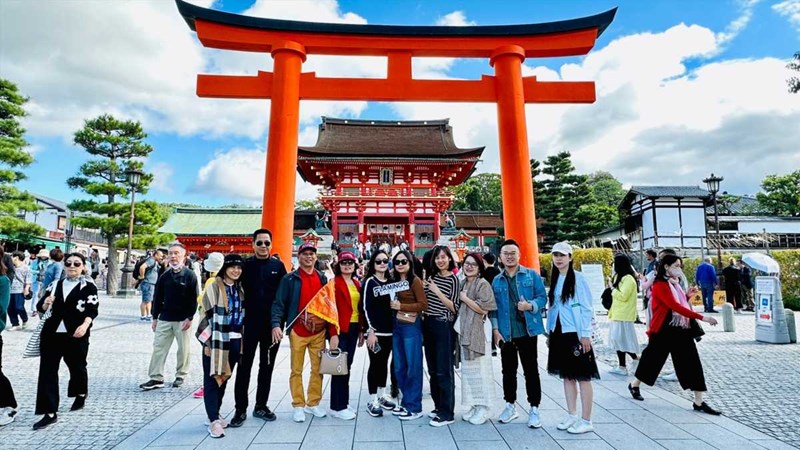
There is also a practical side to that growth. When demand is strong across several markets, popular destinations can feel it very differently. Osaka has benefited from international events, while Kyoto remains a cultural magnet that continues to draw steady interest. For travelers, this means that the busiest areas are often the same ones people already know, but the pressure is now more evenly spread across the calendar.
Why April showed a slowdown
April offered the counterpoint. Japan’s total visitor arrivals fell 5.5% for the month, and arrivals from mainland China reportedly dropped 56.8%. That was the sharpest signal in the data, and it helped explain why the overall picture softened after March’s record. Analysts and coverage tied the decline to weaker Chinese demand, softer economic conditions, more cautious travel budgets, and fragile sentiment from mainland China.
And what’s more, the slowdown does not erase the bigger trend. It simply shows how sensitive tourism can be to changing conditions in one major market. Earlier coverage had already noted that March travel demand remained strong despite geopolitical tensions, including tensions with China and conflict in the Middle East. In other words, the market had momentum, but not immunity. Tourism can be robust and vulnerable at the same time. That is very Japan, actually… efficient, adaptable, and still completely at the mercy of the wider world.
For people following Daily Memo guide style coverage, this makes April a useful stress test. A market that can lose one source of demand and still keep overall inbound volume relatively high is a market with depth. But it is also a market that has to keep watching exchange rates, airline capacity, regional sentiment, and how visitors choose between Tokyo, Osaka, Kyoto, and other hubs.
What it means for the broader tourism market
The bigger lesson is that Japan’s tourism boom now looks increasingly diversified. The articles tied to these figures describe a sector that can lean on the US, South Korea, Europe, Australia, and ASEAN when one large market weakens. That resilience is important because it changes how hotels, airlines, local governments, and transport operators think about planning. A wider spread of demand is healthier than a one-market spike, even if the numbers still swing month by month.
For travelers, this often shows up in very practical ways. Popular districts can be crowded, Japan Sees Record International Visitors in March, and advance booking becomes more important during stronger inbound periods. At the same time, shoulder seasons can still offer a more manageable experience if you pick your timing carefully. I always think that is where Japan travel gets interesting: not just finding a famous place, but understanding when it feels easiest to enjoy it.
If you are using this as a language or reading practice topic, the vocabulary also tells a story. Inbound tourism coverage often uses 観光 (kanko, tourism; sightseeing industry) for tourism, 週間 (shukan, weekly period; a week-long span) for demand patterns, and 処理 (shori, processing; handling) for handling volume and operations. You do not need to memorize all of it at once, but the terms become easier when you see them tied to real-world changes, not just flashcards. That is part of why Japan Tourism Statistics: Der März-Rekord und die April-Flaute is such a useful angle: it connects the headlines to the underlying trend.
Where to experience this trend in Japan
If you want to feel Japan’s tourism boom in a real, everyday way, start with the places where visitors and local life overlap. Osaka is a great example because big events, shopping districts, and food streets make the flow of travelers visible almost immediately. Kyoto tells a different story, with temples, historic neighborhoods, and seasonal travel patterns that show why cultural destinations stay popular even when the market cools a little.
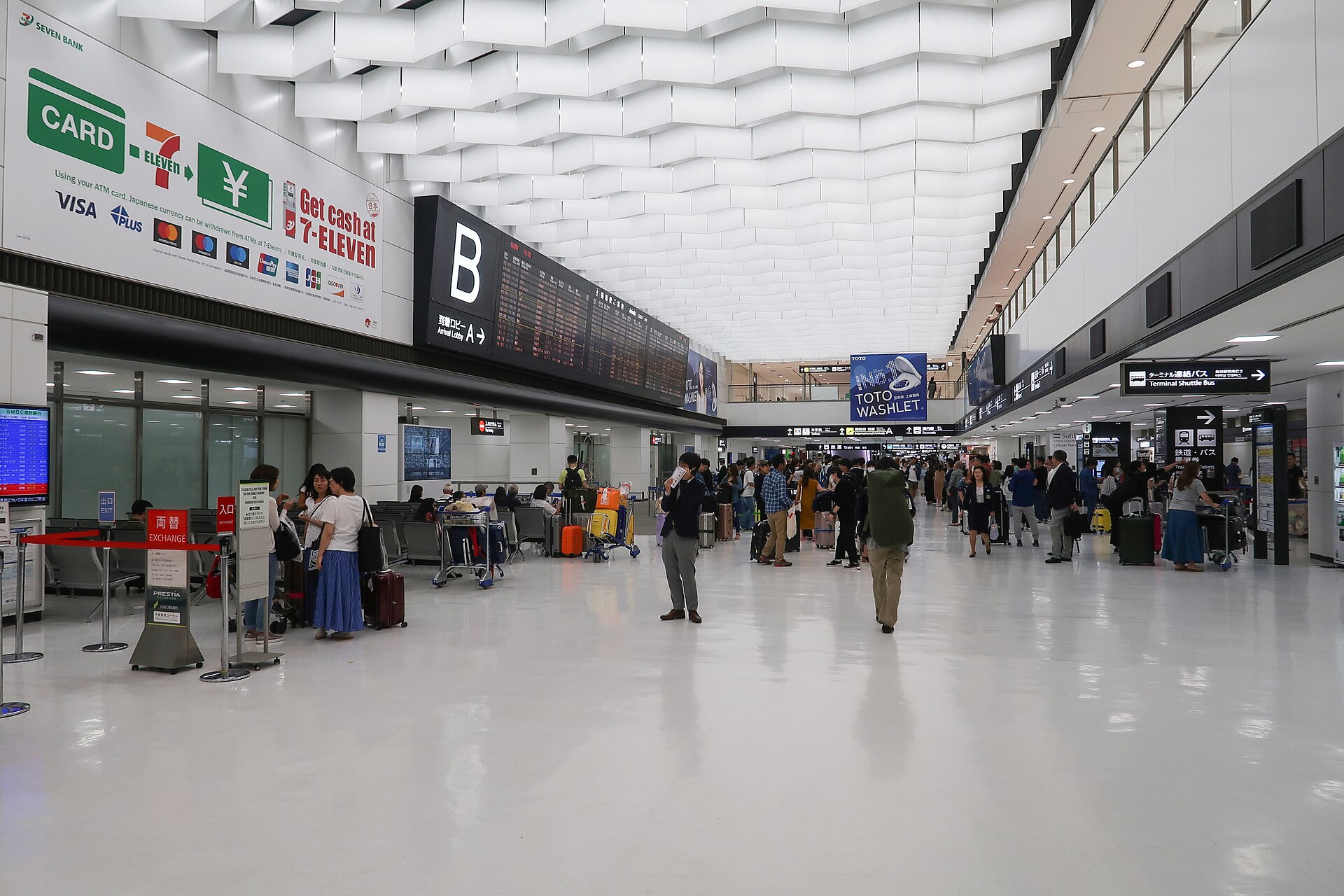
Tokyo is where the system becomes easiest to read. Airports, rail hubs, major neighborhoods, and hotel districts all show how inbound tourism depends on logistics as much as scenery. And beyond the biggest cities, you will often find lesser-known places that benefit when travelers spread out a bit more. That is where the hidden spots really come alive. The pressure eases, the pace changes, and you get a better sense of how tourism supports regional Japan rather than just its famous landmarks.
If you are planning around busy periods, keep yoyaku in mind, especially for accommodation and popular restaurants. A little keikaku helps too, since transport connections and opening hours can shape your day more than you expect. And if your trip includes an overnight stay in a major hub, booking earlier can make a real difference when arrivals are climbing. It is not glamorous advice, but it works. Japan rewards the people who prepare just a little.
Why this story keeps repeating
March record, April dip, repeat. On the surface it can look like a contradiction, but it is really the same story from two angles. Japan’s inbound tourism remains strong enough to set records, yet still sensitive enough that one market’s slowdown can pull the monthly total down. That balance is what makes the current phase worth watching.
For readers following Daily Memo news or looking for Daily Memo kanji study context, the theme is simple: resilience with friction. Japan’s tourism sector is no longer a single-track story, and that is good news for travelers, businesses, and local regions that want the benefits of visitors without relying too heavily on one source. The road is busy, yes. But it is also broadening.
Frequently Asked Questions
What happened to Japan’s tourism numbers in March?
Japan recorded a new monthly high of 3.6189 million international arrivals in March 2026, with arrivals up 3.5% year over year.
Why did April tourism slow down?
April saw a 5.5% drop in total visitor arrivals, and arrivals from mainland China fell sharply, which was linked to weaker demand, softer economic conditions, and more cautious travel budgets.
Which markets helped support Japan’s inbound travel growth?
Recent coverage pointed to stronger arrivals from the US, South Korea, Europe, Australia, and several ASEAN markets.
Where can travelers most clearly experience this tourism trend in Japan?
Osaka and Kyoto are good examples, and Tokyo also shows the effects clearly through airports, rail hubs, and hotel districts.
Is this a useful topic for Daily Memo japanisch lernen?
Yes. The topic naturally introduces practical travel and tourism vocabulary like kanko, yoyaku, keikaku, and shukuhaku in a real context.