
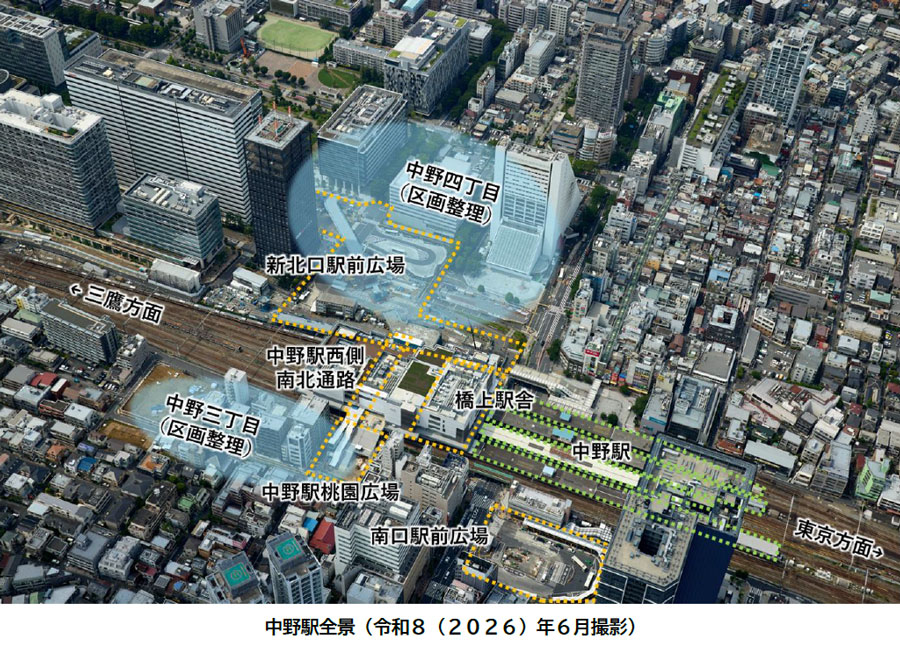
To be fair, station work rarely sounds glamorous at first glance. But in Tokyo, even a walkway upgrade can quietly change the rhythm of a neighbourhood, and this one looks like a really practical improvement.



Nakano Station gets a new north-south passage on 6 December
Nakano Station is set for a notable upgrade on 6 December, when a new north-south passage and additional station facilities are scheduled to open. If you know Nakano, you probably know the station already feels busy at almost any hour, with commuters, students, shoppers, and the usual stream of people heading towards Nakano Broadway. So this isn’t a tiny touch-up. It’s the kind of change that can actually alter how people move through the area.
Compared with back home, Tokyo stations often work like little cities, and Nakano is one of those places where the flow matters just as much as the destination. A smoother passage between the north and south sides means less detouring, less crowding at choke points, and, hopefully, fewer moments of standing there wondering which exit you should’ve used. You know how it is.
Here’s the thing: station improvements in Japan are rarely just about appearances. They’re about access, circulation, safety, and making daily life less tiring for the people who pass through every day. That’s why this upgrade matters, even if it won’t make headlines outside transport circles. For locals, it’s a small infrastructure change with an everyday impact. Personally, I think those are often the best upgrades of all.
What the new passage and station facilities mean
The new north-south passage is the headline feature, and it should make Nakano Station easier to cross without having to work your way around the edges of the station complex. In a place like Tokyo, where station layouts can feel like they were designed by someone with a mischievous streak, that kind of direct connection is a big deal. It should help knit the area together more naturally, especially for people walking between the north side and the south side of the station.
By the way, when Japanese rail news talks about station facilities, it can cover a lot of small but important things, from improved ticketing areas to better waiting spaces, barrier-free access, and more comfortable circulation. The article from Traicy points to station-side improvements tied to this opening, and that usually means the sort of upgrades you only fully notice once they’re missing. Cleaner paths. Better movement. Less bottlenecking. It sounds simple, but it really helps.
Why this matters for daily commuters
The best part is that these changes often help the people who are least likely to talk about them. The commuter with a packed backpack, the elderly passenger moving a little slower, the parent with a stroller, the student rushing to class, all of them feel the difference. Station design is one of those quiet pieces of urban life that shapes your day without asking for credit.



And Nakano is exactly the sort of place where that matters. It’s a neighbourhood with energy, but also with a lived-in, local feel. That mix is why a new passage can do more than simply shorten a walk. It can make the station feel less fragmented, more welcoming, and a bit easier to read at a glance. Wait, there’s more.
Nakano Station and the area around it
Speaking of which... Nakano Station has long been more than just a transport stop. It’s a gateway to Nakano Broadway, a well-known shopping and pop-culture spot that draws fans of anime, manga, figures, and retro collectibles. It’s also a practical base for commuters heading into central Tokyo. That combination gives the station a slightly different mood from the polished giant hubs like Shinjuku or Tokyo. Nakano feels busy, yes, but also lived-in and specific.
No wonder, because stations like this do double duty. They carry daily traffic, and they support the identity of the neighbourhood around them. A new passage and updated facilities may sound technical, but they feed into something more human: easier meetings, easier transfers, easier local life. If you’ve ever met a friend near a station entrance and spent ten minutes texting because there were too many exits, you already understand the value here.
My tip: if you’re learning Japanese and following rail news, pay attention to words like 施設 (shisetsu, facilities) (facilities), 通路 (tsuuro, passage) (passage), and 両面 (ryoumen, both sides) (both sides). They show up constantly in station announcements and local reports. It’s a small vocabulary win, but those are the terms that make real-world Japanese feel less abstract. And honestly, that’s half the fun.
What to watch for after the opening
The opening on 6 December is the key date, but the more interesting question is how people will use the new layout once the first wave of curiosity passes. Will the north and south sides feel more connected? Will the crowds spread out more naturally at peak hours? Will the station finally feel a little less like a place you pass through and more like a place that guides you? Those are the details that matter over time.
I still remember exactly how a small station upgrade once changed my own routine in Tokyo. A slightly better walkway, a less confusing exit, and suddenly a daily route felt calmer. It sounds minor. It isn’t. That’s why I pay attention to these announcements, even when they look dry on paper. They tell you something about how Japanese cities keep adjusting themselves, one practical improvement at a time. Sounds good, right?
Frequently Asked Questions
When will the new Nakano Station passage open?
The new north-south passage and station facilities are scheduled to open on 6 December.
What is the main change at Nakano Station?
The main change is a new north-south passage, along with new and improved station facilities.
Why does this upgrade matter?
It should make the station easier to cross, improve daily movement, and reduce congestion around the station area.
For more updates like this, visit more Japan news on jpnerd.com.


