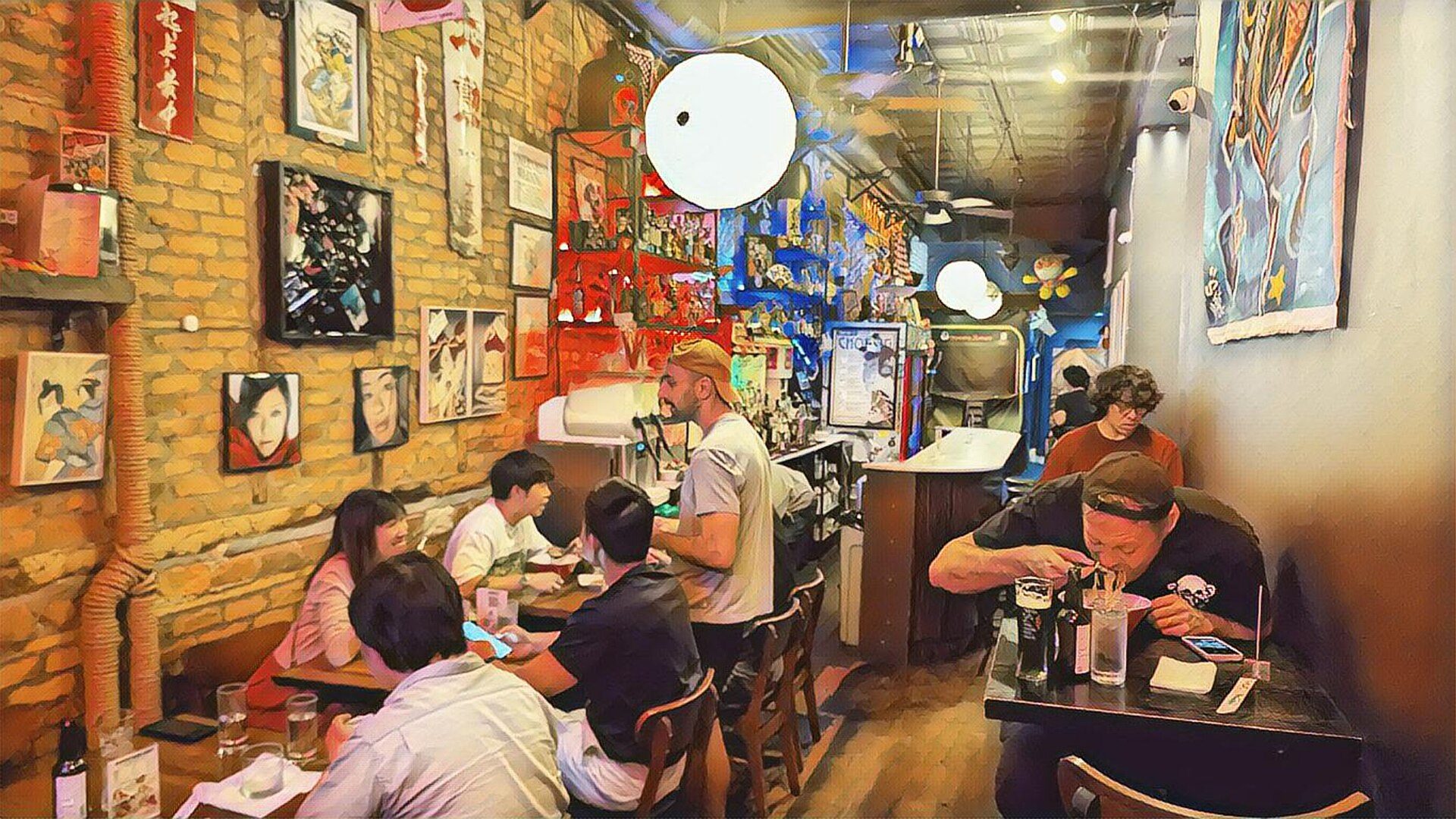
And yes, the food matters more than the atmosphere, though the atmosphere helps, naturally. If you want grilled fish with crisp skin, beef tendon that turns softly rich after a long simmer, and the slightly chaotic charm of an 居酒屋 (izakaya, Japanese pub) in one of Tokyo's most storied neighbourhoods, Asakusa is a very decent place to start.



Asakusa 炉端焼き (robatayaki, charcoal-grill style cooking) izakaya dining is one of those combinations that sounds almost too neat on paper, then turns out to make perfect sense once you’re there. You get the smoke, the heat, the counter seats, the chatter, and the slightly theatrical business of watching food come off the grill while the neighbourhood outside keeps doing its own thing. Classic Japan, isn’t it?
This is the part of Tokyo where old meets new isn’t a slogan, it’s the background noise. Asakusa still pulls in people for Senso-ji, Nakamise shopping street, and those easy riverside walks that make you forget you were meant to be somewhere else ten minutes ago. So when an izakaya in the area leans into robatayaki, the result feels less like a gimmick and more like a local answer to the question, “What should we eat after wandering around here all afternoon?”
Why Asakusa suits robatayaki so well
Let me show you why this pairing works. Asakusa is busy, compact, and a little theatrical in the best way, which suits robatayaki beautifully. The style itself is all about direct cooking over charcoal, often with an open grill and a sense that the kitchen is part performance, part command centre, part smoke machine. You smell dinner before you sit down, and that’s never a bad start.
Take the district's pacing, for instance. You can spend the afternoon around Senso-ji, pick at street snacks, browse the side streets, then settle into an izakaya when the light starts going soft. That’s why robatayaki feels so satisfying here, because it slots into the rhythm of the day. No need for anything polished or precious. Just grilled food, a cold drink, and the mild satisfaction of having found somewhere slightly better than the place next door.
And Asakusa is full of places that understand this mood. The best ones tend to be a bit unshowy from the street, then suddenly alive inside, all clinking glasses, smoke, and the cheerful chorus of “irasshaimase.” You don’t come for silence. You come for dinner with a pulse. My verdict: Asakusa knows exactly what kind of evening it’s offering.
Robatayaki izakaya basics: what to order first
What I especially like about a good robatayaki izakaya is the menu rarely makes you work too hard. You can order with confidence, even if your Japanese is limited to a few survival phrases and a heroic amount of pointing. The key is to lean into the grill items, then add one or two slow-cooked dishes for contrast.
Beef tendon, the quietly excellent choice
Beef tendon, or 牛筋 (gyusuji), is one of those dishes that rewards patience, which is a polite way of saying it arrives only after somebody has done the long, boring part properly. When it’s good, it’s glossy, deeply savoury, and just soft enough to feel luxurious without turning to mush. In an izakaya setting, it often comes simmered in a soy-forward sauce, with daikon or a little garnish to cut through the richness. It’s not flashy. It doesn’t need to be.
If you are learning Japanese, this is a useful little vocabulary win, because many menus will use gyusuji 煮込み (nikomi, simmered dish) for stewed beef tendon. Nikomi means simmered, and that word pops up all over izakaya menus. Worth knowing, if only so you can avoid making the face of someone who has accidentally ordered something far more adventurous than intended. Been there, regretted nothing, but still.
Grilled fish, properly handled
Then there’s grilled fish, which is where robatayaki can be quietly brilliant. The best versions have crisp skin, moist flesh, and just enough salt to make the rice in the corner of your brain sit up and pay attention. At a decent place, the fish isn’t drowned in sauce or dressed up beyond recognition. It tastes like fish, which sounds obvious until you realise how often that gets forgotten.



Depending on the season, you might see 秋刀魚 (sanma, Pacific saury), 鯖 (saba, mackerel), or a whole white fish charred over the coals. A great example: saba shioyaki, grilled mackerel with salt, does a lot of heavy lifting for very little fuss. It’s smoky, rich, and exactly the sort of thing that makes you order another drink whether you meant to or not. By the way, if a place can handle fish this well, it’s usually a good sign that the grill has been treated with proper respect.
How to eat your way through an Asakusa robatayaki night
Ever wondered why izakaya meals can feel so satisfying even when they’re not especially big? It’s the pacing. You start with something light, then move to something savoury, then something grilled, then possibly one more thing because the menu has looked at you with a challenge. A sensible Asakusa order might go like this: edamame or a small salad, grilled fish, gyusuji nikomi, then maybe yakitori or another charcoal-grilled side if you’re still standing upright.
Mind you, the real trick is not to overplan. Let the menu lead. If you see seasonal vegetables on the robata, order them. If the fish of the day looks better than the standard option, take the hint. If the staff recommend a house special, listen. Japanese izakaya culture has a way of rewarding people who stop trying to be clever and just eat what the room is quietly telling them to eat. That’s why the best nights feel pleasantly improvised.
My tip: choose a seat where you can see the grill if possible. Watching the staff work gives the meal a bit of theatre, and it also helps you understand why the food tastes the way it does. Charcoal, timing, temperature, a little wrist action, a lot of competence. Not especially glamorous, but then neither is good cooking usually. It just tastes glamorous after the fact.
Asakusa beyond the restaurant door
Picture this: you finish dinner, step back into Asakusa, and the neighbourhood is still humming along with late evening energy. The temple grounds are quieter now, the souvenir shops are closing, and the streets have that nice post-rain, post-dusk, slightly reflective look that makes Tokyo feel more intimate than enormous. It’s one of the reasons I keep coming back.
And that is really the point. A meal in Asakusa doesn’t sit in isolation. It becomes part of the district's texture, alongside temple visits, river views, old shopfronts, and the occasional tourist group moving with the determined confusion of people trying to obey a map in a place that has other plans. If you are a Japanese learner, this is also a good area to pick up restaurant vocabulary in the wild, where it actually matters. You’ll hear motsu, shio, tare, osusume, and all the other little words that suddenly become useful when someone is standing over your table asking a perfectly reasonable question at speed.
Let’s be honest: half the pleasure of eating in Tokyo is the feeling that the city has already done some of the work for you. Asakusa gives you the setting, robatayaki gives you the flavour, and an izakaya gives you the permission to stay a while. That combination is hard to beat. All here, all in Asakusa.
Frequently Asked Questions
What is robatayaki?
Robatayaki is a style of Japanese grilling, usually over charcoal, with a focus on simple seasoning and direct heat.
Is Asakusa a good area for izakaya dining?
Yes, especially if you want a mix of old Tokyo atmosphere, easy access, and solid casual dining after sightseeing.
What should I order first at a robatayaki izakaya?
Grilled fish and beef tendon are both strong choices, especially if you want a balance of smoky and rich flavours.