
For Japan fans and language learners, this is one of those business stories that quietly says a lot about how Japan works: careful, practical, and very relationship-driven. No drama, just steady deal-making. Classic Japan, isn’t it?
Japanese energy firms look to Kazakhstan for fresh deals
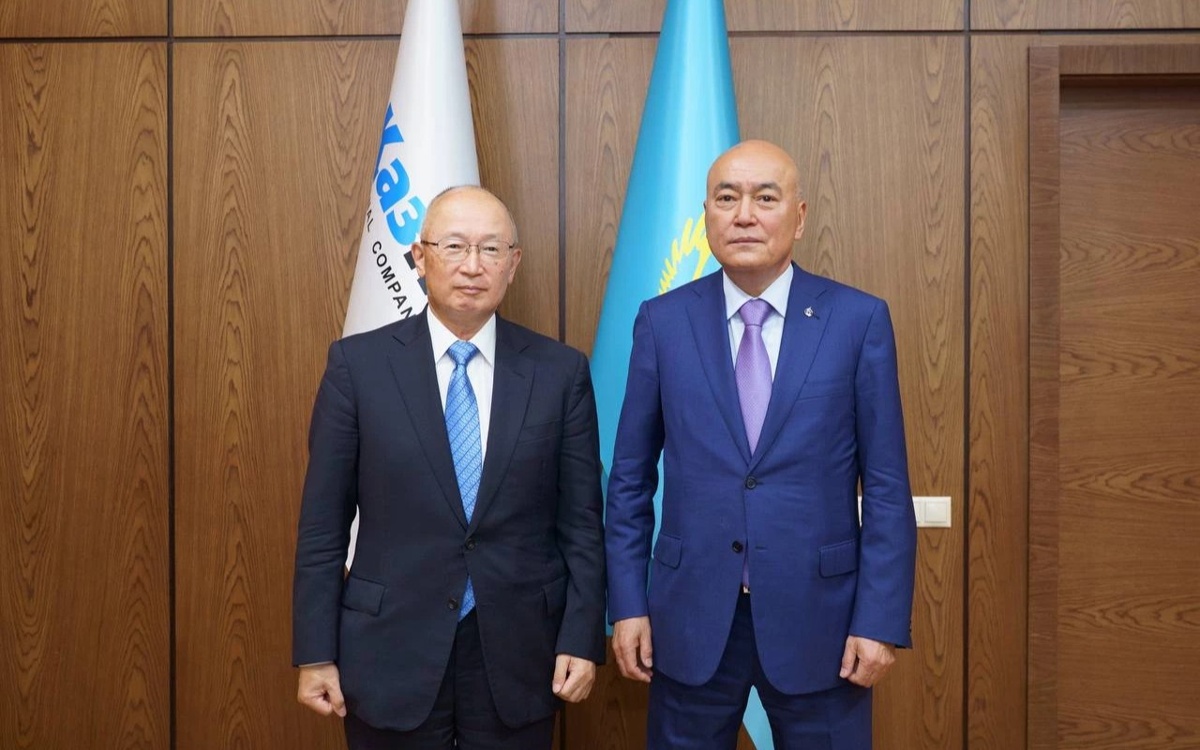
Japanese energy firms are expanding their search for reliable partners, and Kazakhstan is firmly on the map. The talks reported by Qazinform brought together KazMunayGas, Japanese companies, and senior Japanese representatives in a setting that feels very familiar if you follow Japan's overseas business style. Careful groundwork first, headlines later.
Here’s the thing: this isn’t some flashy one-off announcement. It’s the kind of meeting that can sit underneath future oil, gas, hydrogen, and low-carbon projects, even if nobody’s shouting about giant contracts yet. For Japan learners, the business vocabulary matters here too. Words like 企業 (kigyo, company) for company, 関係 (kankei, relationship) for relationship, and 協力 (kyoryoku, cooperation) for cooperation show up all over this kind of reporting. My tip is simple: learning those terms makes Japanese economic news much easier to follow. But that’s not all.
KazMunayGas brings real industry weight
KazMunayGas isn’t a side character. It’s Kazakhstan's national oil and gas company, so when it enters the discussion, you’re looking at a serious energy conversation, not a vague trade mission. That matters because Japan's energy strategy has long been shaped by resource security, long supply chains, and stable partners.
Guess what? Japan has spent decades building energy ties across Asia and the wider Eurasian region, because security of supply is never just a headline issue for Tokyo. No wonder, since Japan imports most of its energy, so companies and ministries alike tend to favour long-term, low-risk relationships. On the flip side, Kazakhstan wants investment, technology, and broader market access. The match makes sense, even if it doesn’t scream novelty.
That reminds me: Japanese business culture often prefers gradual trust-building over big declarations. In Japanese, you might hear 信じる (shinji, to believe; to trust) for trust, and that’s exactly the kind of foundation these partnerships need. Sounds simple, but it’s true. When a state-linked company like KazMunayGas is involved, every conversation can lead to later talks on infrastructure, refining, logistics, or even cleaner fuels. Convinced yet?
Japan Business Federation and ambassador presence signal intent
The Japan Business Federation, known as Keidanren, was also mentioned in the coverage, and that’s a useful clue. Keidanren isn’t some random lobby group; it’s one of Japan's most influential business organisations, with major corporations and sector leaders in its network. When Keidanren appears, the message is usually clear: the private sector is paying attention.
Here’s the kicker: Japanese ambassador Yasumasa Iijima was present as well, which adds diplomatic weight to the meeting. Diplomatic attendance doesn’t guarantee a contract, of course, but it does show that the Japanese side sees the partnership as strategically relevant. That kind of presence can help unlock introductions, reduce misunderstandings, and keep momentum alive after the cameras are gone.
For learners, this is a good moment to notice how Japanese business news often blends politics and commerce without making a big fuss about it. You’ll see terms like 政治 (seiji, politics) for politics and 経済 (keizai, economy) for economy appearing side by side. The reason is simple: in Japan's overseas business playbook, the state, industry groups, and firms often move in parallel, not separately. But let’s stick with the Kazakhstan angle for now.
Why Kazakhstan matters for Japanese energy companies
Let me show you why Kazakhstan keeps attracting Japanese interest. The country sits in a strategically important position between Russia, China, and the Caspian region, and it holds major energy and mineral resources. For Japanese firms, that means potential partnerships not only in hydrocarbons, but also in logistics, technology transfer, and cleaner energy projects tied to the broader energy transition.
What I especially like is how these deals fit Japan's habit of mixing pragmatism with patience. Japanese companies don't usually rush into markets with loud promises. They prefer long-term ties, local counterparts, and steady problem-solving. In Japanese business language, that’s the spirit of 改善 (kaizen, continuous improvement), gradual improvement, even if the term is more famous in manufacturing than in diplomacy. A bit nerdy? Sure. Useful? Absolutely.
On the ground, this kind of partnership can mean visits, feasibility studies, memoranda of understanding, and a lot of follow-up meetings before anything concrete happens. That may sound slow, but it is often how Japan gets results overseas. For anyone learning Japanese, these business stories are also a reminder that vocabulary is easier to remember when attached to real events, especially names like KazMunayGas, Keidanren, and Yasumasa Iijima. No wonder, since the context makes the words stick.
My verdict: the Kazakhstan talks may not be spectacular, but they are solid, practical, and very Japanese in tone. If you like following Japan beyond anime and ラーメン (ramen, ramen noodles), this is the kind of news that shows how the country thinks about energy, trust, and international business. And that gives you a better feel for Japan than a hundred glossaries ever could. more Japan news on jpnerd.com
Frequently Asked Questions
Why are Japanese energy firms interested in Kazakhstan?
Kazakhstan offers energy resources, strategic location, and room for long-term partnerships.
Who was involved in the recent discussions?
KazMunayGas, Japanese companies, the Japan Business Federation, and ambassador Yasumasa Iijima were all mentioned.
Why does this matter for Japan watchers?
It shows how Japan mixes business, diplomacy, and energy security in overseas partnerships.

