
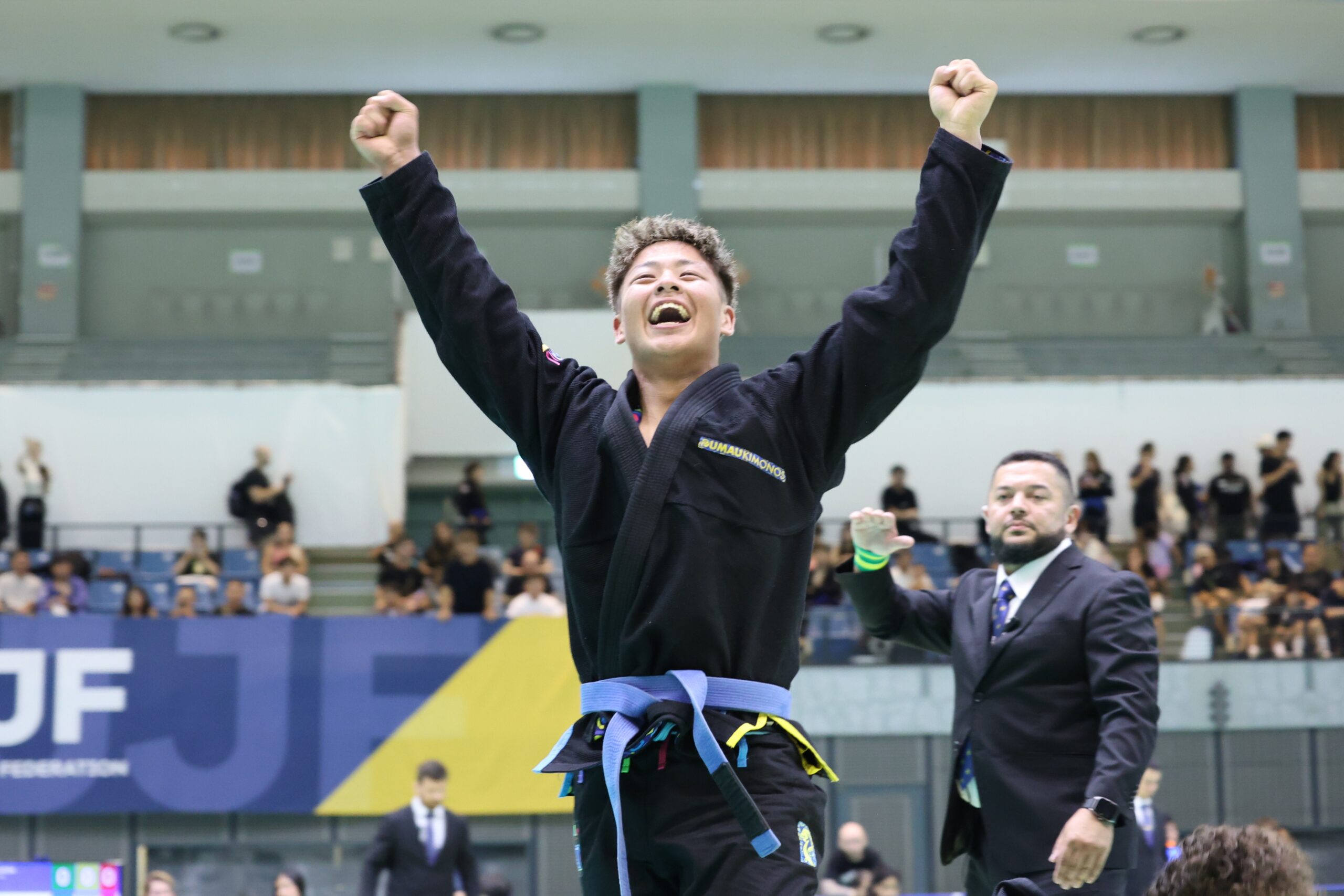
Here’s the deal: this wasn’t just a couple of medals. It was a small but meaningful signal that Japan’s Brazilian jiu-jitsu scene, still a bit understated compared with its 柔道 (judo, gentle way) and wrestling giants, keeps producing athletes who can travel, compete, and win on a major stage.
Two golds, one clear message
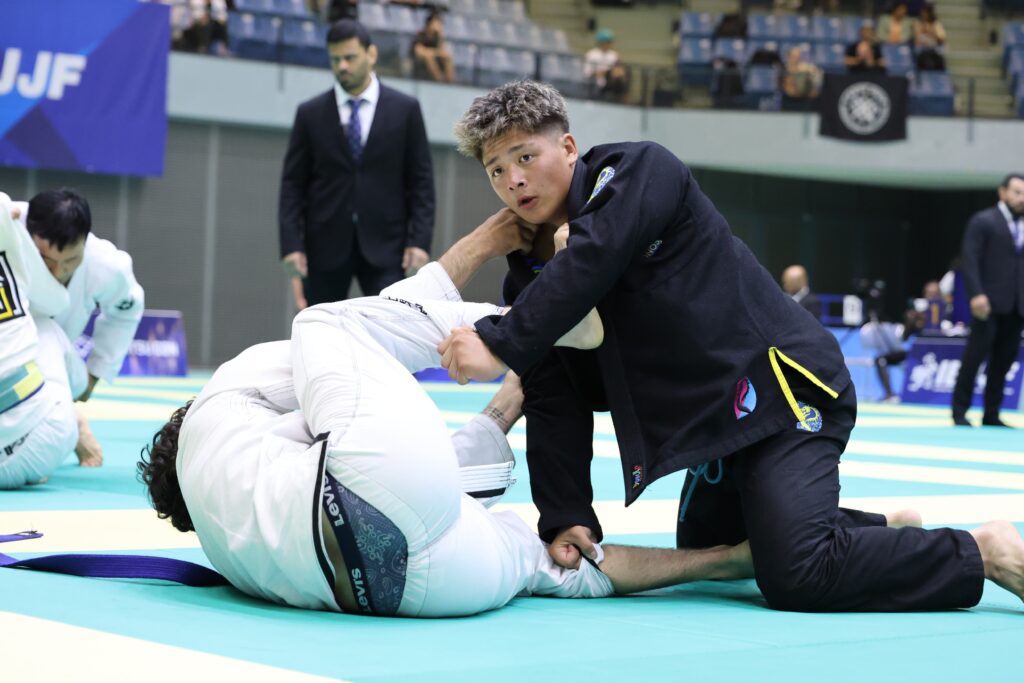
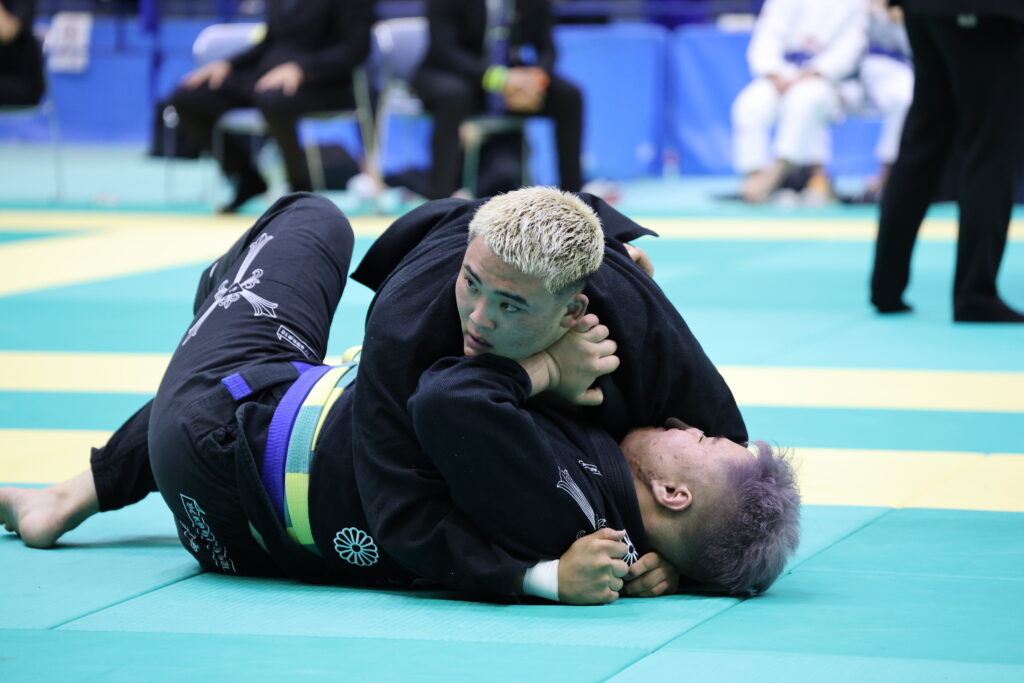
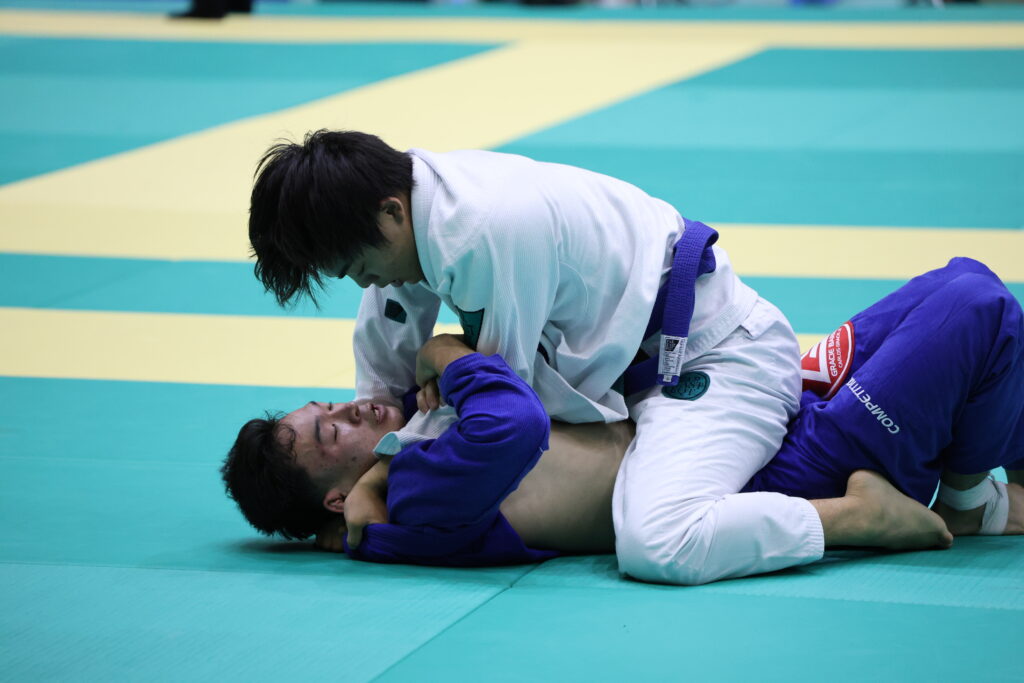
Did you know that Japan came away from IBJJF Asia with two gold medals in the adult blue belt divisions? That sounds modest if you only watch the medal table, but in grappling, especially at blue belt, these results matter. This is where athletes stop being raw beginners and start looking like serious technicians, people who can chain takedowns, guard passes, sweeps, and submissions without panic.
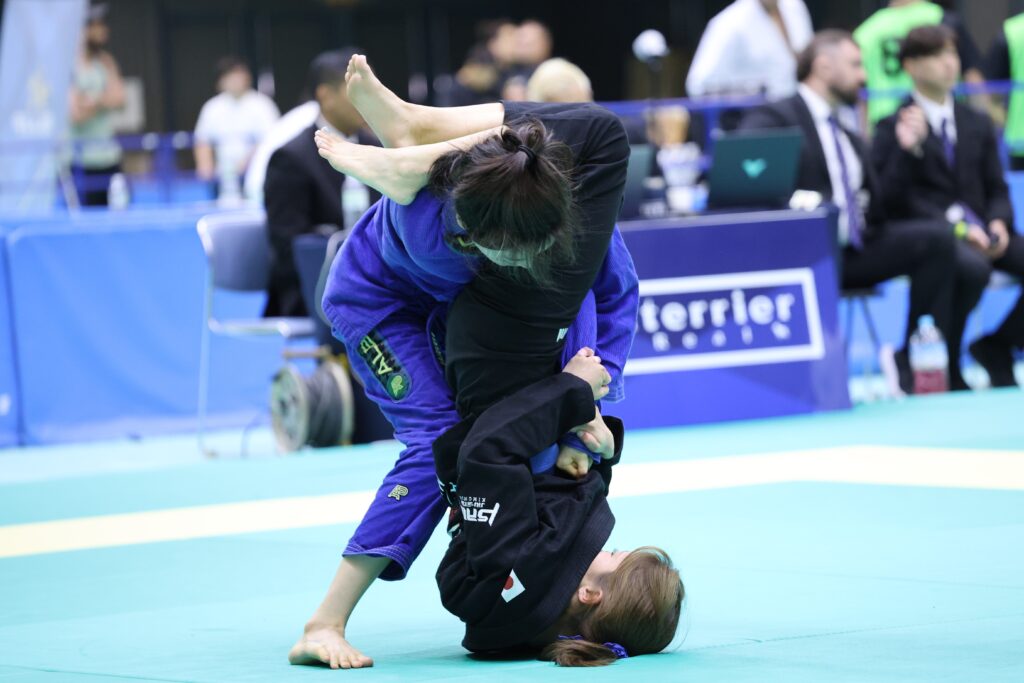
The reason’s simple: adult blue belt is often the first level where the sport’s real identity appears. At white belt, chaos rules. At blue, the good ones begin to look deliberate, and that’s exactly why a double gold from Japanese athletes is worth noticing. It says the domestic scene isn’t just growing, it’s producing people who can handle the pressure of a major international bracket.
Let’s be honest: Japan has never had the global BJJ branding of Brazil or the United States, even though the country understands grappling better than most places on earth. Judo is the obvious reference point, of course, and wrestling has its own serious base. But BJJ is a different beast, a younger import, and seeing Japanese athletes win at IBJJF Asia feels like the sort of quiet revival that only sports nerds notice at first. But that’s not all.
What I especially like is that these wins came in adult divisions, not just in the youth brackets that always get the most optimism and Instagram hype. Adult results are harder, colder, and more useful as evidence. They tell you whether the pipeline is real. My tip: when you want to judge a country’s BJJ depth, ignore the loudest videos and look at the adult blue belts. That’s where the truth usually sits.
IBJJF Asia as a serious proving ground
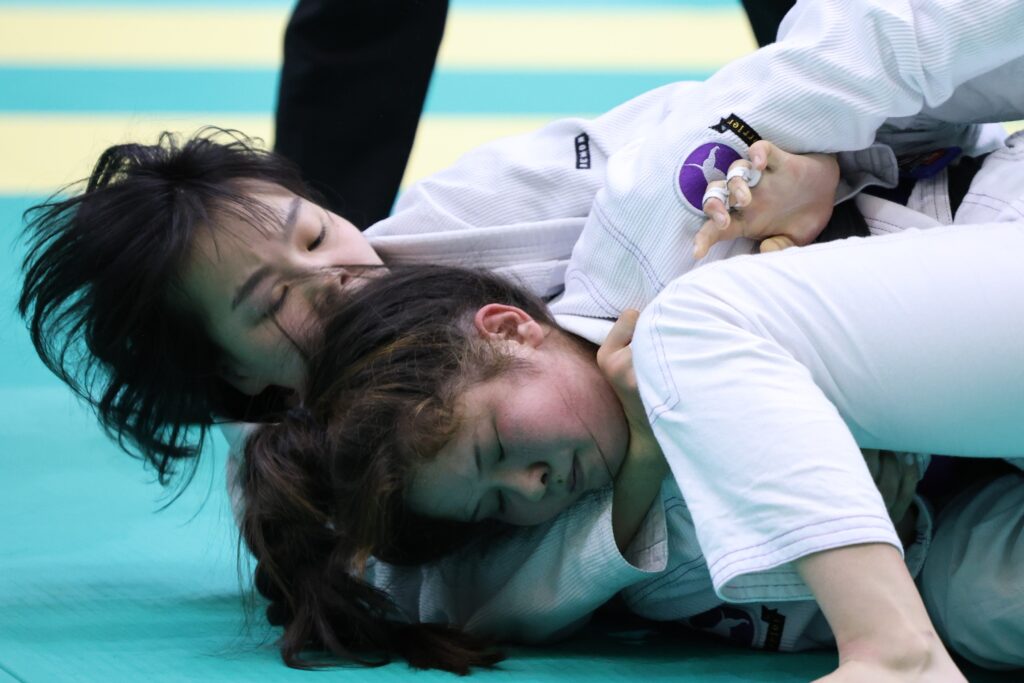
IBJJF Asia isn’t some friendly local mat day with a few nervous parents and a camera phone. It’s part of the International Brazilian Jiu-Jitsu Federation circuit, which means rules, weight classes, refereeing standards, and a field full of people who’ve spent months obsessing over one specific sequence from half guard. Sounds weird, but it’s true. That level of specialisation is exactly what makes the event useful as a barometer.
For Japanese athletes, a tournament like this does several things at once. First, it measures technical standards against international opposition. Second, it exposes them to the pacing of a global rule set. And third, it gives Japanese gyms and brands a stage where they can show that their ecosystem is no longer just local, it’s export-ready.
What many overlook: BJJ in Japan carries a slightly different cultural flavour from BJJ in many Western markets. The training environment often feels more restrained, more formal, and more polished, with a strong respect for structure. That doesn’t mean less creativity, it just means the creativity arrives in a cleaner package. If you’ve ever watched a Japanese grappler calmly transition from a failed sweep into an immaculate back take, you know what I mean. It’s almost annoyingly elegant.
Plot twist: that elegance can be an advantage under IBJJF rules, where control and clean scoring sequences often matter more than wild ambition. A sloppy scramble might look exciting online, but a precise pass into side control, then pressure, then a stable finish, tends to win brackets. Japan’s two golds suggest that its athletes are learning how to make that style pay off on the international stage. From my experience, that kind of procedural discipline travels well.
KINGZ JAPAN and the MATCHA gi
Oh, and almost forgot: the cultural cherry on top here is KINGZ JAPAN releasing the 抹茶 (MATCHA, powdered green tea) gi. Yes, a matcha-inspired gi, and yes, that is as stylishly Japanese as it sounds. I love this sort of thing because it isn’t lazy branding. It reaches for a symbol that immediately reads as Japan, but does so in a way that still fits the practical, sweat-soaked world of grappling.
The gi matters because BJJ is one of those sports where clothing isn’t just clothing, it’s part of the identity. A 柔道着 (judogi, judo uniform) and a BJJ gi may look similar to the untrained eye, but the fit, cut, and performance details differ enough that the choice signals what kind of athlete you are and what kind of game you play. When a Japanese brand puts out a MATCHA gi, it’s making a quiet statement: Japanese aesthetics can live comfortably inside an international combat sport without becoming a costume.
That brings us to the bigger point. Japan is very good at taking imported forms, refining them, and then giving them a local accent that feels natural rather than forced. 空手 (karate, empty-hand martial art) did this long ago. Judo did it even earlier. BJJ is now in that stage where Japanese athletes and Japanese brands are slowly, steadily, making the art feel less like an import and more like part of the domestic sports landscape.
And yes, I’m absolutely biased towards that kind of cultural translation. I find it more interesting than generic global sports marketing, which often feels like a beige spreadsheet wearing sunglasses. A matcha gi isn’t going to change a match by itself, obviously, but it does signal a scene with taste, confidence, and a bit of swagger. Wild, isn’t it?
What this means for Japan’s BJJ future
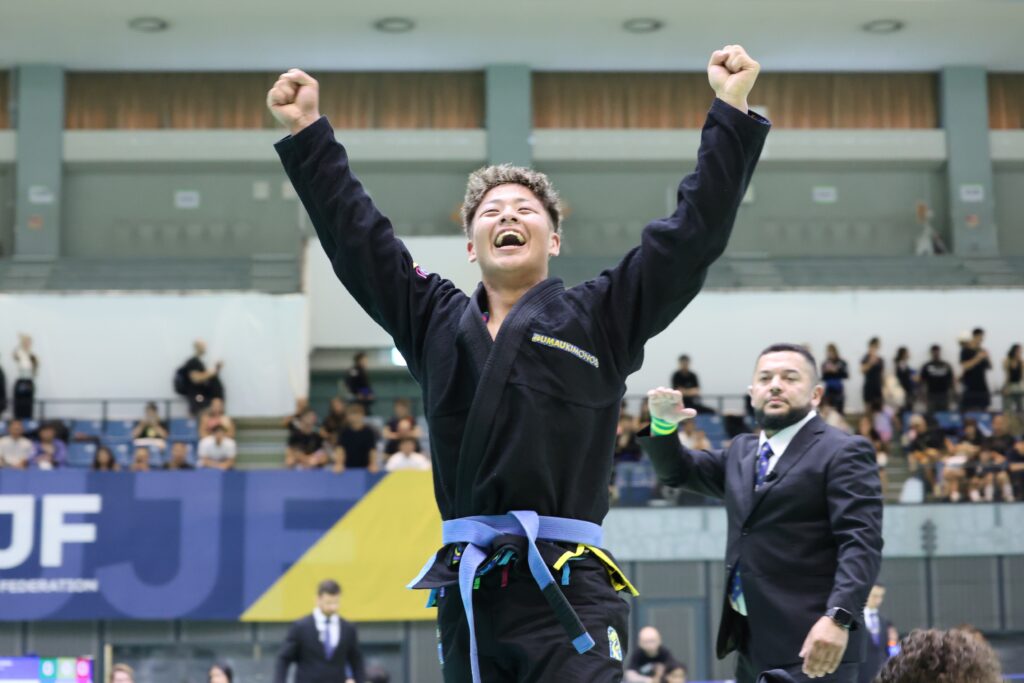
Know that feeling when a small sports result suddenly tells you a much bigger story? That’s what these two golds feel like to me. They suggest that Japan’s adult blue belt pipeline is maturing, that the country’s BJJ scene is gaining depth, and that brands like KINGZ JAPAN are willing to invest in the culture surrounding the mats, not just the competition itself.
Will this turn Japan into a BJJ superpower overnight? Of course not. Sports development doesn’t work that way, and anyone promising a dramatic breakout in six months is probably selling something. But gradual improvement is still real improvement, and in a sports landscape that often feels sluggish in the middle years, steady progress is exactly how a revival begins.
My verdict: the combination of competitive success at IBJJF Asia and the MATCHA gi launch is a neat little snapshot of Japanese BJJ right now. The athletes are winning, the brands are learning how to speak visually in a Japanese register, and the whole ecosystem looks more confident than it did a few years ago. If you follow Japan sports culture, or if you’re learning Japanese and want vocabulary that lives outside textbooks, this is the sort of story worth keeping on your radar.
And if you want more stories like this, you can always keep reading more Japan news on jpnerd.com.
In pictures
Frequently Asked Questions
What is the significance of two gold medals at this event?
It shows that Japanese athletes aren’t just participating, they’re winning at a serious international level in adult competition.
Why does the blue belt level matter so much?
Blue belt is where technique starts to become reliable under pressure, so results here often say a lot about the strength of a country’s BJJ pipeline.
Why is the MATCHA gi getting attention?
Because it blends Japanese cultural identity with a practical piece of combat sports gear, and it does so without feeling forced.

