Choyo no Sekku on 9 September
重陽の節句 (Choyo no Sekku, Double Ninth Festival) is the last of Japan's five seasonal festivals, and it comes every year on 9 September. It’s also known as the Chrysanthemum Festival, because the chrysanthemum has long stood for longevity, health, and protection. That idea came to Japan through older Chinese seasonal thought, then settled into Japanese court culture and later everyday custom. No wonder, because the flower's timing and symbolism fit early autumn so well.


Unlike what we're used to with the more familiar peach festival on 3 March or boys' festival on 5 May, Choyo no 節句 (sekku, seasonal festival) is quieter. That quieter quality is part of its charm. It feels less like a public spectacle and more like a seasonal pause, a moment to notice what the year is doing. For Japanese learners, this is a good phrase to remember: sekku means seasonal festival, while choyo refers to the yang number nine, repeated on the ninth day. See what I mean?
Kabusewata and chrysanthemum dew
Here's the thing: one of the most elegant customs connected to Choyo no Sekku is 被せ綿 (kabusewata, cotton laid over chrysanthemums), sometimes explained as chrysanthemum dew. In the old court aesthetic, cotton was laid over chrysanthemum blossoms overnight so it could absorb the scent and dew. The next morning, that cotton was used to wipe the skin, in the hope of preserving youth and warding off illness. It’s a very Japanese kind of ritual. Practical, symbolic, and beautifully restrained.
What most people don't know is that this custom is not just about a flower, but about timing, touch, and atmosphere. The dew itself matters. The cotton matters. The morning after matters. That layered attention is exactly why traditional Japanese rituals can feel so vivid even when they're simple on paper. If you are learning Japanese, kabusewata is a useful word to notice because it combines 被せる (kabuseru), meaning to cover, and 綿 (wata), cotton. Small words, big seasonal world.
Take kabusewata, for instance. It shows how Japanese festival language often joins nature and action in one neat image. That is also why the chrysanthemum is not just decoration here. It’s part of a larger idea about purity, care, and renewal. Seriously though, this is the kind of detail that makes old seasonal customs feel alive rather than dusty.
Kyoto, Uji, and matcha as a seasonal bridge
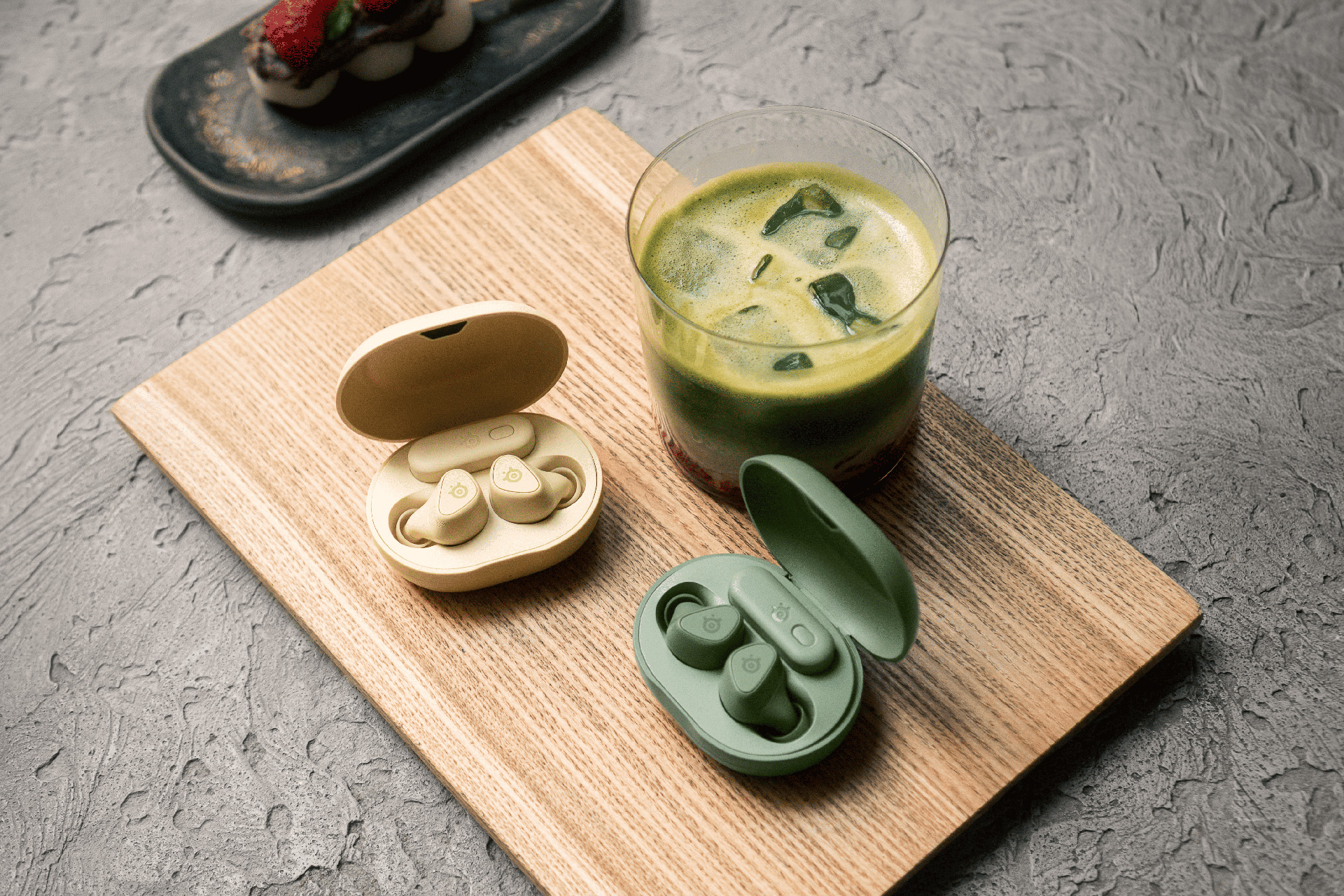
Choyo no Sekku also makes a natural bridge to Kyoto and Uji matcha. Kyoto has long been the cultural centre for courtly ritual, tea practice, and refined seasonal taste. Uji, just south of the city, became one of the most important tea-growing regions in Japan, and its matcha still carries that reputation today. When autumn arrives, that link between festival and tea becomes especially strong. The flavour feels grounded. The setting does too.
On a related note, tea ceremony culture gives this day another layer. Matcha isn’t simply a drink here. It is part of an age-old aesthetic system that values seasonality, gesture, and silence between movements. The tea bowl, the whisk, the sweets, the scroll, the flower arrangement, all of it works together. And that's what makes the connection to Choyo no Sekku so satisfying. Both traditions ask you to notice the season with care.
My tip: if you are studying Japanese culture terms, pair jishu, ritual, with chaji, tea gathering, and temae, the formal tea procedure. You don’t need to master the whole tea vocabulary at once. Just noticing how these words sit inside ceremony already tells you a lot. Kyoto and Uji are especially useful reference points here, because they keep appearing whenever people talk about tea as craft, not just as beverage. Simply brilliant.
Why this festival still matters
Before I forget, there’s a craftsmanship angle here too. Seasonal rituals like this survive because they keep being reinterpreted by artisans, tea makers, confectioners, and tea ceremony hosts. A chrysanthemum motif on sweets, a carefully whisked bowl of matcha, a flower arrangement chosen for early autumn, all of these are small acts of cultural transmission. They do not shout. They last.
If you've been in Japan for a while, there's a good chance you've come across chrysanthemum motifs in pottery, kimono patterns, or temple design. That same flower appears here in a very different register. Not imperial, not decorative only, but seasonal and protective. That's why Choyo no Sekku feels so layered. It is about longevity, yes, but also about attention. The kind that tea culture trains so well.
What I especially like is how this festival gives Uji matcha a context that is bigger than taste alone. The tea becomes part of the year's rhythm. Autumn is not just something you see outside the window. It is something you can prepare, serve, and share. That is a deeply Japanese idea, and still a very moving one. See what I mean?
Frequently Asked Questions
When is Choyo no Sekku?
It is held on 9 September each year.
What is kabusewata?
It is a chrysanthemum custom in which cotton is laid over blossoms so it can absorb dew and scent.
Why is Uji matcha connected to this festival?
Because Kyoto and Uji tea culture fit naturally with the festival's focus on seasonality, ritual, and careful craft.