If you like odd corners of Japanese topography, this one’s hard to beat. It’s a small hill with a big personality, and it sits right in a city that many visitors know for its food, history, and easygoing Tohoku feel.
Mt Hiyoriyama in Sendai has opened its climbing season, and I love that sentence for how oddly specific it sounds. A mountain with a summit you reach in just six steps? That’s Japan for you, where even the smallest place can come with a proper seasonal opening, a local story, and a lot of pride.
For Japanese learners, this is a nice little vocab moment too. Yama means mountain, kairaku is often used for opening or reopening, and tozan means mountaineering or climbing. Put those together with a place name like Sendai, and you get a neat example of how Japanese news often mixes geography, seasonality, and community identity into one short headline. Wild, isn't it?
Mt Hiyoriyama: Japan’s shortest mountain with a six-step summit
Did you know that Mt Hiyoriyama is widely described as the shortest mountain in Japan? Its summit is famously reached by just six steps, which makes the whole thing feel more like a tiny ascent than a hike. But that's exactly why people keep talking about it, because the number is so concrete and so easy to picture.
Unlike what we're used to with alpine climbing, there’s no dramatic ridgeline here, no long scramble, no oxygen talk. Instead, the charm is in the scale. Six steps sound almost too small to matter, yet the mountain still has a summit, a name, and a local place in the seasonal calendar. Classic Japan, isn't it?
Here’s the catch: a mountain doesn’t have to be high to be meaningful. In Japan, local landmarks often become cultural symbols because of repetition, memory, and community use. Mt Hiyoriyama is a great example of how a place can be both humorous and proud, and that mix is very Japanese in spirit. Personally, I think that’s what makes it memorable.
Where Mt Hiyoriyama is, and why Sendai matters
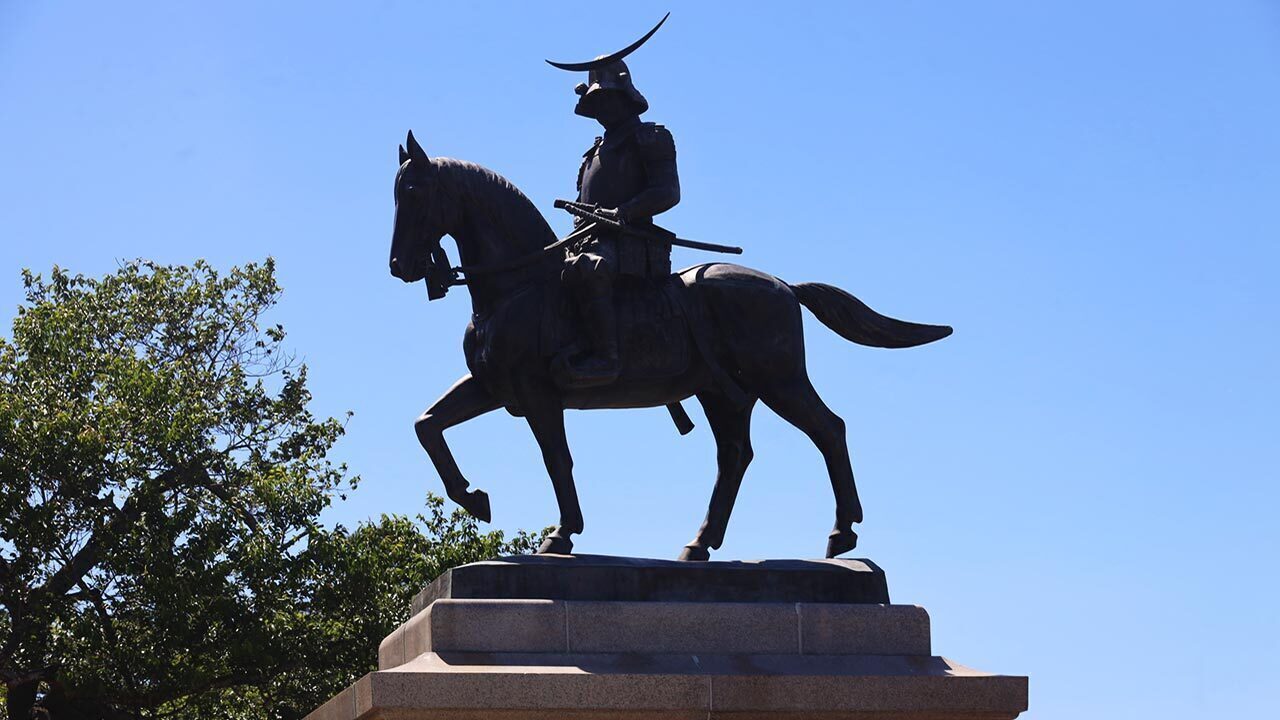
Mt Hiyoriyama is located in Sendai, the largest city in Miyagi prefecture and the main urban centre of Tohoku. That location matters, because Sendai is already a city people associate with Date Masamune, zunda, and easy access to nature. So even a tiny mountain fits the local landscape nicely.
On a related note: Sendai has a strong reputation for balancing city life and green space. You can move from shopping streets and train stations to rivers, hills, and viewpoints without much effort. Mt Hiyoriyama belongs to that same rhythm, a small local landmark that sits comfortably inside the city’s wider geography.
I still remember how often Japanese local news celebrates places that outsiders would normally pass by. A hill, a roadside shrine, a seasonal path, a tiny summit with a signboard, they all get their moment. That tells you a lot about how place identity works in Japan, where the map is full of stories, not just altitudes. Wait, there's more.



Why a six-step summit still draws attention
The six-step summit works because it turns a mountain into something everyone can understand instantly. You don’t need hiking gear. You don’t need special training. You just need to be curious enough to climb six steps and say you’ve reached the top.
That simplicity is also why Mt Hiyoriyama gets coverage when the climbing season starts. Seasonal openings in Japan are often tied to tradition, safety, or local events, and they give smaller places a reason to re-enter the public conversation. For learners of Japanese, this is also a nice reminder that Japanese place news often values seasonal language, or kisetsu, more than you might expect. Personally...
Japanese climbing season culture and local topography
Hand on heart: part of the fun here is how seriously Japan treats even playful geography. The country has plenty of dramatic mountains, from Fuji-san to the Northern Alps, but it also has tiny local peaks that are celebrated for being small, strange, or record-breaking. That contrast is what makes Japanese topography so fun to follow.
Pro tip: if you’re learning Japanese, pay attention to how local nature stories are framed. News outlets often mention location first, then the number, then the seasonal action. In this case, that means Sendai, Mt Hiyoriyama, and the six-step summit. It’s a clean pattern, and once you spot it, Japanese headlines become easier to parse.
My tip: when you see words like yamabiraki or seasonal opening language, think beyond big mountain tourism. Japan loves an opening ceremony, even for smaller sites, because it marks time and community use. That sense of rhythm is useful for learners too, since seasonal words show up everywhere in Japanese daily life, from festivals to train timetables. But that's not all.
For Japan fans, Mt Hiyoriyama is also a reminder that not every landmark needs scale to have appeal. Sometimes the best travel story is the one with a precise number, a clear location, and a little bit of local pride. Six steps, one city, one mountain, and a whole lot of character. That's why...
If you ever find yourself in Sendai, this is the kind of stop that can make a city walk feel more personal. You won’t spend all afternoon there, but you’ll leave with a fun story, and maybe a new Japanese word or two. more Japan news on jpnerd.com
Frequently Asked Questions
What is Mt Hiyoriyama known for?
It is known as Japan’s shortest mountain, with a summit reached by just six steps.
Where is Mt Hiyoriyama located?
It is in Sendai, the largest city in Miyagi prefecture.
Why does the climbing season matter?
The seasonal opening gives the mountain a local event moment and brings attention back to the site.