

What I especially like is the setting. It’s not a flashy lab story; it’s a very practical student project with real tasting, real iteration, and a very Japanese obsession with getting the balance right.
Before I forget: if you’re learning Japanese, stories like this are gold. You get food vocabulary, university life context, and a small glimpse into how Japanese product development often works, step by careful step.
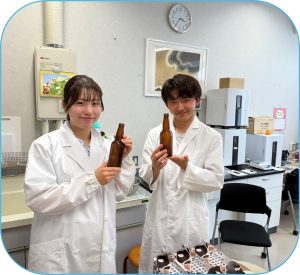
Calpis-Like Drink Made by Students in Reiwa 8
Here’s the thing: the headline case comes from Hirosaki University in Aomori Prefecture, where students in 令和 (Reiwa, Reiwa era) 8 developed a Calpis-like drink on their own. The project ran for three months, and that time frame matters because it tells you this wasn’t a random classroom exercise; it was a focused piece of project work with a clear goal.
Calpis, known for its milky, sweet-sour profile, is one of those drinks almost every Japan fan knows by name. Its taste is instantly recognisable, so creating something in that lane is a pretty bold student challenge. No joke: you’re not just copying a flavour, you’re trying to recreate a very specific balance that people in Japan already carry in their memory.
From a learner’s point of view, the key word here is 格闘仕込み (kakutou shikomi, combat training / hard-earned practice) style persistence, even if the article itself doesn’t use that phrase. Japanese school and university projects often reward steady refinement, not one big breakthrough, and this one seems to follow that rhythm very closely. Sounds good, right?
Why Calpis Matters in Japanese Food Culture
Ever wondered why Calpis shows up so often in Japanese pop culture, convenience stores, and family kitchens? It’s because the drink sits in a sweet spot, familiar enough for everyday life, but distinctive enough to feel like a treat. That makes it a strong reference point for student food tech work.
Calpis has been around for generations, and in Japan it’s often associated with summer, childhood, and home-style refreshment. You’ll also hear people use the shortened name karupisu, while the original branding has a softer, old-school feel. The taste is a little tart, a little creamy, and easy to adjust with water or soda, which is part of the charm.
For Japanese learners, that matters because food words often carry culture with them. If you know terms like 能力 (nouryoku, ability) for ability, 改善 (kaizen, improvement) for improvement, or 味付け (ajitsuke, seasoning) for seasoning, you start noticing how Japanese projects are described. This student case fits that pattern perfectly, with careful development rather than loud marketing. From my experience, that’s the kind of detail that makes Japan news much easier to remember.
Three Months of Project Work, and What That Really Means
That brings us to the timeline. Three months may not sound huge, but for a student food project it’s enough time to test ingredients, tweak sweetness, check acidity, and compare multiple versions in tasting sessions. In other words, this wasn’t a one-afternoon kitchen experiment.
What the students likely had to solve
Let’s be honest: if you want a drink that feels Calpis-like, you have to get several things right at once. The mouthfeel can’t be too thin, the sourness can’t dominate, and the sweetness has to stay clean instead of cloying. If the drink is too heavy, it stops feeling refreshing. If it’s too light, it loses the Calpis connection altogether.
No exaggeration: that’s exactly the kind of problem food tech students love. It sits between chemistry, sensory testing, and consumer appeal. You can almost imagine the team comparing samples, taking notes, and debating tiny changes in sugar level or fermentation character. Simply brilliant.
On a related note, Japanese university projects often connect classroom knowledge to local ingredients, regional branding, or future product ideas. Hirosaki, in particular, is a useful place for that kind of work because Aomori has a strong agricultural identity and a serious food-production background. A student-made beverage fits that setting very naturally.
What Japan Fans and Learners Can Take From This Case
Quick detour: if you’re studying Japanese, this kind of article is a sneaky good vocabulary lesson. You’ll see words tied to product development, education, and taste, and those are easy to recycle in everyday reading. Try noting expressions like kaizen, 検証 (kenshou, verification) for verification, and 試験 (shiken, test) for testing, even when they don’t appear exactly in the source, because the concept is the same.
My tip: read Japan news like this with a notebook, but keep it light. Write down one food term, one action verb, and one phrase about time or process. That’s enough to make the article useful without turning it into homework. Before I forget: if you like campus stories, these student-led projects are often where you’ll find the most down-to-earth Japan content.
It’s also worth noticing how Japanese articles frame achievement. They often focus less on loud self-promotion and more on effort, teamwork, and the path taken to reach a result. That tone feels very visible here. From my experience, once you get used to it, Japanese reporting becomes much easier to read, and much more enjoyable too.
For more Japan stories like this one, check more Japan news on jpnerd.com.
Frequently Asked Questions
What is the main news story here?
Students at Hirosaki University developed a Calpis-like drink in Reiwa 8 after three months of project work.
Why is this interesting for Japan fans?
It combines Japanese food culture, university creativity, and a beloved drink that many people in Japan already know well.
Can Japanese learners get something out of stories like this?
Yes. They are great for learning food, education, and product-development vocabulary in a real context.


