
I was thinking about this because it’s exactly the kind of economic snag that Japan's visitors and Japanese learners can feel in everyday life. You go out for 焼き鳥 (yakitori, grilled chicken skewers) in Osaka, order another beer, and suddenly the smooth little machine that makes modern city life work has turned into a headache.
Credit card payment failure is one of those boring-sounding business stories that turns out to have very sharp teeth. In Japan, the latest example has hit restaurants, especially 居酒屋 (izakaya, Japanese pub / informal drinking bar) in Osaka, where the nightly rhythm depends on quick payments, thin margins, and customers who don’t want awkward surprises when it’s time to settle the bill.
I still remember how seamless cashless payment felt the first time I used it at a tiny neighbourhood bar in Japan. Tap the card, smile, bow, done. So when a payment provider goes bankrupt, and transactions start failing or getting delayed, the whole illusion of frictionless urban life cracks a bit, and you can almost hear the sigh from both sides of the counter.
When the payment provider goes under, the bill comes due
What most people don’t know is that a restaurant often doesn’t process card payments directly. It depends on a payment provider, a middleman that handles the technical and financial plumbing between the customer, the restaurant, and the card network. If that provider collapses, the restaurant can suddenly be left with unpaid sales, delayed settlements, or systems that simply stop working.
That’s exactly why this issue is so brutal. Restaurants still have to pay rent, suppliers, staff wages, utilities, and local taxes, but the money from card sales can get stuck in limbo. No wonder, because cash flow is oxygen for small food businesses, and when that oxygen is cut off, even briefly, things get ugly fast.
Japan has pushed cashless payment for years, especially since the run-up to the 2020 Tokyo Olympics and the government's broader cashless push. By 2024, Japan's cashless payment ratio had risen to about 39%, according to government data, but that national average hides a lot of stress for tiny businesses that still run on narrow margins. A big chain can absorb a shock. Your local izakaya usually can’t.
Osaka izakaya are taking the hit
Osaka is a perfect place to see why this matters. The city has a dense concentration of casual eateries, drinking spots, and family-run izakaya, places where the atmosphere is half the product, and where customers expect both friendliness and speed. If the payment system fails at the end of the night, the whole social rhythm gets broken.
And it gets better: in an izakaya, the bill is often not just one person's meal, but a shared pile of yakitori sticks, 唐揚げ (karaage, Japanese fried chicken), 枝豆 (edamame, young soybeans), and drinks ordered over the course of an hour or two. The staff may already be juggling seat turnover, reservation timing, and late-night crowds. Add card payment trouble, and the last five minutes of a fun night can turn into a bureaucratic little comedy, except nobody is laughing.
By the way, if you’ve ever learned restaurant Japanese, this is a useful reminder that everyday phrases matter. お会計お願いします (Okaikei onegaishimasu, The bill, please.) means, roughly, "the bill, please", and kaado de means "by card". When payment systems fail, those classroom phrases suddenly become real-world friction points. Not bad, right?
Why small restaurants suffer more than chains
Big chains usually have backup systems, larger cash reserves, and contracts spread across multiple providers. A single-branch izakaya in Osaka may have none of that buffer. If card settlements are delayed for even a short time, the owner can be forced to borrow, dip into reserves, or accept a temporary loss they never budgeted for.
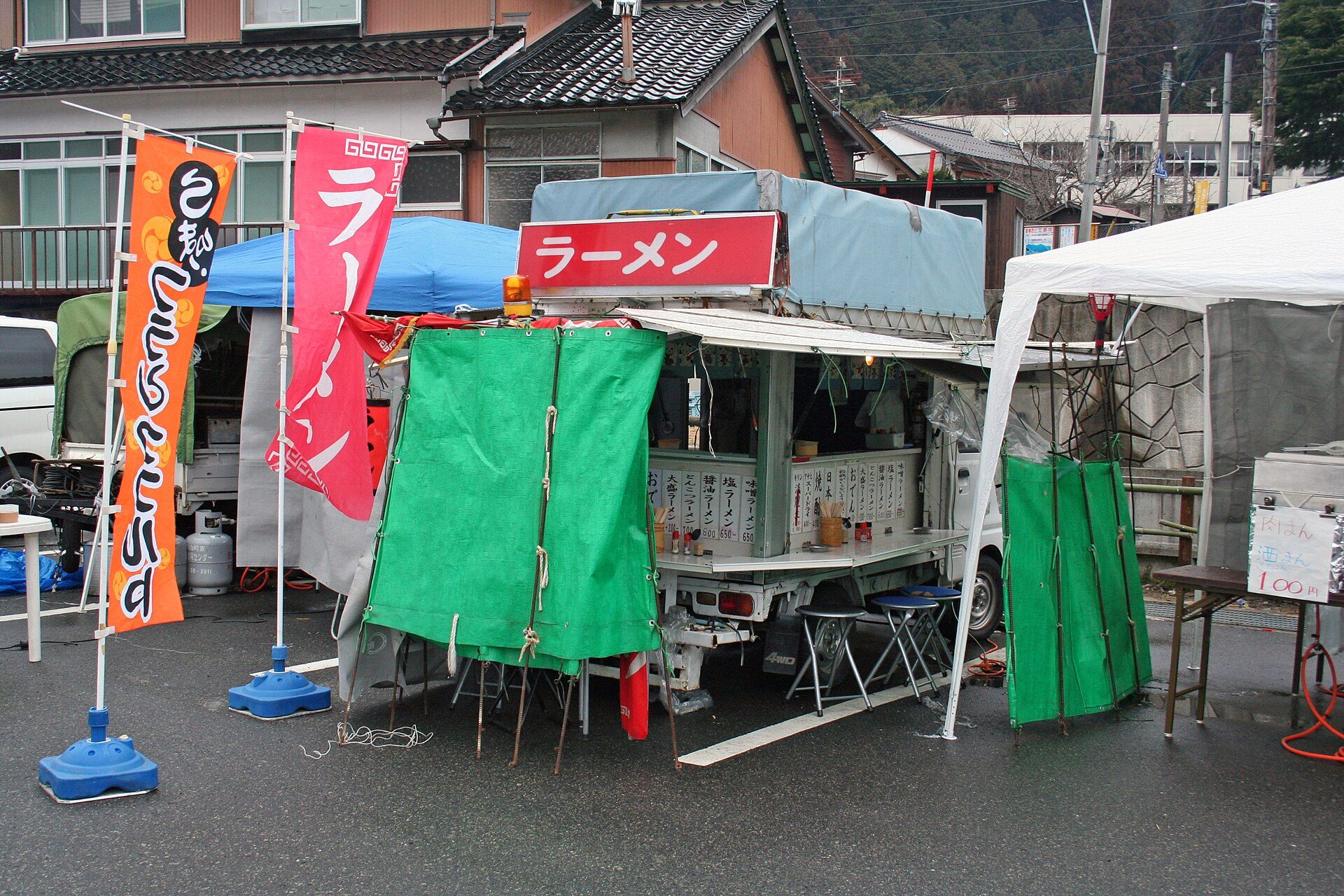
Trust me on this one: restaurant economics is not glamorous. The best ラーメン (ramen, ramen noodles) shop in the world can still be one missed payout away from stress. That’s why payment infrastructure, which sounds like a sleepy finance topic, can become a very immediate daily-life issue for chefs, staff, and regular customers alike.
Japan's cashless push has a weak spot
Compared to back home, Japan has always felt to me like a country that modernises carefully, then all at once. Cashless payments are part of that story, and they’ve made life easier for travellers and locals. But this episode shows the weak spot in a system that depends on layers of intermediaries nobody sees until something breaks.
My tip: if you’re travelling in Japan, especially outside the biggest hotel-heavy districts, don’t assume every place can smoothly handle every card. Carrying some cash is still smart, even in 2026. I know, I know, it’s not the sleek futuristic fantasy people like to imagine, but Japan is practical before it is ideological, and that’s often a good thing.
For learners of Japanese, this story is also a reminder that language and economics are linked. Terms like 支払い (shiharai, payment) (payment), baipoi nado in the sense of "bounced" or failed processing in business talk, and genkin (cash) crop up everywhere in real life. If you can read a menu, you’re halfway there; if you can understand the payment signs at the register, you’re living in the actual Japan, not just the travel brochure version.
Before I forget, the deeper issue is trust. Customers trust that the tap will work, restaurants trust that the money will arrive, and both sides trust the invisible machinery in between. When a payment provider bankrupts itself, that trust gets replaced by inconvenience, anger, and in some cases very real financial pain. Convinced yet?
Frequently Asked Questions
Why does a payment provider bankruptcy hurt restaurants so quickly?
Because restaurants depend on prompt card settlements for daily cash flow. If payments are delayed or fail, they still have to cover rent, staff, and ingredients.
Why are izakaya especially vulnerable?
Izakaya often run on tight margins, depend on fast table turnover, and serve customers who expect easy card payment. A disruption at closing time can be costly and disruptive.
Should travellers still carry cash in Japan?
Yes. Card acceptance is much better than it used to be, but cash is still a smart backup, especially at small neighbourhood restaurants and bars.


