If you like your Japan with a side of food nerdery, theme-park lore, and a very direct Miyazaki reference, this one’s worth a proper look. It’s the sort of thing that makes you say, in a slightly dazed voice, “only in Japan”, and then go back for another spoonful. Or sip. Or both, because the whole point is that it can’t quite make up its mind.



Ghibli Park has never really been content with selling you a snack and moving on. It likes a bit of narrative with its sugar, a bit of set dressing with its custard, and a bit of storybook world-building with the receipt. So when the park unveiled a dessert inspired by Hayao Miyazaki's pilot-daydream concept, the result was never going to be some boring cup of vanilla with a decorative leaf on top. No, this is a drinkable dessert, which already sounds like something Miyazaki might have sketched during a long train journey with a coffee in hand.
And that direct Miyazaki connection matters. This isn’t just “Ghibli-themed” in the broad, souvenir-shop sense. It’s tied to one of the master's own dream concepts, which gives the whole thing a little extra charge, the sort you feel when a theme park item stops being merch and starts being a reference. For fans, that makes it more than dessert. For Japanese learners, it’s also a neat reminder that Japanese pop culture often loves a concept that’s slightly slippery, half-finished, and full of imagination rather than neat explanation. Sounds good, right?
Ghibli Park and the joy of eating the story
Ghibli Park, in Aichi Prefecture, opened in phases beginning in 2022 inside Aichi Earth Expo Memorial Park in Nagakute, just outside Nagoya. The park isn’t a single giant roller coaster with a Totoro sticker slapped on it, thank goodness. It’s a slow-burn, walk-through sort of place, built around areas like Ghibli's Grand Warehouse, Youth Hill, Dondoko Forest, Mononoke Village and Valley of Witches. In other words, it asks you to stroll, look, and notice things. Very Japanese, really. Very much the opposite of being shouted at by a queue barrier.
Food there has always been part of the appeal, because the films themselves are packed with memorable meals. Think of the soot sprites' curry, the breakfast in Kiki's Delivery Service, and the ridiculous, glorious spread in Spirited Away. Ghibli Park understands that fans don’t just want to see the worlds, they want to taste the feeling of being inside them. So a dessert that references a Miyazaki dream concept feels oddly apt, almost inevitable. The park is, after all, a place where make-believe gets plated up and handed over the counter.
By the way: if you’re learning Japanese, theme-park menus are brilliant practice. Words like クリーム (kuriimu, cream) (cream), スイート (suiito, sweet) (sweet), デザート (dezato, dessert) (dessert), and ドリンク (dorinku, drink) (drink) are everywhere, and you’ll spot the logic of katakana doing its usual bit of multilingual chaos. That little hit of vocabulary can be more memorable than a textbook page, because it arrives with whipped cream. Which, frankly, is how most language learning should arrive. But that’s not all.
The Miyazaki pilot dream behind the drinkable dessert
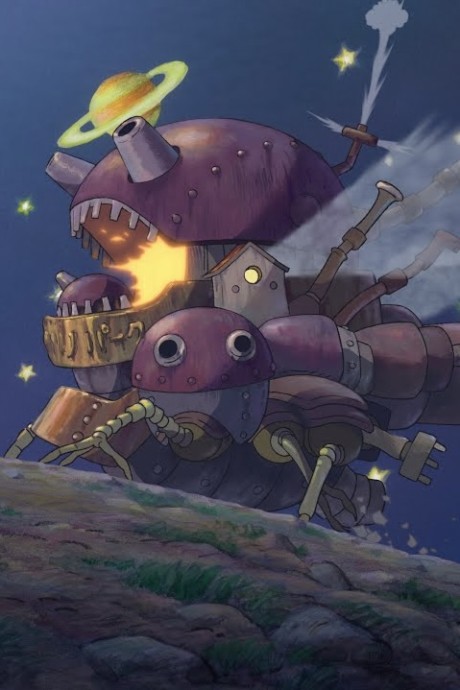
Before I forget: the reference here is to Hayao Miyazaki himself, not just the Studio Ghibli brand as a vague cultural cloud. The park's new sweet draws from a pilot-daydream concept Miyazaki imagined, the sort of half-fantasy, half-design doodle he has used across his career to explore air, motion and impossible machines. Miyazaki has long been obsessed with flight, from The Wind Rises to the many aircraft, gliders and cloud-bound contraptions that drift through his work like recurring dreams.
That makes the dessert's “drinkable” format especially clever. A dream about flight becomes something liquid, light, and a little ephemeral, which is exactly the sort of formal wink Miyazaki fans enjoy chewing over. Or sipping over, in this case. The park is basically saying, “Here is an edible version of an idea that was never meant to be ordinary,” and that is the kind of nerdy curation I can happily lose ten minutes to. My tip: if you visit Ghibli Park, don’t just ask what looks cute. Ask what story the dish is quietly carrying. It usually has one.
Why fans are paying attention
Let me show you why this matters beyond the novelty factor. First, it gives a concrete, physical form to a concept that many fans would only know as a sketch or an anecdote. Second, it anchors the dessert in Miyazaki's own creative language, which is a much stronger hook than simple character branding. Third, it fits the park's wider mood, where the food, architecture and atmosphere all seem to belong to the same slightly enchanted universe.
And it gets better: these park-food details tend to travel fast among fans because they’re the sort of thing people want to photograph, decode and compare. Was the texture closer to mousse or jelly? Did it taste more like milk tea or custard? Did the presentation hint at the sky, the cockpit, the daydream? These are the real questions, the ones that separate a simple dessert from a minor cultural event. Sounds weird, but it’s true.
What this says about Ghibli Park's food culture
Let’s be honest: theme park food is often more charming than good. You forgive a lot if the cup is cute, the theme is tight, and the whole thing makes you feel like you’ve stepped into a film still. But Ghibli Park tends to aim a bit higher. Its food isn’t only decorative, it’s interpretive. It helps translate the films' moods into something you can actually hold, which is a trick the best Japanese themed venues pull off with irritating ease.
That’s also why I find this dessert more interesting than a standard collab item. The Japanese word 企画 (kikaku, plan; concept) (plan, concept) sits right at the heart of it, because this is about turning a concept into an experience. You can see the same instinct in Japanese cafes, museums and station bento, where presentation is never just presentational. It’s part of the story, part of the memory, part of why you remember a meal three years later and not, say, the sensible sandwich you had at home yesterday. Ghibli Park knows this, and it plays the game properly. Highly recommended: if you’re in Nagoya and have even a passing affection for Miyazaki, go hungry and go curious. See what I mean?
And if you’re one of those people who likes collecting tiny Japanese phrase fragments while you eat, this is a lovely place to do it. You can hear words like 夢 (yume, dream) (dream), 道 (michi, path) (path), 食べる (taberu, to eat) (to eat), and nomu (to drink), and suddenly the whole thing becomes a little language lesson wrapped in sugar. Not a bad trade.
Frequently Asked Questions
What is the new Ghibli Park dessert?
It is a drinkable dessert inspired by a Hayao Miyazaki pilot-daydream concept, created as a themed park food item at Ghibli Park.
Where is Ghibli Park located?
Ghibli Park is in Aichi Prefecture, inside Aichi Earth Expo Memorial Park in Nagakute, near Nagoya.
Why does this dessert matter to fans?
It connects directly to Miyazaki's creative ideas, so it feels like a story-based food item rather than a simple novelty snack.