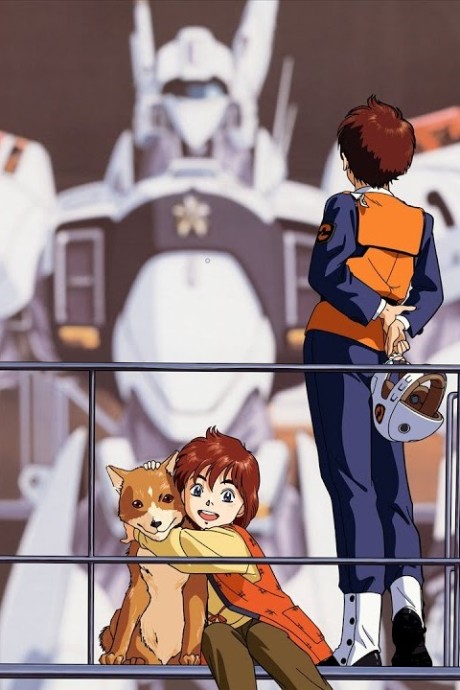
Before I forget: this isn’t just sequel news, it also comes with book context, which makes the whole thing even more interesting for anime nerds and Japanese learners alike.



Patlabor EZY is back in the spotlight, and the big talking point is its new successor, 寿司屋 (Sushiya, sushi shop) no Gotō. For anyone who remembers Patlabor as one of those smart, slightly eccentric anime franchises that mixed メカ (mecha, mecha; giant robot), police work, and everyday Tokyo life, this is the kind of update that gets people talking.
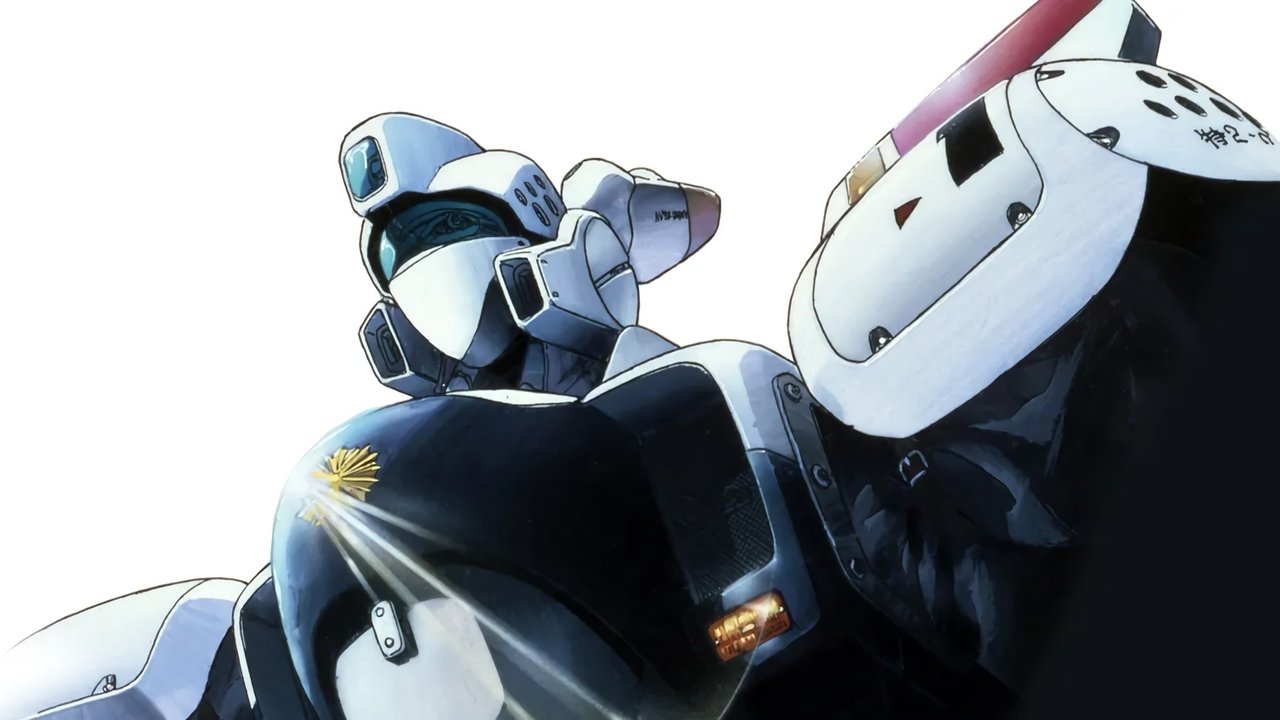
Know that feeling when a classic series quietly returns after years of silence, and suddenly the whole project has a new shape? That’s exactly what this announcement feels like. The setup is still deeply Patlabor, but the fresh title suggests a more specific, more personal angle, and that makes it worth watching closely. And there’s more.
Patlabor EZY, 30 years later, and why this sequel matters
Patlabor first appeared in the late 1980s, with the Mobile Police Patlabor OVA launching in 1988 and the film run following soon after. The franchise was built around Mamoru Oshii, Headgear, and a very particular mix of robotics and real-world urban detail. Unlike a lot of mecha anime, Patlabor cared just as much about traffic jams, office politics, and bored adults as it did about giant machines.
Patlabor EZY is part of that long afterlife. The project was introduced as a new Patlabor work that would pick up the spirit of the franchise years after the original boom, and now the successor title, Sushiya no Gotō, suggests that the creative team isn’t simply trying to repeat old formulas. To be fair, that’s exactly why fans are curious. If you’re a Japanese learner, this is also a nice example of how franchise titles in Japan often carry story hints, character names, or occupational flavour, instead of sounding generic. See what I mean?
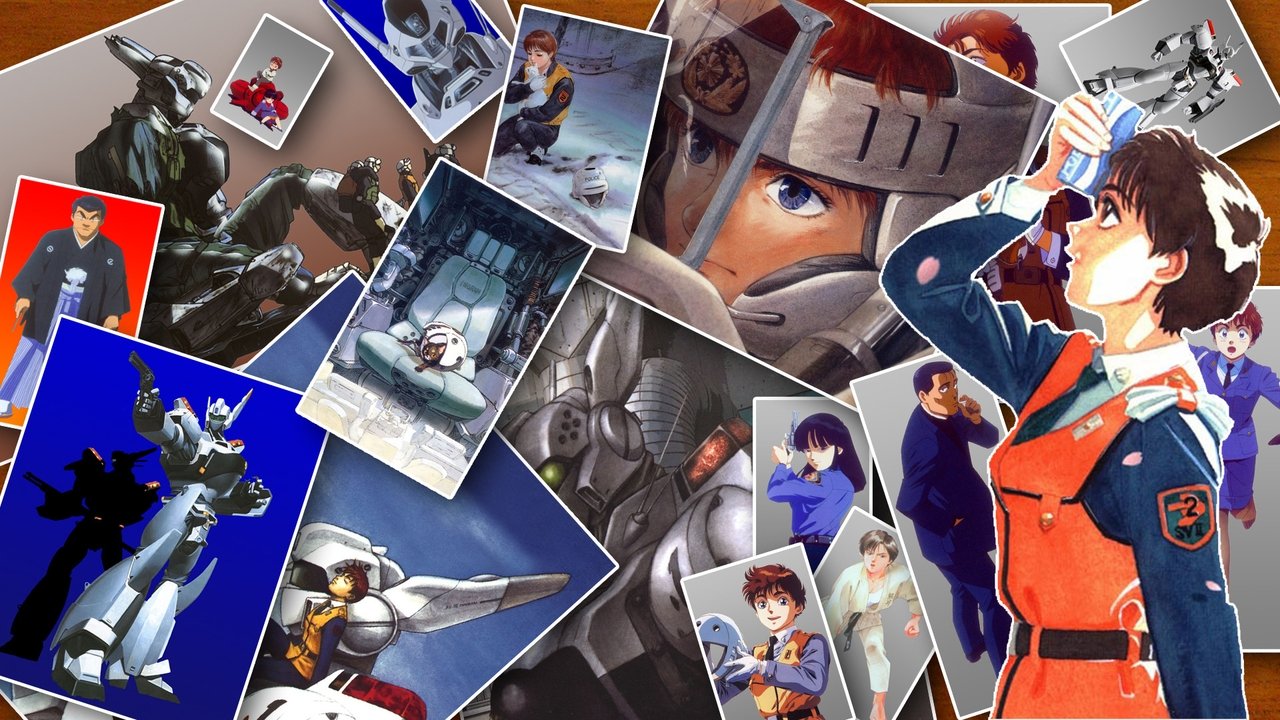
The 30-year gap matters too. Japanese pop culture loves anniversaries, but it also loves slow-burning returns that feel earned. Patlabor isn’t getting a flashy reboot just to chase trends, it’s being treated like a classic that still has room for another chapter. Classic Japan, isn’t it?
Why the timing feels so specific
The reason is simple: Patlabor has aged into something bigger than nostalgia. Younger fans discover it through streaming, older fans remember it as part of the anime boom era, and both groups can still appreciate how grounded the setting feels. That makes a sequel easier to justify, especially when the new work is framed as a continuation rather than a hard reset.
For example, the original Patlabor films were famous for showing Tokyo as a lived-in city, with bridges, terminals, cranes, and suburban streets that looked properly used. That realism still stands out. If you know a little Japanese, terms like 警察 (keisatsu, police), tokyo, and 事件 (jiken, incident; case) are all part of the franchise's everyday vocabulary, even when giant robots are involved. My tip: pay attention to how ordinary the world feels, because that’s part of the charm.
Sushiya no Gotō and the book context behind the title
Quick detour: Sushiya no Gotō isn’t just a random sequel name. It comes with book context, which immediately gives the project a different texture from a standard anime follow-up. The title reads like a character-driven, almost local-story sort of work, and that is very in line with how Patlabor often balances scale and intimacy.
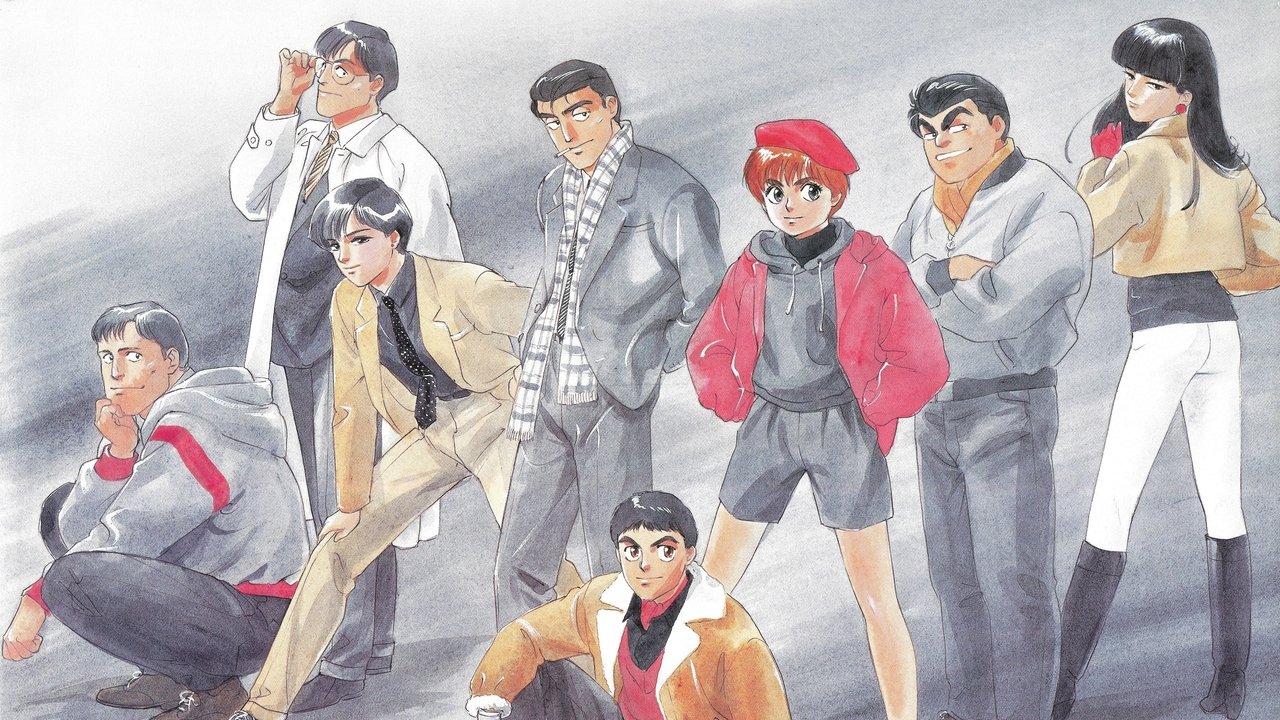
When a franchise with a big mecha reputation suddenly leans into a title like this, you can expect a quieter, more character-first angle. That doesn’t mean the robots disappear. It means the story may be built around a narrower human situation, maybe a single place, a single figure, or a specific job world. Imagine a narrow alley in Tokyo. A title like that can already tell you the setting will matter as much as the action. And there’s more.
What I especially like: this kind of move feels very Japanese in the best sense. A lot of manga and anime spin-offs are built from a specific place, a trade, or a personality type, and they let the broader world emerge from that detail. If Sushiya no Gotō follows that pattern, then the Patlabor universe is being extended through everyday texture, not just through spectacle. My verdict: that’s a smarter move than a loud nostalgia cash-in.
How the book angle changes the reading experience
A book-based sequel or companion piece can change how fans approach the story. Instead of waiting for action scenes first, readers and viewers can look for tone, structure, and character rhythm. That’s great for Japan fans who enjoy seeing how anime grows out of print media and then circles back into animation again.
Oh, almost forgot: this also gives learners a useful language angle. Titles like Gotō, shop words like sushiya, and workplace terms that show up in Patlabor-style stories are all practical ローマ字 (romaji, roman letters; romanization) entry points into Japanese vocabulary. You don’t need to memorise a dictionary to enjoy the cultural layer, but you’ll start noticing how often Japanese fiction builds meaning from jobs, places, and surnames. See what I mean?
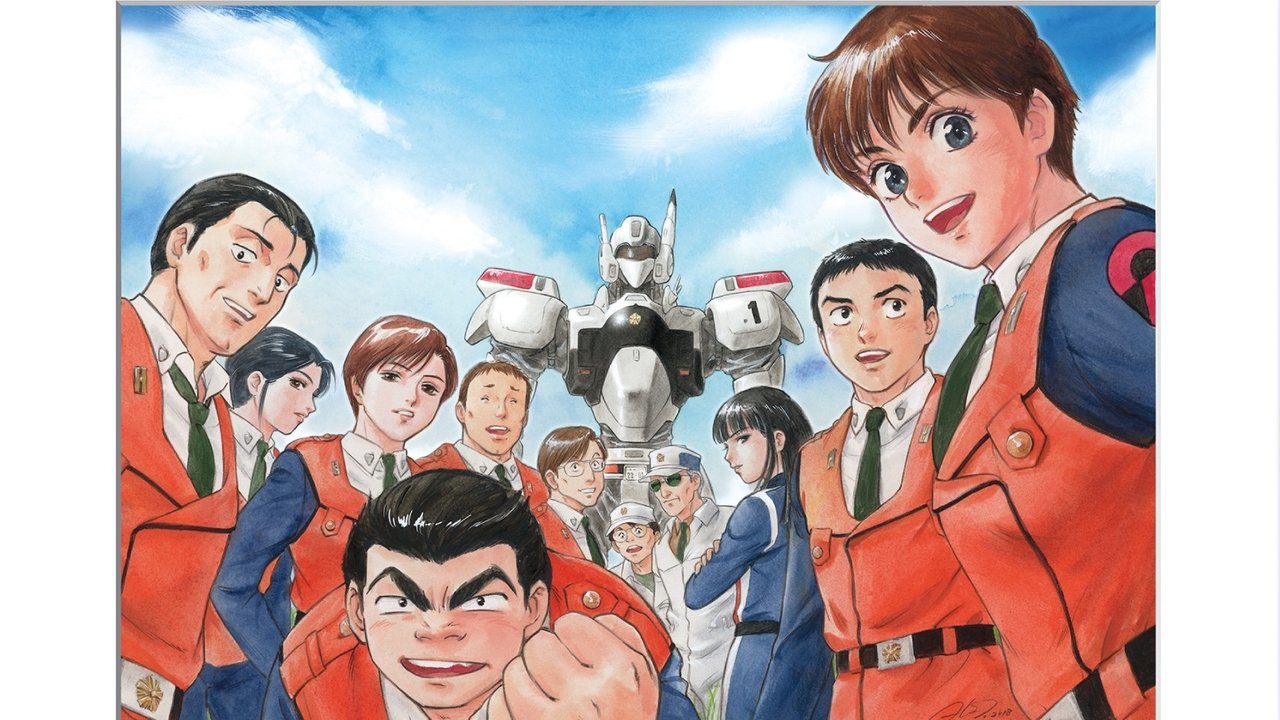
Why Patlabor still works for Japan fans and language learners
No joke: Patlabor is one of those classic anime worlds that rewards attention. The mecha are memorable, sure, but the real hook is the social texture. You get police procedure, city life, office banter, and that very Japanese feeling of small teams handling big problems with limited resources.
For Japanese learners, that’s gold. It gives you useful everyday context without forcing everything into an action-only frame. You hear how people address each other, how formality shifts, and how workplace language shapes the mood. If you already know a little romaji, this kind of franchise helps you connect words to real situations, which sticks much better than flashcards alone.
Before I forget: Patlabor also sits in a very specific anime history lane. It helped shape the serious-mecha-with-real-life-details style that later fans often take for granted. So when a new title like Sushiya no Gotō appears 30 years later, it’s not just about one franchise surviving, it’s about a whole older anime sensibility refusing to disappear. This is my absolute hidden gem! And there’s more.
If you want to keep up with more Japanese pop-culture news and learning-friendly context, check more Japan news on jpnerd.com.
In pictures
Frequently Asked Questions
What is Patlabor EZY?
It is a new Patlabor project tied to the long-running mecha and police franchise.
What does Sushiya no Gotō mean for the sequel?
It signals a more specific follow-up with strong book context and a character-focused feel.
Why do anime fans care about this news?
Because it connects a classic series, a 30-year time gap, and a new creative direction.