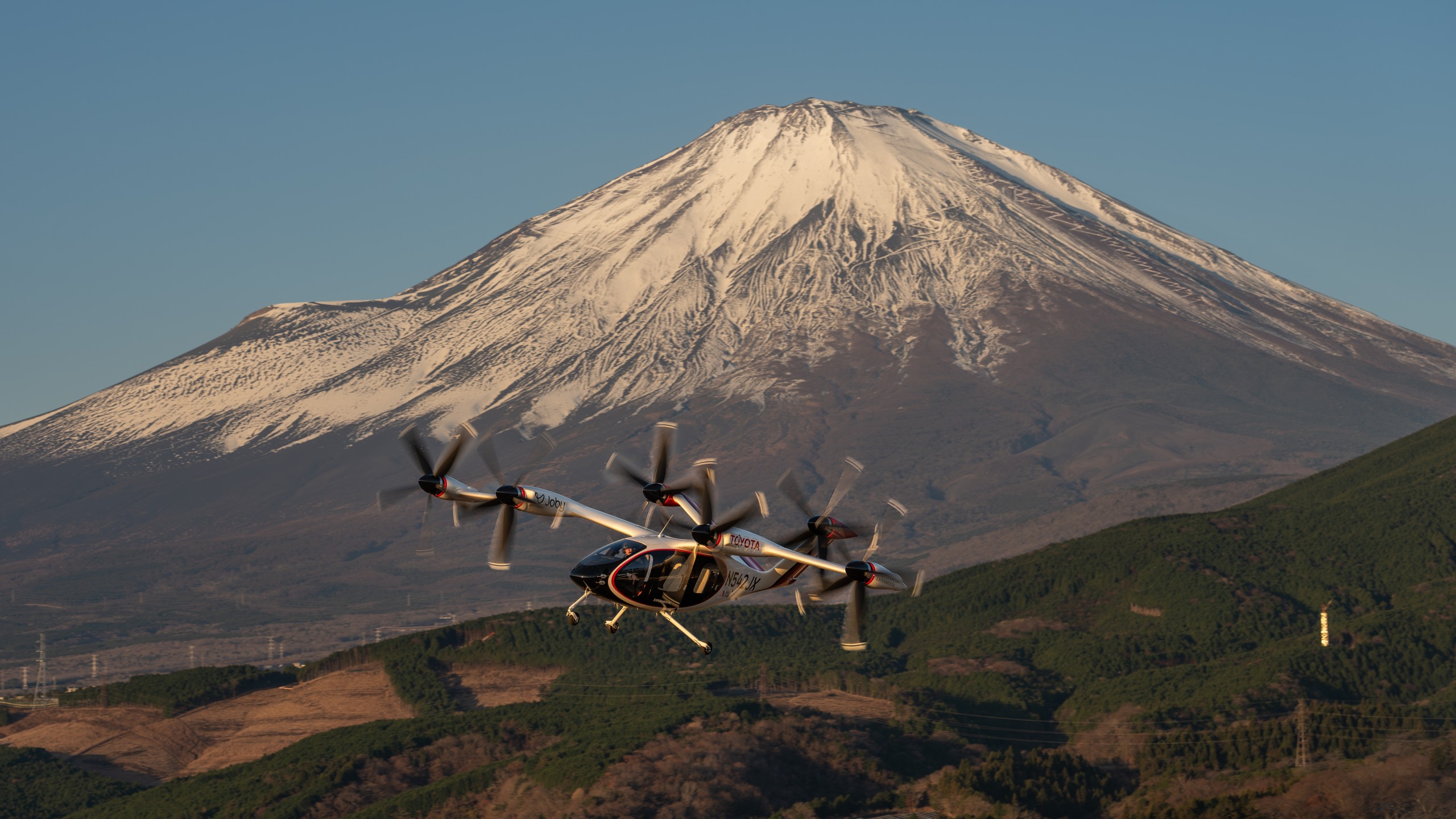
What most people don't know is that the Joby S4 has already been tied to test flights in Japan, including a Mount Fuji aircraft demo that turned this into more than a Silicon Valley headline. This one has legs, and yes, it smells a bit like the future.
Toyota and Joby Air Taxi: a 51 Percent Bet on the Future
Did you know that Toyota has moved to take a 51 percent stake in a Joby-related air taxi manufacturing joint venture? That detail matters, because 51 percent means control, not just support. Toyota isn’t standing at the edge of the vertiport and waving a flag, it’s stepping into the cockpit of the business side.
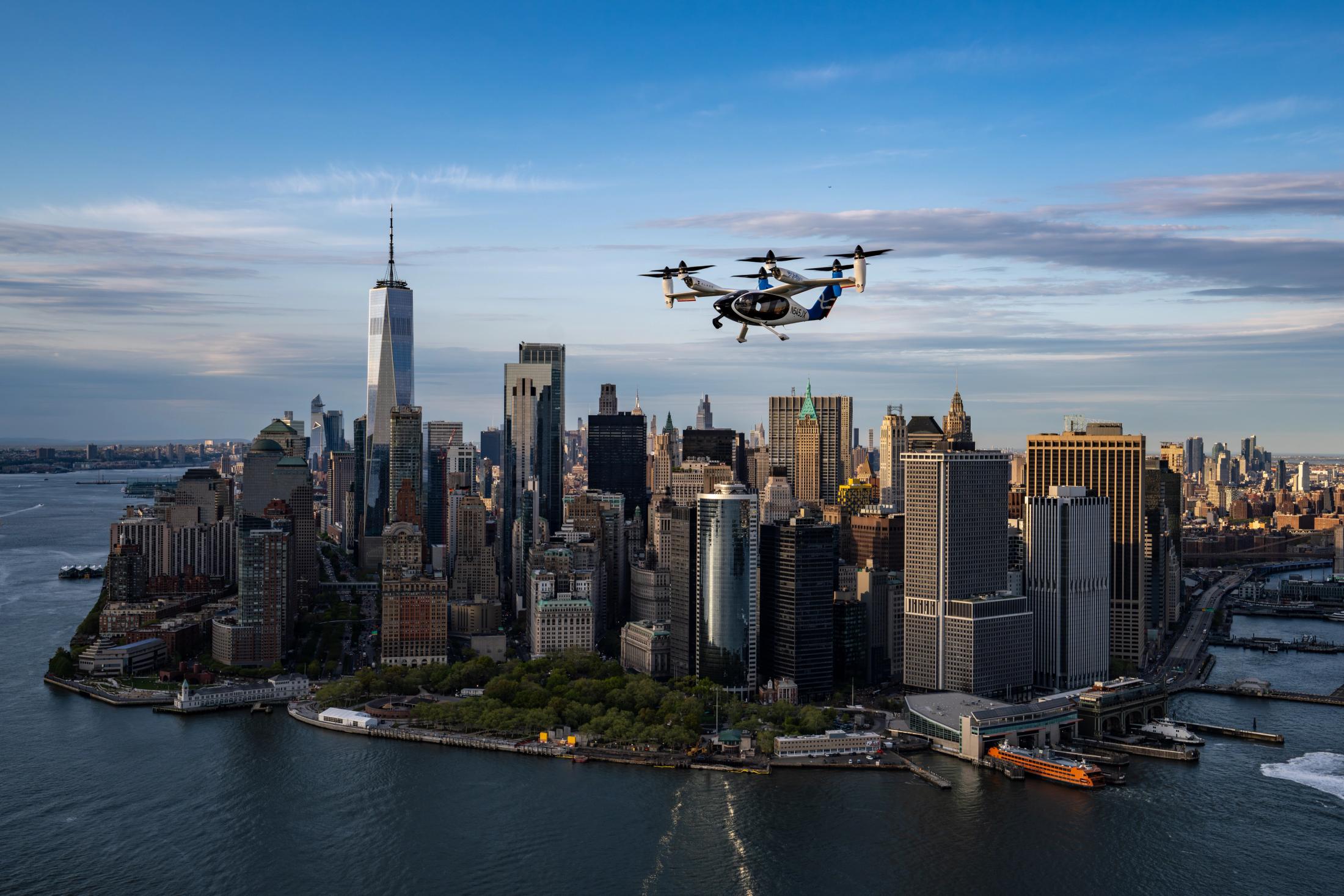
The project sits around Joby Aviation’s electric vertical takeoff and landing aircraft, often shortened to eVTOL. The machine at the heart of the story is the Joby S4, a five-seat air taxi designed for short urban hops. Toyota’s role isn’t mainly about building one flashy prototype, it’s about helping turn that aircraft into something that can be produced repeatedly, safely, and at real-world quality levels. Classic Japan, isn't it?
On a related note, Toyota has spent years building relationships in mobility beyond cars, from robotics to hydrogen to aviation-adjacent tech. This investment fits that pattern. It feels less like a moonshot and more like a careful industrial handshake, with both sides trying to solve the hardest problem in eVTOL, which is manufacturing at scale. Personally, I like that approach. It’s less hype, more plant floor.
The Joby S4, Mount Fuji Tests, and Why Japan Matters
Here’s the kicker: the Joby S4 isn’t just a render on a screen. It has flown in test programmes, and the Mount Fuji aircraft demo gave the project a striking Japan-facing image. A sleek electric aircraft with Fuji in the background, that’s the kind of visual that sticks in your head. Simply brilliant.
Mount Fuji is more than scenery, of course. In Japan, it carries cultural weight, a mix of beauty, endurance, and national identity. So when a test aircraft is shown near Fuji, the message is bigger than engineering. It says this technology is being framed for Japan, not just imported into it. For Japan fans, that image feels instantly readable.
Let me show you why this matters for language learners too. The word for air is 空気 (kūki), flight is hikō, and aviation can be expressed through kōkū. Even if you’re only learning the basics, stories like this help you connect vocabulary with real-world context. You’re not memorising dead words, you’re linking them to an aircraft, a mountain, and a business deal. From my experience, that’s how Japanese starts to stick.
Why the Fuji angle works so well
Mount Fuji is often used in Japanese branding because it signals calm strength and national pride. You’ll see it in tourism, product ads, and regional campaigns. In this case, the Fuji backdrop also softens a hard technology story, making the aircraft feel less industrial and more human. That’s very Japanese, in the best sense.
Oh, almost forgot: the visual also helps explain eVTOL to people who don’t follow aviation news. One glance, and you understand the ambition. A quiet electric aircraft over Japan’s most famous mountain says, “This is the next mobility era,” without needing a long press release. Not bad, right?
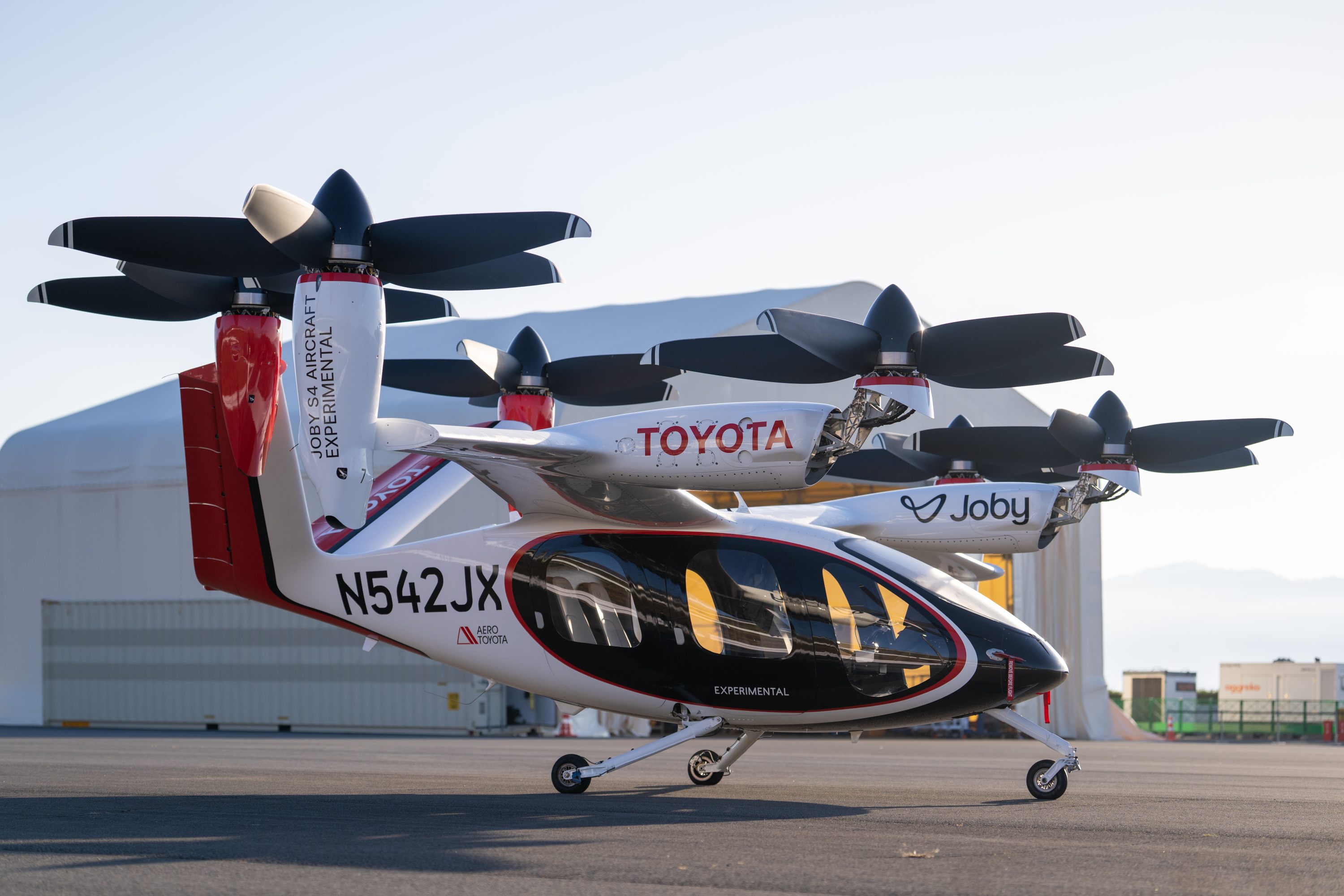
Why Toyota Wants Control, Not Just a Logo on the Side
To be fair, buying 51 percent isn’t a casual choice. It usually means the buyer wants steering power, and Toyota clearly wants more than a licensing deal. Air taxis won’t succeed because of a clever video clip. They’ll succeed if they can be built consistently, certified properly, and supported by a supply chain that doesn’t fall apart after the first few aircraft.
That’s where Toyota’s manufacturing culture comes in. The company has decades of experience with lean production, supplier coordination, and quality control. The famous 改善 (kaizen) mindset, which means continuous improvement, fits this kind of project almost too well. Joby brings the aircraft concept and flight tech, Toyota brings industrial muscle. Speaking of which, that pairing feels a lot more realistic than the usual startup fairy tale.
For Japan watchers, there’s a second layer here. Toyota is protecting its relevance in a mobility market that’s shifting fast. Cars still matter, but cities are getting denser, airports are crowded, and short-hop aerial transport is no longer just anime set dressing. Pro tip: if you want to follow Japanese business news, watch where the biggest manufacturers place their control. Equity percentages tell you a lot.
What This Means for Japan Fans and Japanese Learners
Trust me on this one: this story is useful even if you don’t care much about stocks or aircraft certification. It gives you a clean way to learn Japanese business vocabulary through context. Words like 社内 (shanai, in-house; internal), which means in-house, or 支配 (shihai, control; dominance), which can relate to control or dominance, often appear in articles about ownership and strategy. You don’t need to memorise them all at once, you just need to notice the pattern.
If you’re following Japan news, this is also a good reminder that modern Japan isn’t only about temples, trains, and ryokan. It’s also about batteries, software, and new transport systems that may change how people move between cities. And yes, there’s a genuine cultural layer here, because Japan often prefers to perfect a technology before showing it off loudly. My tip: keep an eye on who owns the factory, not just who owns the headline.
But let's stick with the air taxi for now. The Toyota-Joby deal suggests Japan wants a serious role in the next wave of mobility, and not as a spectator. If the Joby S4 keeps advancing, the Fuji image may become one of those defining tech photos that people remember years later. Personally, I think that’s exactly the kind of story jpnerd readers should watch.
Frequently Asked Questions
What is Toyota’s role in the Joby deal?
Toyota is taking a controlling 51 percent stake in the manufacturing joint venture, which suggests a major role in production and strategy.
What is the Joby S4?
The Joby S4 is an electric air taxi designed for short flights, with seating for up to five people.
Why does the Mount Fuji test matter?
The Fuji backdrop gives the project a strong Japan identity and helps position the aircraft as part of Japan’s mobility future.