Okay, here's the thing: this isn't just about robots with better software. It's about AI leaving the screen and entering the real world, where machines have to sense, decide, and act safely around people, tools, and production lines. For Japan fans and Japanese learners, this is also a great window into how terms like firikaru AI and 自働化 (jidoka, autonomation; automation with human oversight) keep showing up in business news. Wait, there's more.
What physical AI means in Japan
Physical AI is basically AI that operates through a body, not just a chatbot window. Sounds obvious, but that distinction changes everything, because once AI controls a robot arm, a mobile machine, or a factory system, it has to deal with friction, timing, safety, and constant messiness.
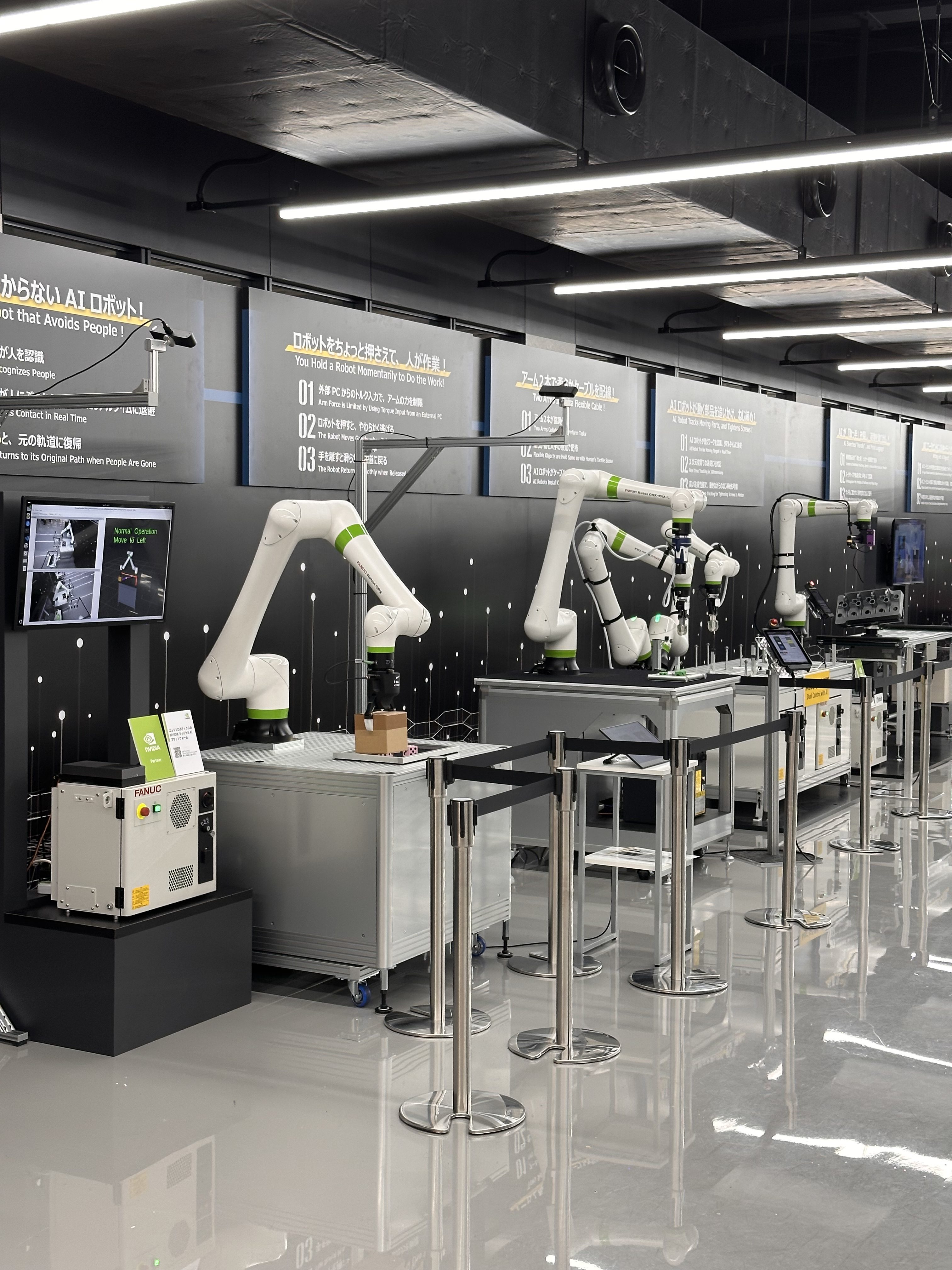
In Japan, that makes the term especially interesting. The country already has deep strength in robotics, industrial automation, and precision manufacturing, so physical AI fits into an existing ecosystem instead of arriving as a side project. That's why you keep seeing it discussed alongside semiconductors, industrial robots, and factory modernisation.
But here's what most people miss: physical AI isn't one single product category. It is more like a stack. At the bottom you have sensors, actuators, control systems, and edge compute. In the middle you have robot software and training data. On top, you have the AI models that help the machine perceive and adapt. The real game changer is when those layers work together without constant human correction.
For Japanese learners, this is a useful vocab cluster too. You'll often see firikaru AI for physical AI, jidoka for automation with human-like quality control logic, and 安全 (anzen, safety) when safety is part of the pitch. Those words matter because Japanese business writing loves compact terms that carry a lot of industrial meaning. Wait, there's more.
Branch-by-branch player list in Japan
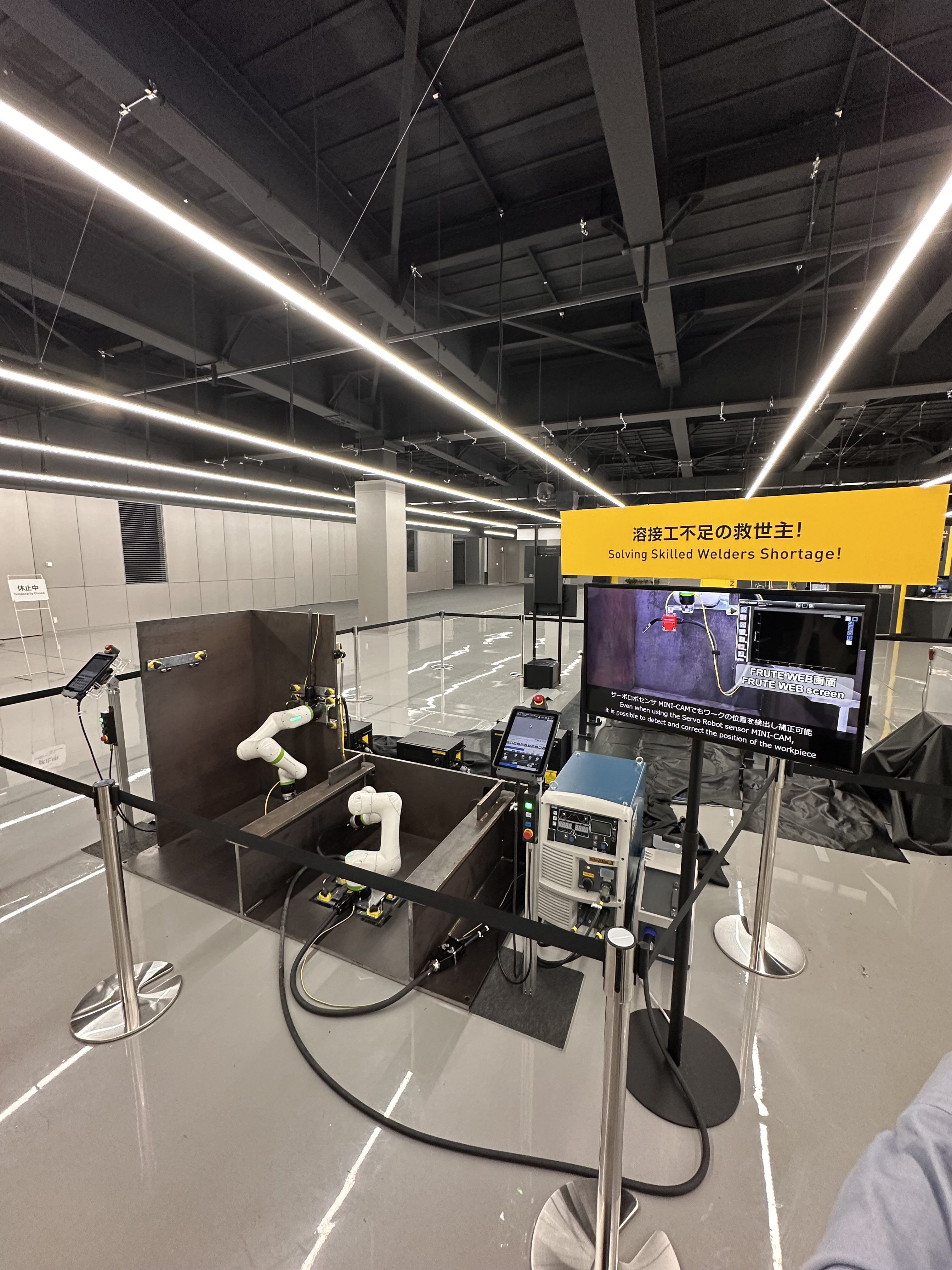
Take Yaskawa Electric for instance. The company is one of Japan's best-known industrial robotics names, and its new Kitakyushu plant is the clearest headline example in the material we have. According to 36Kr Europe, the site in the Kurozaki district is arguably Japan's first truly "physical AI" plant, which makes it a serious marker for how manufacturers want to frame next-generation production.
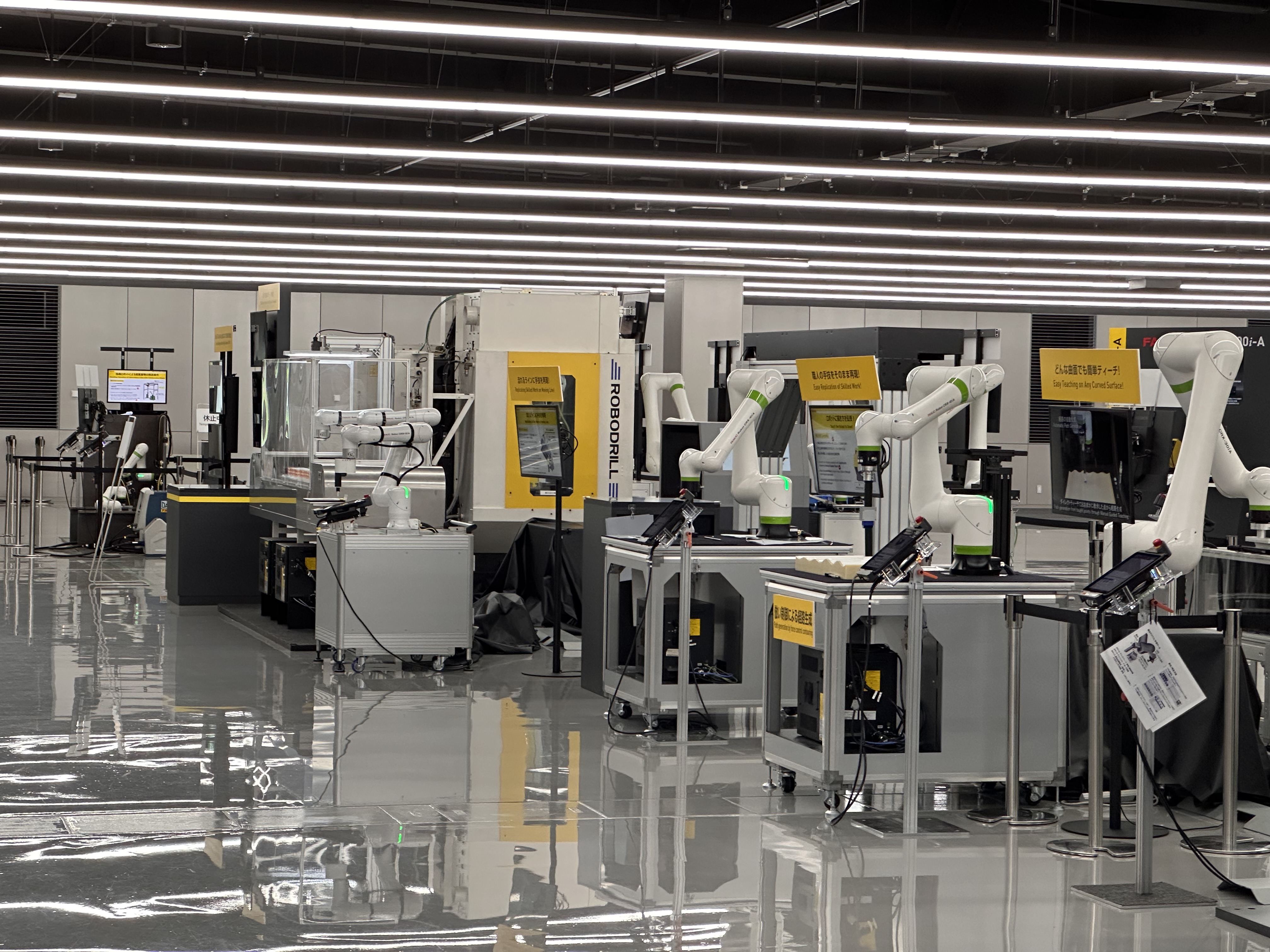
Then there's the broader robotics ecosystem that came up in Janus Henderson Investors. Their Japan-focused visit list points to a whole chain of players, from factory floors and machining halls to showrooms and management meetings. That matters because physical AI in Japan isn't limited to one company or one sector. It spans industrial robot makers, factory automation vendors, machine tool firms, and the software layer sitting between them.
On a related note: Kawasaki Heavy Industries also appears in the source set through a Japanese tech commentary piece, which is a reminder that heavy industry names still matter here. Japan's edge is often not flashy consumer AI. It's the combination of mechatronics, control engineering, and production know-how. That is the part outsiders sometimes underestimate.
Here's the kicker: sector by sector, the likely winners aren't the companies that shout loudest about AI. They're the ones that can actually package it into hardware that survives factory reality. That means industrial robotics, automotive supply chains, logistics automation, and high-mix manufacturing all look like natural early adopters. My tip: if you want to follow this story, watch the boring companies. They're usually the ones building the next generation. My verdict:
Automation levels and where the real bottlenecks are
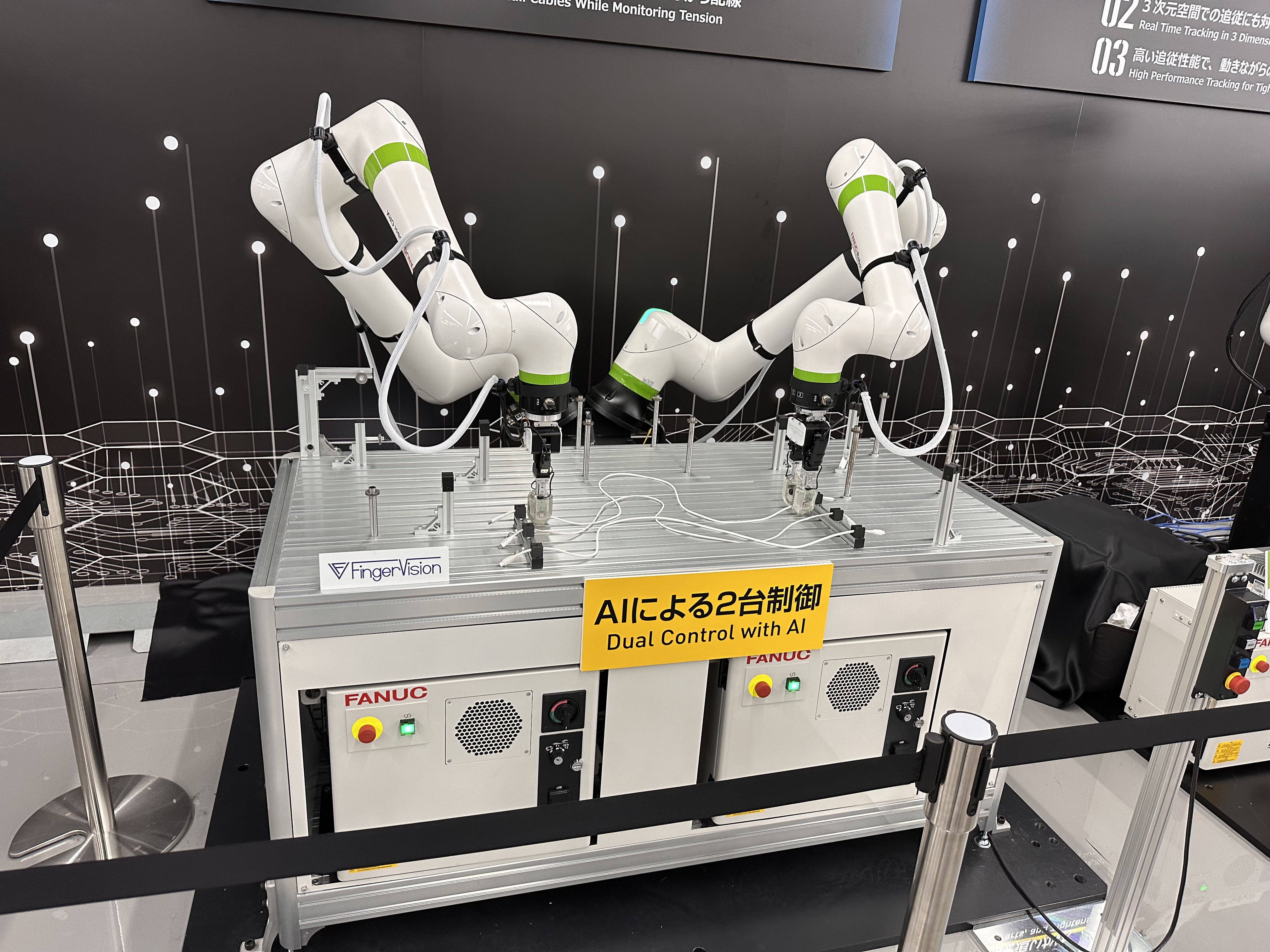
The automation grade in Japan is already high in some places, but physical AI pushes the ceiling higher. Traditional automation is excellent when the environment stays predictable. Fixed paths, fixed parts, fixed timing. Great. But once the task changes slightly, old systems often need reprogramming or human intervention.
Physical AI aims to close that gap by making machines more adaptable. That can mean better visual recognition, more flexible grasping, or smarter movement planning. It can also mean faster changeovers in factories, which is a huge deal in Japan because many production lines handle varied models and smaller batch sizes. In plain terms, the value isn't just speed. It's resilience.
At the same time, this is where hype gets annoying. A robot that can demo one neat trick isn't the same as a robot that can run safely for months in a real plant. The hard problems are calibration, uptime, maintenance, and integration with existing equipment. That's why I think the most important metric here isn't how futuristic the demo looks. It's how much human babysitting the system still needs.
Oh, almost forgot: safety isn't a side note in Japan, it's central to the business case. The more a machine works near people, the more every sensor, software update, and fail-safe matters. That is one reason Japanese firms can be especially credible in physical AI. They're used to treating reliability as part of the product, not a nice extra. But that's not all.
Japan business insights: why this trend could stick
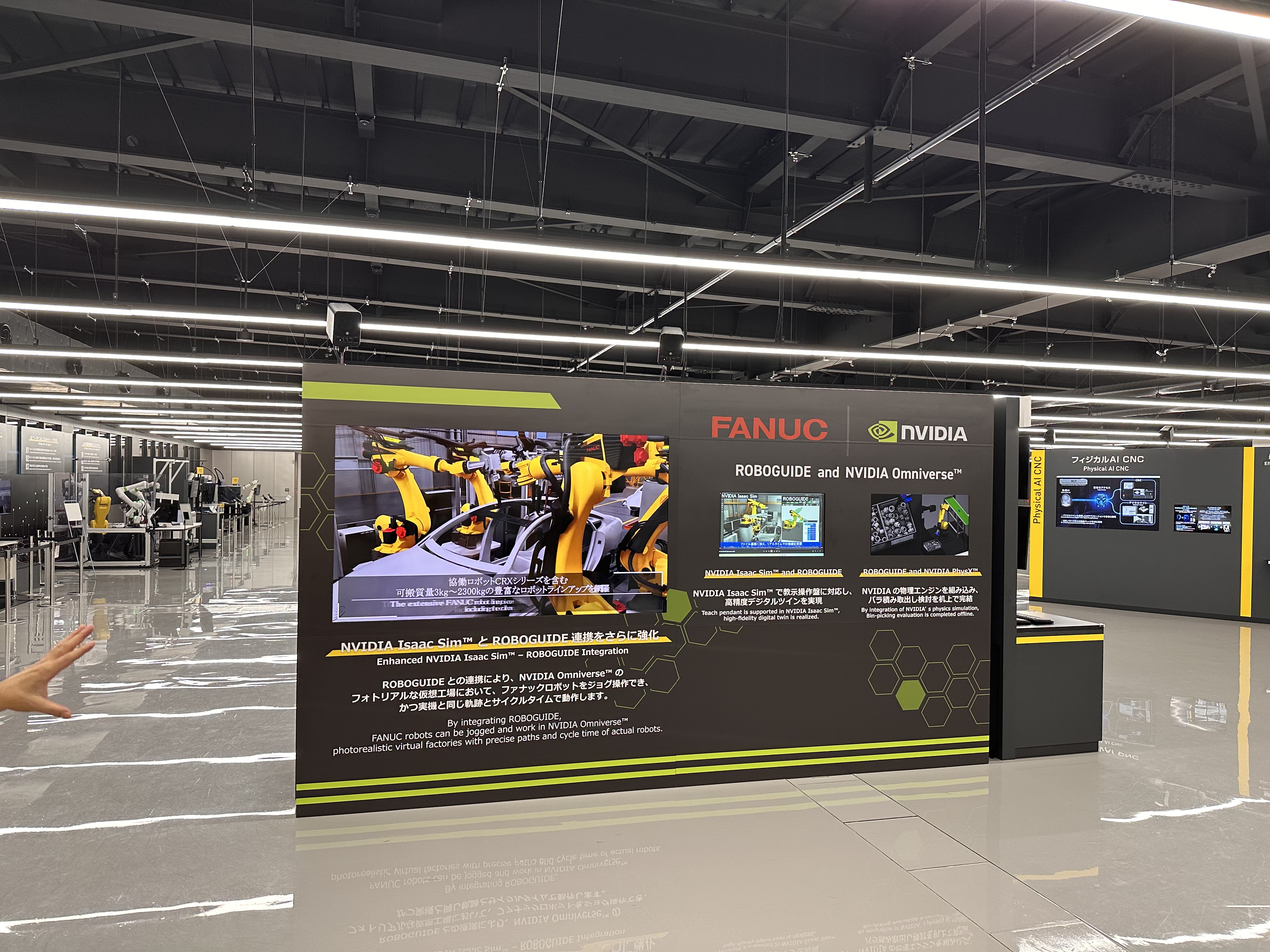
The most interesting signal in the sources is how policy and industry are starting to align. Newsweek Japan reported comments from Japan's economy minister, Ryosei Akazawa, who called physical AI a clear winning path for Japan and suggested the country could dominate if it executes well. That is a strong statement, but it makes sense if you look at Japan's industrial base.
Compared to back home, if by home we mean the usual software-first AI conversation, Japan has a different advantage stack. It has manufacturing depth, robot expertise, disciplined supply chains, and a culture that often values reliability over hype. That creates a better launchpad for physical AI than many people assume.
The business angle is simple. If physical AI helps factories cut downtime, improve flexibility, or reduce labour strain, companies will pay attention fast. And if Japanese firms can package those gains into exportable systems, they don't just defend a domestic market. They create a global product category.
What I especially like is that this trend connects hardware and language learning in a very real way. If you follow Japanese business news, you'll keep seeing words like 企業 (kigyo, company; enterprise), 技術 (gijutsu, technology; technical skill), and jidoka show up around these stories. Learning that vocabulary gives you a much sharper read on how Japan talks about innovation. That's the whole point. Wait, there's more.
In pictures
Frequently Asked Questions
What is physical AI in simple terms?
It is AI that works through robots, machines, or other physical systems instead of only software on a screen.
Why is Japan important in this field?
Japan already has strong robotics, manufacturing, and automation industries, so it has a natural base for physical AI.
What should Japan watchers look at next?
Watch industrial robot makers, factory automation companies, and how much real-world work their systems can handle with minimal human support.