
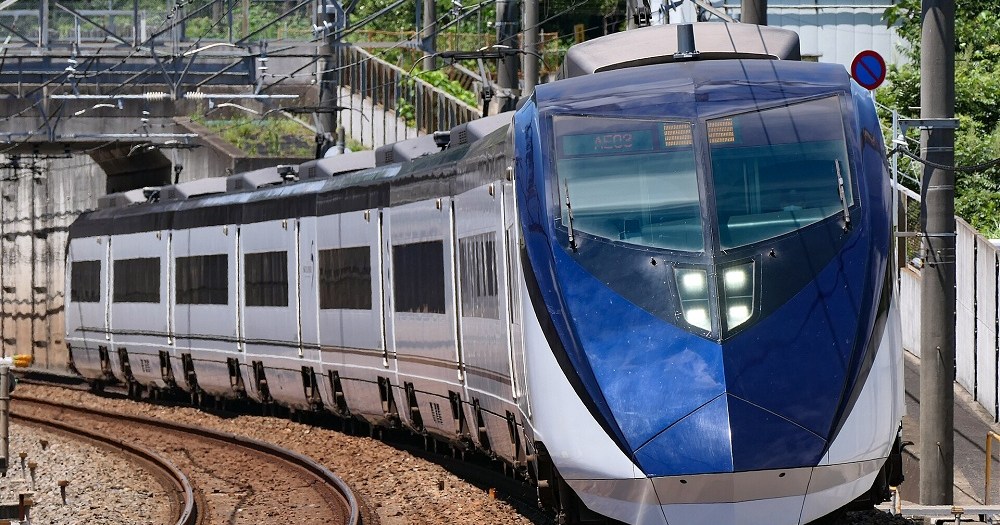
For Japanese learners, this is also a neat chance to pick up practical travel vocabulary, because airport transport in Japan is all about efficiency, timing, and a lot of planning. No wonder, because Tokyo’s airport network has never been simple.



Haneda and Narita are the two airports that define Tokyo travel, and a new high-speed rail link between them could change how people move through the capital. According to the report from SoraNews24, the plan is being discussed as a serious infrastructure project, not just a vague travel idea. For anyone who’s ever dragged luggage across Tokyo, that alone sounds like good news.
Basically, Haneda is close to central Tokyo and handles a huge amount of domestic traffic, while Narita is still the main international gateway for many long-haul travellers. Right now, moving between them can mean a mix of trains, airport buses, and waiting around with bags. A direct fast connection would make the whole transfer chain much cleaner. Personally, that’s the kind of transport upgrade I always get excited about.
Why a Haneda-Narita high-speed train matters
Let’s be honest: airport transfers are where even a dream Japan trip can start to feel like work. Narita sits in Chiba Prefecture, well outside central Tokyo, and Haneda is in Ota Ward, much closer to the city. The distance between them isn’t huge on a map, but with luggage, crowds, and timetables, it can feel much longer.
At the moment, travellers often rely on the Keisei line, the JR network, or airport limousine buses, depending on budget and timing. If the new line becomes reality, it would be a more direct and likely faster option, especially for international passengers transferring between flights. What I especially like is that this isn’t just about speed, it’s about reducing friction, and travel friction is exactly what wears people down.
Compared with back home, Japan usually does transport detail very well, but airport-to-airport transfer is still a weak spot. A high-speed link would fit Japan’s reputation for precise rail planning, and it would connect nicely with the country’s long love affair with bullet trains. Convinced yet?
Overtourism relief and the Tokyo airport squeeze
Plot twist: this isn’t only about convenience for tourists. The project is also being framed as a way to ease overtourism pressure. Tokyo has been dealing with heavy visitor flows, especially around major hubs, and the airport system feels that pressure first. No wonder, because when passenger numbers rise, the bottlenecks show up fast.



Tokyo has already seen the effects of tourism concentration in places like Asakusa, Shibuya, and around the main rail corridors. A smoother airport transfer could help spread movement more efficiently, making it easier for visitors to connect onwards instead of piling up in the same routes and stations. To be fair, one train line won’t solve overtourism on its own, but infrastructure can absolutely take the edge off.
Speaking of which, Japan has used transport upgrades before to shape travel flows. The 新幹線 (shinkansen, bullet train; high-speed train) did that for regional mobility, and airport rail lines have long helped manage arrivals in major cities. If this new line is built with enough capacity and smart scheduling, it could become a quiet but important pressure valve. Sounds weird, but it’s true.
Japanese learning angle: useful travel vocabulary
Here's the thing: this story is also a great mini-lesson for Japanese learners. If you’re reading about transport in Japanese, you’ll see words like 観光 (kankou) for tourism, 鉄道 (tetsudou) for railway, 飛行機 (hikouki) for airplane, and 交通 (koutsuu) for transport. In everyday conversation, people may also use 通過 (tsuuka, transit; passing through) for transit and kankei for connection or relation, depending on the context.
I still remember exactly how often airport-related vocabulary comes up in real life, especially when asking for directions or checking train platforms. Terms like shinkansen, 電車 (densha), and 乗り換え (norikae, transfer; changing trains) are worth learning early, because they appear everywhere. My tip: practise sentences like “Haneda kara Narita made no norikae wa doko desu ka?” even if you’ll probably hear the answer in English at the airport. It’s a solid confidence booster.
Why this project fits Japan so well
This is my absolute hidden gem! Japan often treats transport as a public-service puzzle, not just a business opportunity. That’s why a high-speed airport link feels so on-brand. It combines engineering, tourism management, and the practical obsession with making transfers smoother.
The idea also fits Tokyo’s geography. Haneda serves the city’s near side, Narita serves the far side, and a fast connection between them turns two separate gateways into something closer to one airport system. If that happens, it could help business travellers, inbound tourists, and Japan rail fans all at once. Personally...
Frequently Asked Questions
Why is a direct airport link important?
It would make transfers between Tokyo’s two main airports faster, simpler, and less stressful, especially for people with luggage or tight connections.
Will this train replace existing airport transport?
Probably not. It would more likely add another option alongside current rail and bus routes, giving travellers more flexibility.
Does this help with overtourism?
It may help reduce pressure on busy transfer routes, but it won’t solve overtourism alone. It is one part of a broader transport strategy.


