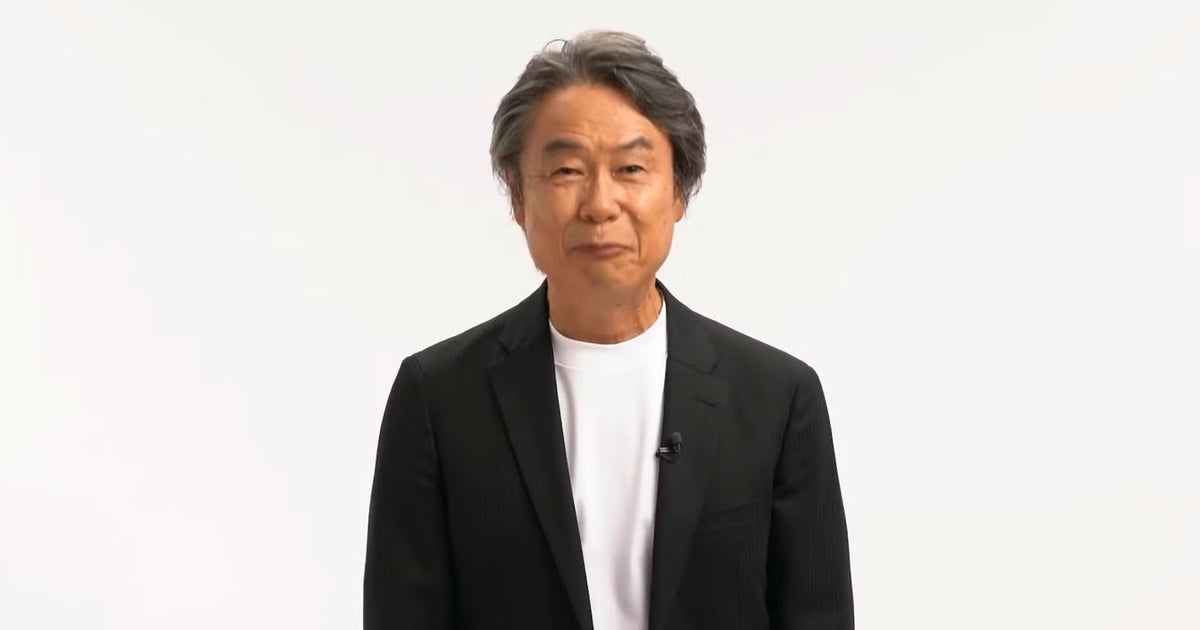
From Hanafuda Cards to the Super Famicom: 135 Years of Kyoto Stubbornness
Nintendo was founded in 1889, not in a Silicon Valley garage, but in Kyoto, Japan's ancient imperial capital, by Fusajiro Yamauchi. The company's original product was hanafuda playing cards, hand-crafted and sold to a market that had been playing card games for centuries. This origin story matters enormously. Kyoto is a city defined by continuity: it is home to over 1,600 Buddhist temples and Shinto shrines, and its artisan culture – the culture of the 職人 (shokunin) = 'craftsman' or 'artisan' – prizes mastery over speed, depth over disruption.
![Startup Company [Console Edition] (Limited Edition)](https://s.pacn.ws/1/p/157/startup-company-console-edition-limited-edition-741799.16.jpg?v=ry4mm8&width=400)
![Startup Company [Console Edition]](https://s.pacn.ws/1/p/157/startup-company-console-edition-741779.10.jpg?v=ry4ngq&width=400)

That founding DNA is precisely what Jeff Ryan's Super Nintendo, published in March 2026 according to the Daily Herald, sets out to decode. Nintendo has now existed for over 135 years, a timeline that dwarfs Apple (1976), Microsoft (1975) and Google (1998) combined. Very few technology or entertainment companies anywhere in the world can claim a comparable heritage. The book traces the arc from those hand-painted flower cards to the Super Nintendo Entertainment System (SNES), released in Japan as the Super Famicom on 21 November 1990, and beyond.
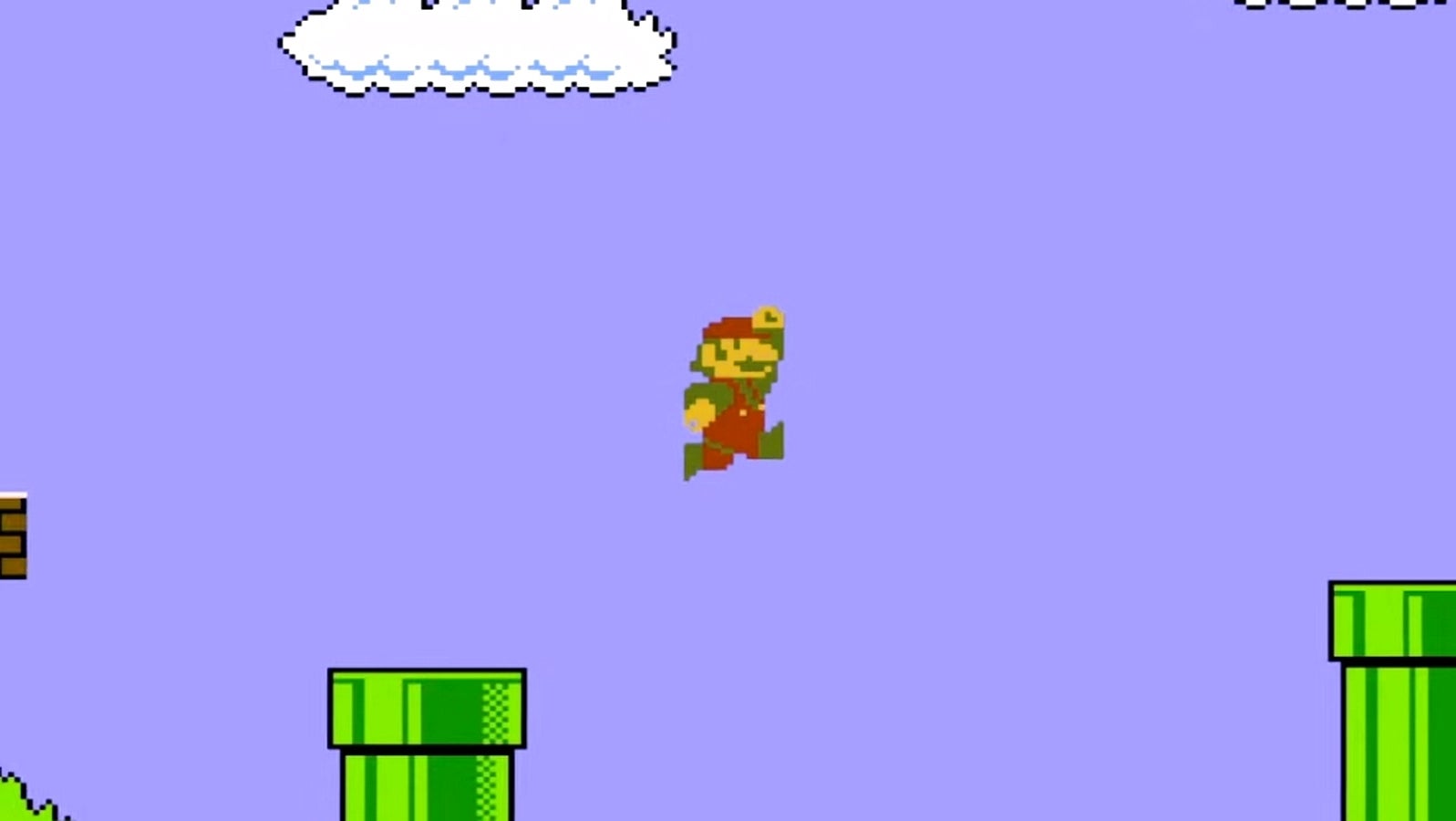
The Super Famicom / SNES went on to sell over 49 million units worldwide, defining the entire 16-bit console era and cementing franchises like Super Mario World, The Legend of Zelda: A Link to the Past and Super Metroid as cultural landmarks. These were not accidents of market timing; they were the result of deliberate, almost obsessive craft. This brings us to the man most responsible for that craft.
Shigeru Miyamoto, Monozukuri and the 'Fun First' Philosophy
No discussion of Nintendo's philosophy is complete without Shigeru Miyamoto, the Kyoto-born designer behind Mario, Donkey Kong, The Legend of Zelda and Pikmin. Miyamoto famously rejected photorealism long before it became an industry debate. As Eurogamer reports, he was drawn to cartoon aesthetics from the very beginning, prioritising expressive character design over graphical fidelity. That choice was not a technical limitation; it was artistic intention rooted in monozukuri values: make something with soul, not just specification.
The Japanese word 物作り (monozukuri) literally combines mono (物, 'thing') and tsukuri (作り, 'making'). But the concept runs far deeper than manufacturing; it describes a mindset of pride, precision and continuous improvement in the act of creation. It is the same spirit that drives a Kyoto lacquerware craftsman to spend thirty years perfecting a single technique, and it is the spirit that drives a Nintendo developer to delay a game release rather than ship something that is not yet fun.

This stands in stark philosophical contrast to Meta founder Mark Zuckerberg's infamous Silicon Valley mantra: 'Move fast and break things.' Nintendo's equivalent might be stated as: 'Go slowly and preserve your history.' Jeff Ryan's book makes this tension explicit, explaining countless decisions that have baffled Western investors over the decades, from Nintendo's refusal to release games on smartphones for years to its complete dismissal of NFTs and the metaverse hype that consumed much of the tech industry between 2021 and 2023.
When Western Investors Get Frustrated
Nintendo's conservatism regularly draws criticism. Play3.de reports that analysts have begun questioning whether Nintendo's strict intellectual property policy risks creative stagnation in the long term. Individual launch stumbles, like the reported poor reception of a recent Mario title on Switch 2 covered by Nordbayern.de, are held up as evidence that even Nintendo can misjudge its audience. Yet the company's long-term track record silences most critics: the Switch platform had sold over 146 million units by early 2025, making it one of the best-selling consoles in history.
Nintendo Labo (cardboard construction kits paired with Switch games) and Ring Fit Adventure (a fitness RPG using a physical resistance ring) are two products that make perfect sense through a Japanese cultural lens but seem bizarre from a pure profit-maximisation perspective. Both require physical engagement, both are deeply tactile, and both would have been laughed out of a Western product meeting. In Japan, however, the idea that play should involve the whole body and the whole family is intuitive; it connects to centuries of communal leisure culture.
The Name '任天堂' and What It Teaches Japanese Learners
For Japanese language learners, Nintendo's very name is a mini-lesson in classical Japanese philosophy. Written as 任天堂 (Nintendō), the name is composed of three kanji: nin (任, 'to entrust' or 'to leave to'), ten (天, 'heaven' or 'the natural order') and dō (堂, 'hall' or 'place'). The most widely cited translation is: 'Leave luck to heaven' or more poetically, 'Entrust your fate to the heavens.' It is a phrase that counsels humility before forces beyond human control; not fatalism, but a kind of grounded acceptance that doing one's honest best is all that can be asked.
This linguistic humility mirrors Nintendo's corporate behaviour. The company rarely makes bold public predictions about market share or revenue targets. It lets its products speak, then steps back. Compare this to the 根性 (konjō) = 'guts, fighting spirit, perseverance' – a word often associated with Japanese sports and business culture – and you begin to see the duality at Nintendo's core: quiet on the outside, intensely committed on the inside.
One more vocabulary gem worth noting: 遊び (asobi) = 'play, leisure, fun' – this single word underpins everything Nintendo does. In Japanese, asobi also carries a nuance of purposeful idleness, the idea that playing is not wasted time but essential human activity. Nintendo has built a 135-year business on exactly that belief.
Hardware That Lasts: A Final Japanese Lesson
As a delightful coda to Nintendo's build-quality philosophy, PCGames.de reports that Nintendo DS Lite handhelds left uncharged for up to 20 years are still booting up successfully, their batteries retaining enough charge to function. This is not a marketing claim; it is monozukuri made measurable.
Frequently Asked Questions
When was Nintendo founded and where is its headquarters?
Nintendo was founded in 1889 in Kyoto, Japan, initially as a manufacturer of hand-painted hanafuda playing cards. Its headquarters remain in Kyoto to this day, making it one of the oldest and most geographically rooted technology and entertainment companies in the world.
What does the Japanese word 'monozukuri' mean and how does it relate to Nintendo?
物作り (monozukuri) means 'the art of making things' and describes a Japanese philosophy of craftsmanship, quality and pride in manufacturing. Nintendo embodies this through its 'Fun First' approach, prioritising player experience over short-term profit, as seen in products like Ring Fit Adventure and its decades-long refusal to rush game releases.
How many units did the Super Nintendo / Super Famicom sell?
The Super Nintendo Entertainment System (SNES), released in Japan as the Super Famicom on 21 November 1990, sold over 49 million units worldwide, defining the 16-bit console era and establishing franchises that remain culturally dominant today.
For more Japan news on jpnerd.com, keep exploring our coverage of Japanese culture, language and technology.
Sources
- Daily Herald – 'Super Nintendo is the history of a company committed to fun' (09.03.2026)
- Eurogamer.de – Miyamoto and Nintendo's cartoon aesthetic philosophy
- Play3.de – Analyst questions Nintendo's long-term IP policy (02.03.2026)
- Nordbayern.de – Nintendo Switch 2 Mario title reception
- PCGames.de – Nintendo DS Lite batteries still working after 20 years