
That combo hits two sweet spots at once: retro nostalgia and arcade-style chaos. For Japanese learning fans, it also gives us a nice excuse to look at how Nintendo and Sega keep recycling old ideas in new ways, with a very Japanese sense of play.

![Startup Company [Console Edition] (Limited Edition)](https://s.pacn.ws/1/p/157/startup-company-console-edition-limited-edition-741799.16.jpg?v=ry4mm8&width=400)
![Startup Company [Console Edition]](https://s.pacn.ws/1/p/157/startup-company-console-edition-741779.10.jpg?v=ry4ngq&width=400)
What most people don't know is that a small feature can change how you use a console every day. If the report is right, Nintendo Switch 2 won't just be about stronger hardware, it'll also make old-school games on Nintendo Switch Online feel much more alive. And then Sega comes in with a loud, bright arcade punch, because Crazy Taxi is apparently coming back too. Sounds good, right?

That mix matters, especially for Japan gamers who grew up with family TV time, game centres, and quick sessions on handhelds. For Japanese learners, this is also a neat moment to pay attention to words like 練習 (renshuu, practice / training), challenge, and 懐かしい (natsukashii, nostalgic; fondly reminiscent), because the whole story is basically about replaying the past in a more active way. Hand on heart, that's the kind of game news I actually enjoy, because it connects hardware, history, and culture instead of just chasing specs.
Nintendo Switch 2 and retro challenges for NES, SNES, and Game Boy
The original report from Nintendo Everything says Nintendo is preparing challenge-style features for classic games on Switch 2, and possibly on current Switch too. The focus is on NES, SNES, and Game Boy titles, which is a very Nintendo way of making old software feel new again. Let me show you why that matters.
Retro libraries are nice, but many people open them once, play a little Super Mario Bros. or Kirby's Dream Land, then drift away. Challenges could fix that by giving you specific goals, like clearing a stage without damage, beating a time limit, or finishing a set of levels in one go. In other words, it turns passive nostalgia into something closer to renshuu. Highly recommended if you like replay value.
Why challenges fit Nintendo so well
Nintendo has always loved structured play, from star ranks in Super Mario 3D World to mission lists in Animal Crossing events. So a challenge layer for classic games feels very on-brand. What I especially like is that it could make old titles less intimidating for younger players, while still giving veterans something to chase.
Compared with back home, Japanese retro game culture often feels more organised and archive-minded. Players don't just want to own a classic, they want a reason to revisit it, talk about it, and compare results. If Nintendo adds proper challenge labels, rankings, or reward stamps, that would suit the Japanese market nicely. And there's more.
There is also a learning angle here. A lot of Japanese game UI uses short, clear words like 総合 (sougou, overall / comprehensive), misson, and clear, and retro challenge menus would likely follow that same compact style. If you're studying Japanese, this kind of interface is perfect practice, because the meaning has to be understood fast. Insider tip: check how many menu words repeat across Nintendo services, and you'll start recognising them everywhere.
Sega announces Crazy Taxi: World Tour for Japan gamers
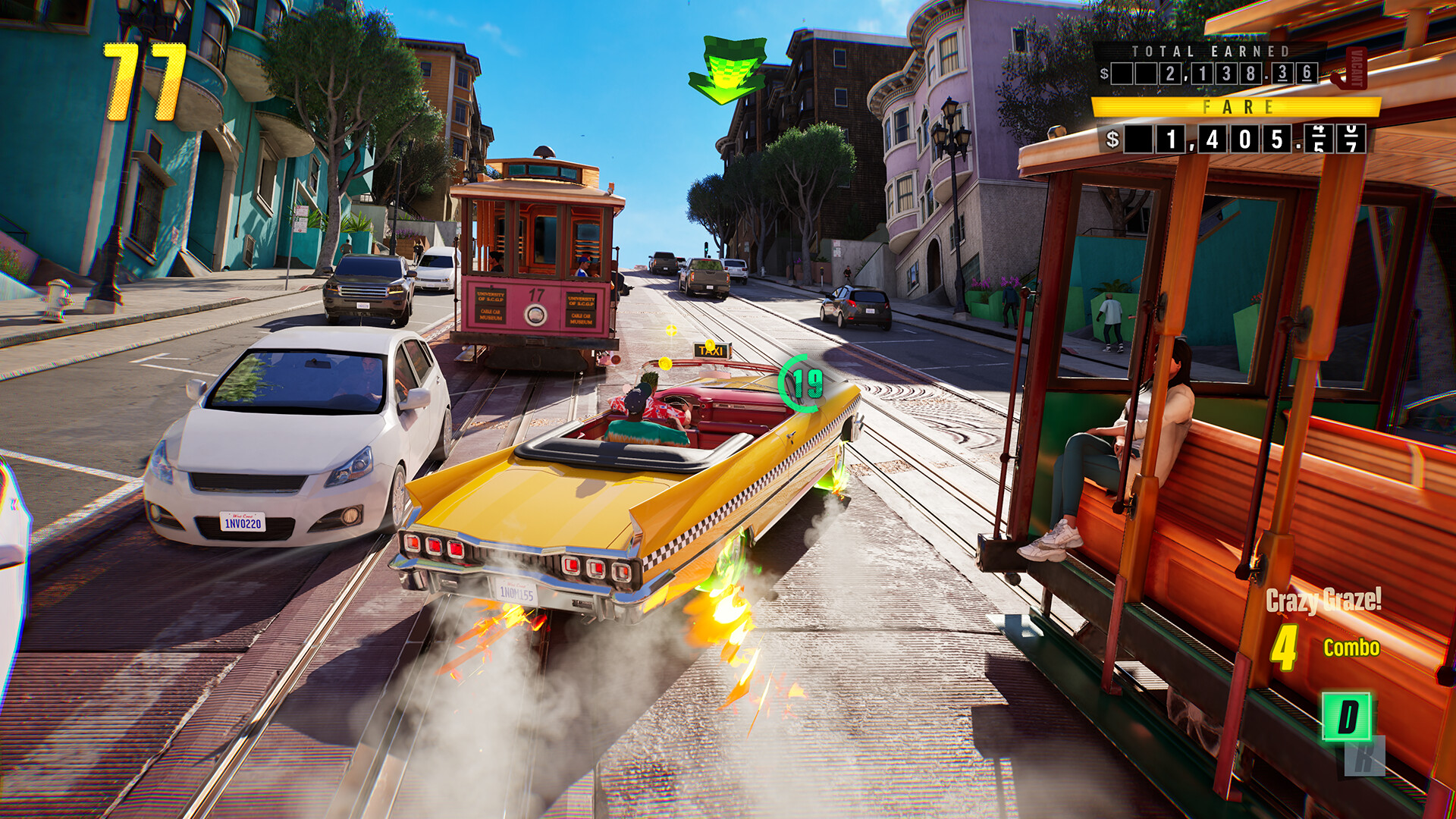
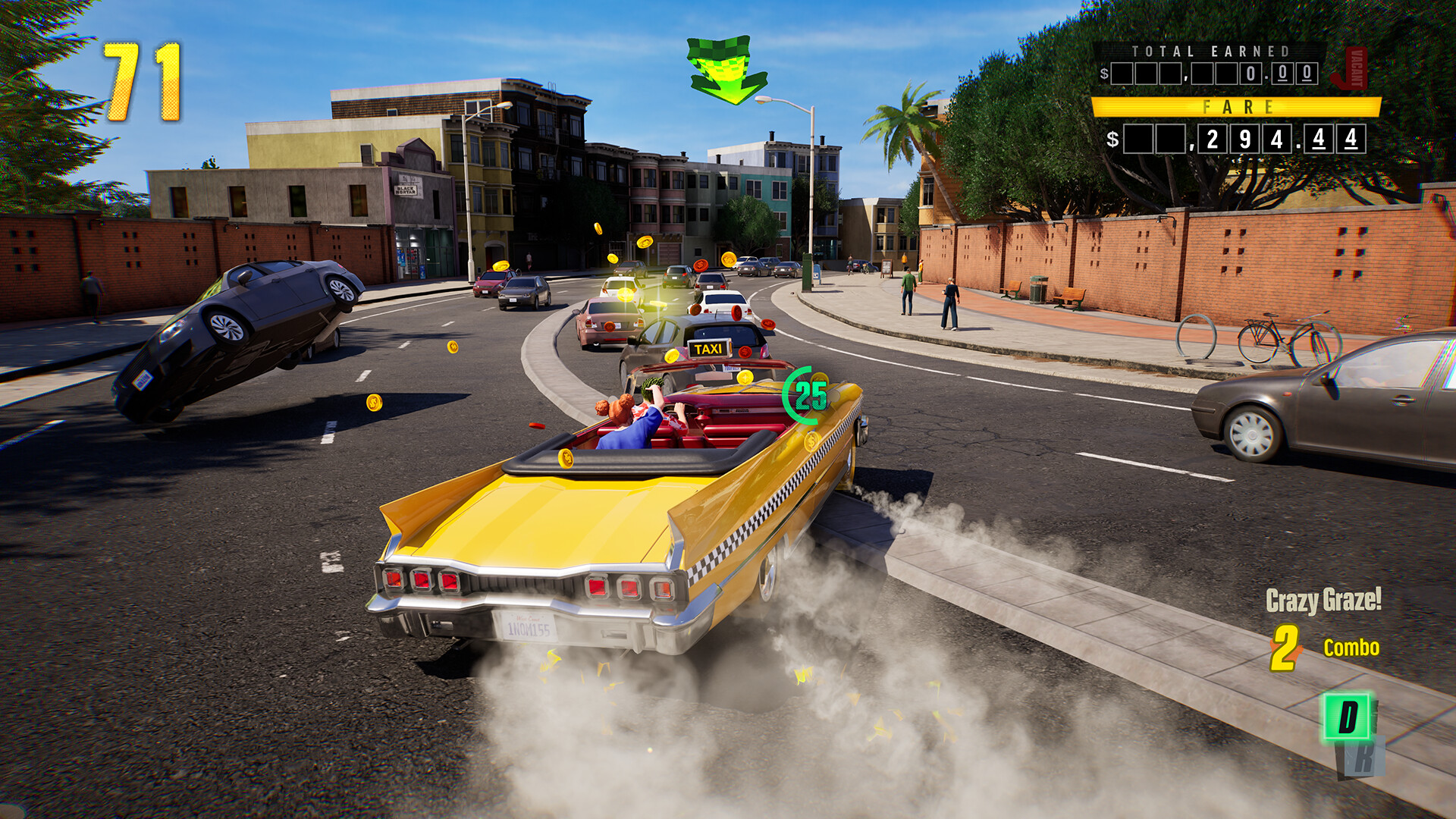
That brings us to Sega, and this is the loud part of the story. According to the same wave of reporting, Sega is teasing Crazy Taxi: World Tour, a new entry that keeps the series' arcade energy alive. The name alone sounds like a collision of neon lights, traffic, and pure panic, which is exactly what Crazy Taxi has always done best.
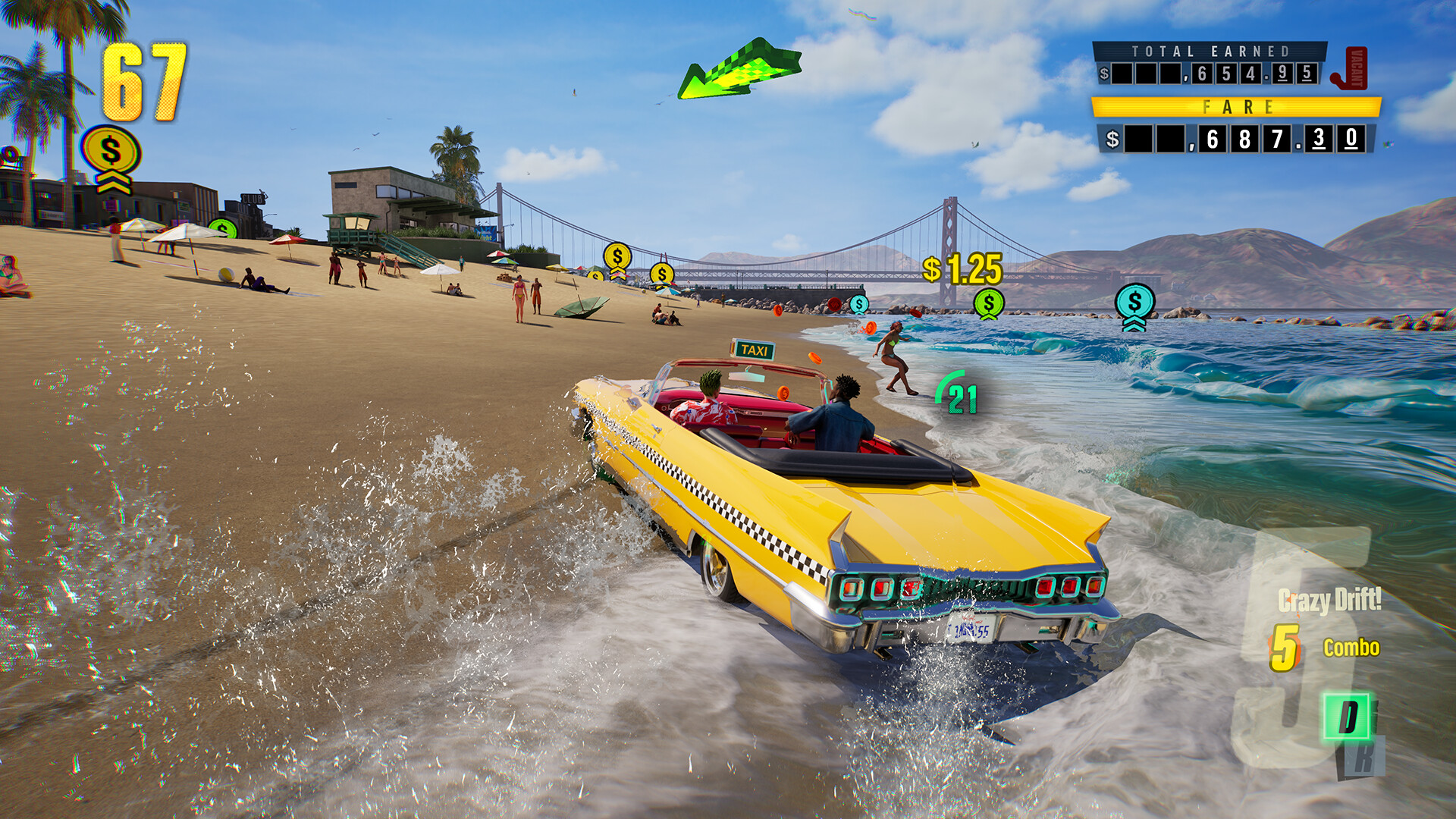
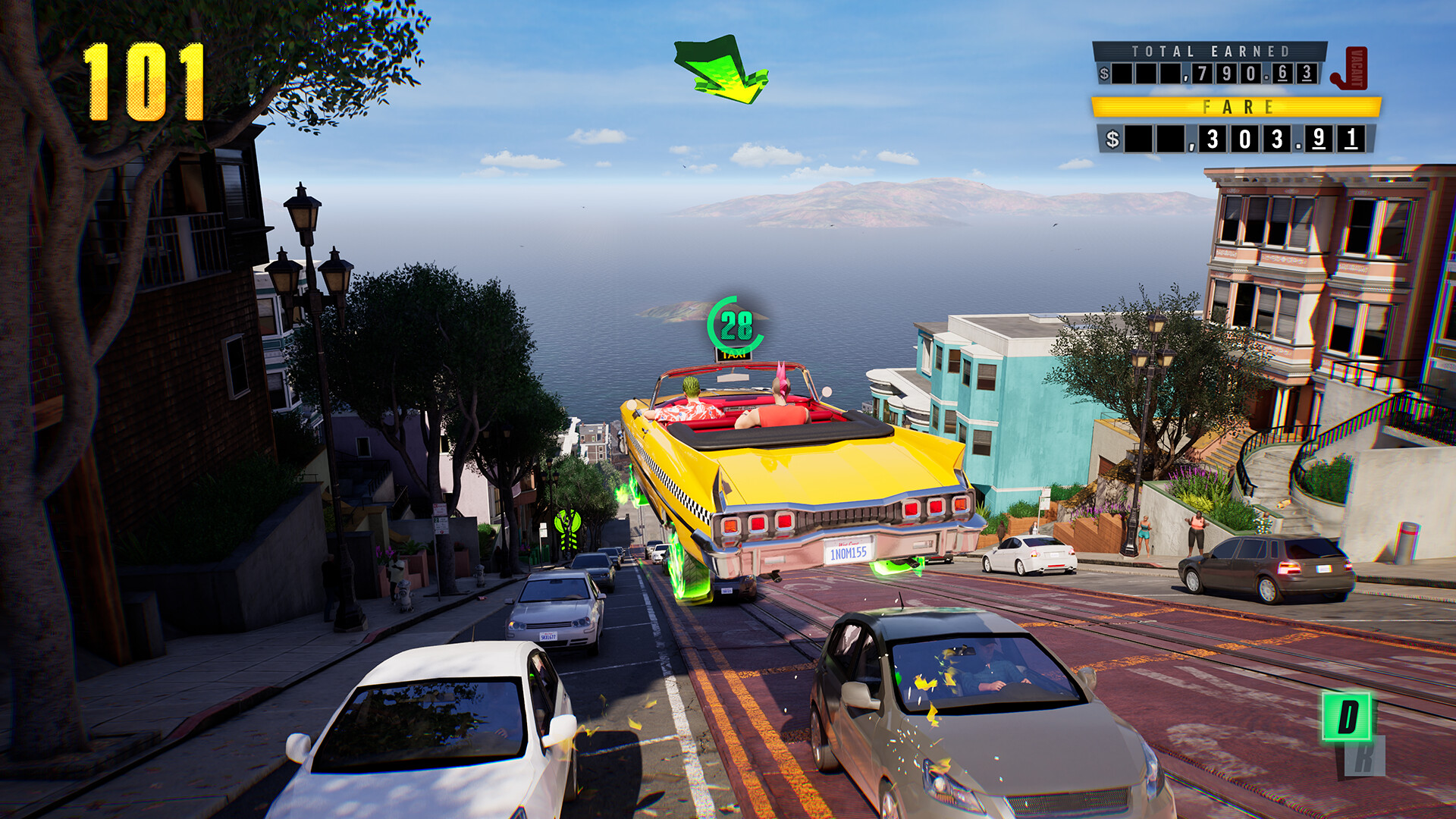
Let's be honest: the 1999 original from Hitmaker was never about realism. It was about speed, horn blasts, ridiculous turns, and that glorious feeling of trying to beat the clock while taking someone to a destination before the whole city becomes a blur. The 2001 Dreamcast and arcade era made it a cult favourite, and later versions carried the series onto new systems. A proper return now makes sense, especially if Sega wants to tap into both nostalgia and streaming-friendly chaos. See what I mean?
Why Crazy Taxi still works in 2026-style gaming
Crazy Taxi has always been built for short bursts, which is great for Switch-style play. Whether you're on a train in Tokyo, sitting in a 喫茶店 (kissaten, café / coffee shop), or killing ten minutes between classes, the game loop is instant. My tip: that kind of game is ideal when you're learning Japanese too, because short play sessions make it easier to repeat menu text, mission prompts, and vehicle names without getting overloaded.
Plot twist: this is also where Sega's identity becomes interesting again. Sega has spent years balancing its legacy arcade image with modern releases, and Crazy Taxi: World Tour sounds like a way to reclaim that old "bright, fast, slightly unhinged" arcade mood. If it lands on Switch 2, Japan players will probably compare it with local arcade memories, not just with Western open-world racers. That's a very different kind of hype, and it's very Sega.
What this means for Japanese learners and Japan fans
Speaking of which... this story is bigger than one console rumour and one racing comeback. It shows how Japanese game companies keep using nostalgia as a living thing, not a museum piece. Nintendo polishes the past, Sega revs it up, and players get something familiar that still feels fresh.
For Japanese learners, that pattern is worth paying attention to. Words like 回帰 (kaiki, return / recurrence), 残念 (zannen, regrettable; disappointing), and 頑張れ (ganbare, do your best; hang in there) often show up in game menus, announcements, and fan reactions, and this kind of news gives you real-world context for them. If you're reading Japanese gaming posts or watching Nintendo Direct reactions on YouTube, you'll start spotting the same tone again and again, polite on the surface, excited underneath.
What I especially like about this whole situation is the contrast. Nintendo Switch 2 might deepen the retro library with challenges, while Sega is trying to make an old arcade legend feel noisy and new. One side is tidy and structured, the other is chaotic and playful. Together, they make a strong case that Japan's game scene still knows how to respect its roots without getting stuck in them. Sounds good, right?
So yes, this is still a rumour-heavy development, but it is an exciting one. If Nintendo really adds challenge layers to NES, SNES, and Game Boy games, that could give Switch 2 a very practical retro upgrade. And if Crazy Taxi: World Tour arrives with real momentum, Sega may have one of its most shareable revivals in years. For Japan fans, that's the kind of double feature that makes you open your wishlist straight away. And there's more.
In pictures

Frequently Asked Questions
What is the main Switch 2 rumour here?
The rumour says classic NES, SNES, and Game Boy games may get new challenge features.
Why is Crazy Taxi getting attention again?
Sega is reportedly preparing a new title called Crazy Taxi: World Tour, which would bring the series back in a modern form.
Why should Japanese learners care about this news?
Game menus, announcements, and fan reactions are full of useful everyday language, so this is a practical way to build vocabulary with context.


