It’s not a jaw-dropping reinvention of themed dining, but it does capture something very Japanese: brands as living worlds, all sharing one table. For learners, that makes it a nice little culture lesson too, because you’re not just reading a menu, you’re reading a fandom map.


Square Enix Cafe has returned with a menu that feels like a very Japan kind of crossover, familiar, polished, and built almost entirely on brand power. Final Fantasy, Dragon Quest, Nier, and Fullmetal Alchemist all show up in one place, which tells you a lot about how Japanese pop culture treats franchises, not as isolated products, but as long-running worlds with deep emotional mileage.
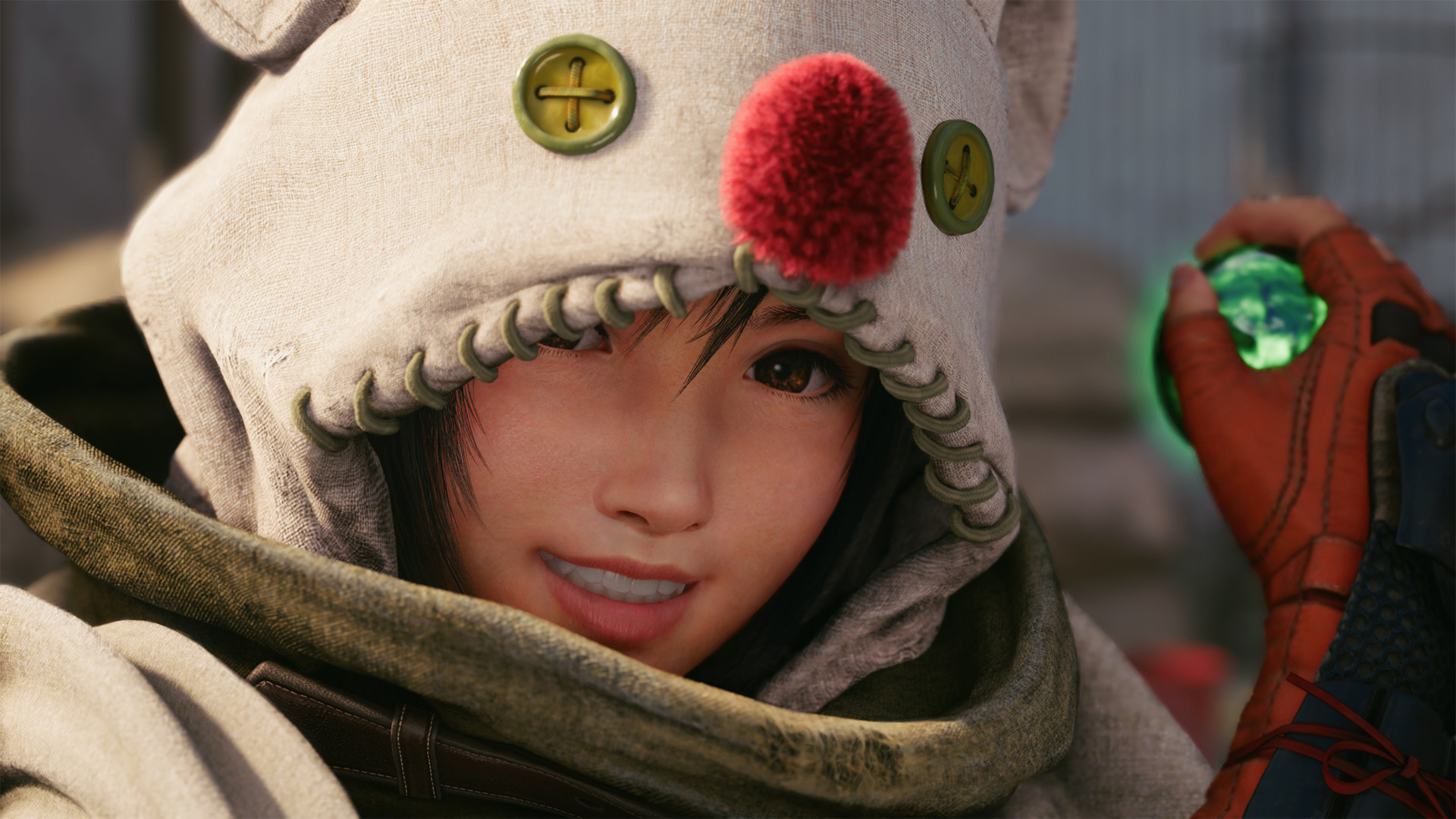
That said, this one looks more like a promo event than a must-run, must-book pilgrimage. Still, if you’ve ever wanted to eat your way through some of Square Enix’s biggest hits, this is the sort of themed cafe that gets attention fast. No wonder, because the company has spent decades turning game and manga properties into lifestyle brands, not just software or print titles.
Square Enix Cafe and Japan's franchise culture
The first thing to know is that Square Enix Cafe isn't just a random themed restaurant. It belongs to a wider Japanese cafe culture where limited-time menus, collaboration goods, and photo-friendly plates do the marketing work for you. Tokyo, Osaka, and other major cities have made this style of cross-promotion normal, and fans have learnt to expect short runs, reservations, and exclusive items.
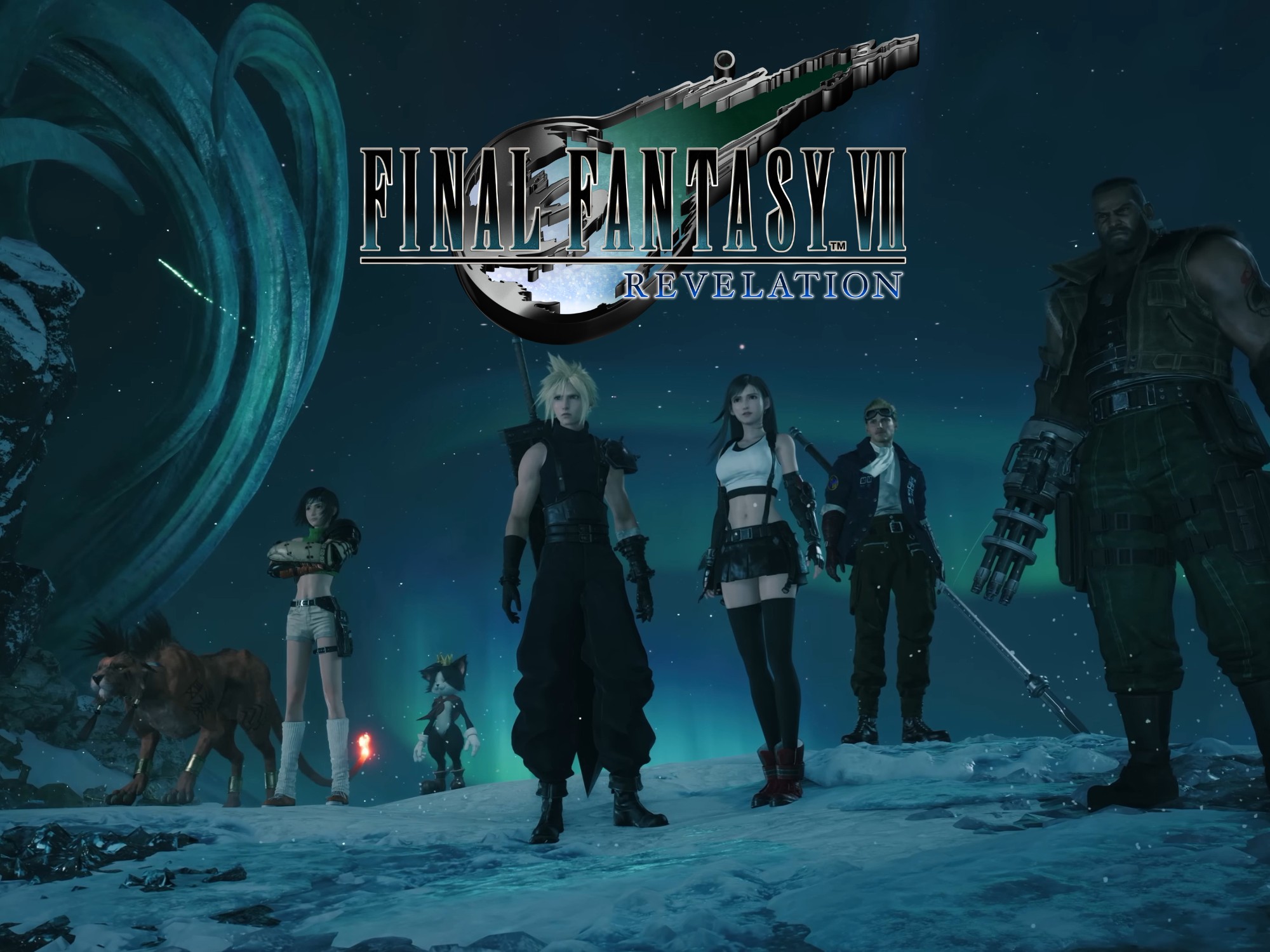
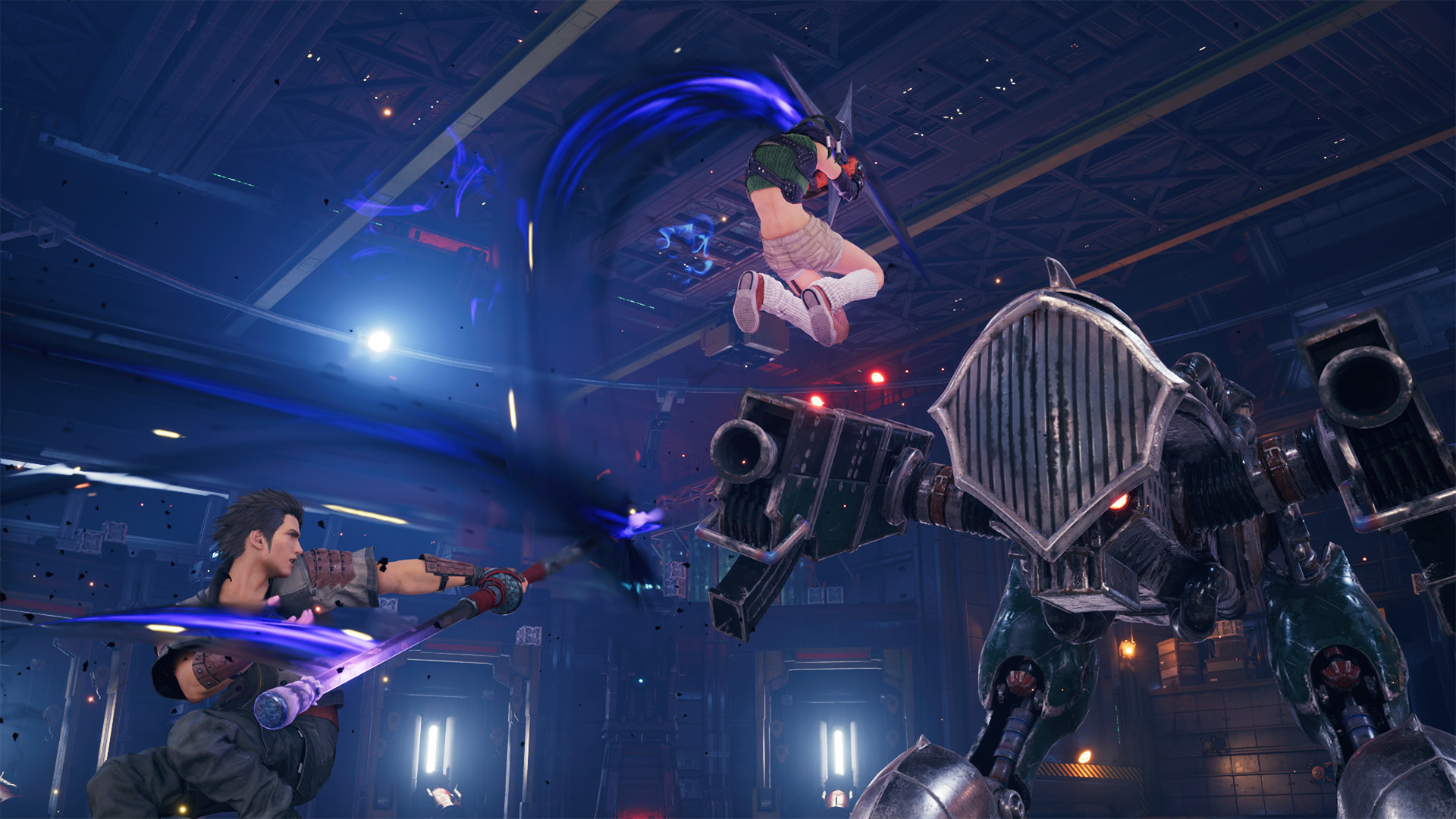
In Japan, this works especially well because franchises often live for years, sometimes decades. Final Fantasy launched in 1987, Dragon Quest in 1986, and both have become household names in different generations. Speaking of which, Nier, especially after Nier: Automata in 2017, brought a cooler, more stylish edge to Square Enix’s catalogue, while Fullmetal Alchemist remains a manga and anime giant from the early 2000s. Different eras, same cafe table. But that's not all.
Why this kind of cafe makes sense in Japan
Japanese fans are used to limited editions, and that changes the whole dining experience. You’re not just buying lunch, you’re taking part in a temporary event, and the sense of missing out is part of the appeal. The menu, the coasters, the posters, all of it becomes collector bait.
My tip: if you’re studying Japanese, pay attention to the words on these menus and event pages. Terms like 期間限定 (kikan gentei) for limited-time offerings, or キャラクター (kyarakuta) for character, pop up everywhere. They’re small vocabulary wins, but they show you how fandom and everyday language blend in Japan. See what I mean?
Final Fantasy, Dragon Quest, Nier, and Fullmetal Alchemist on one menu
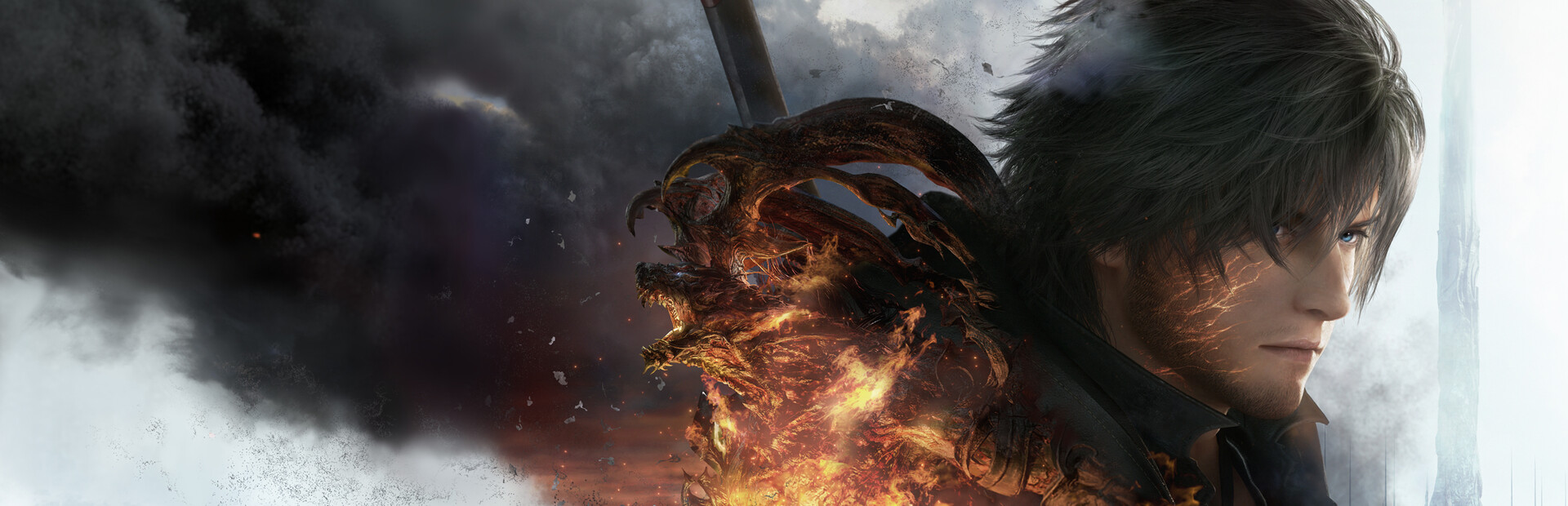
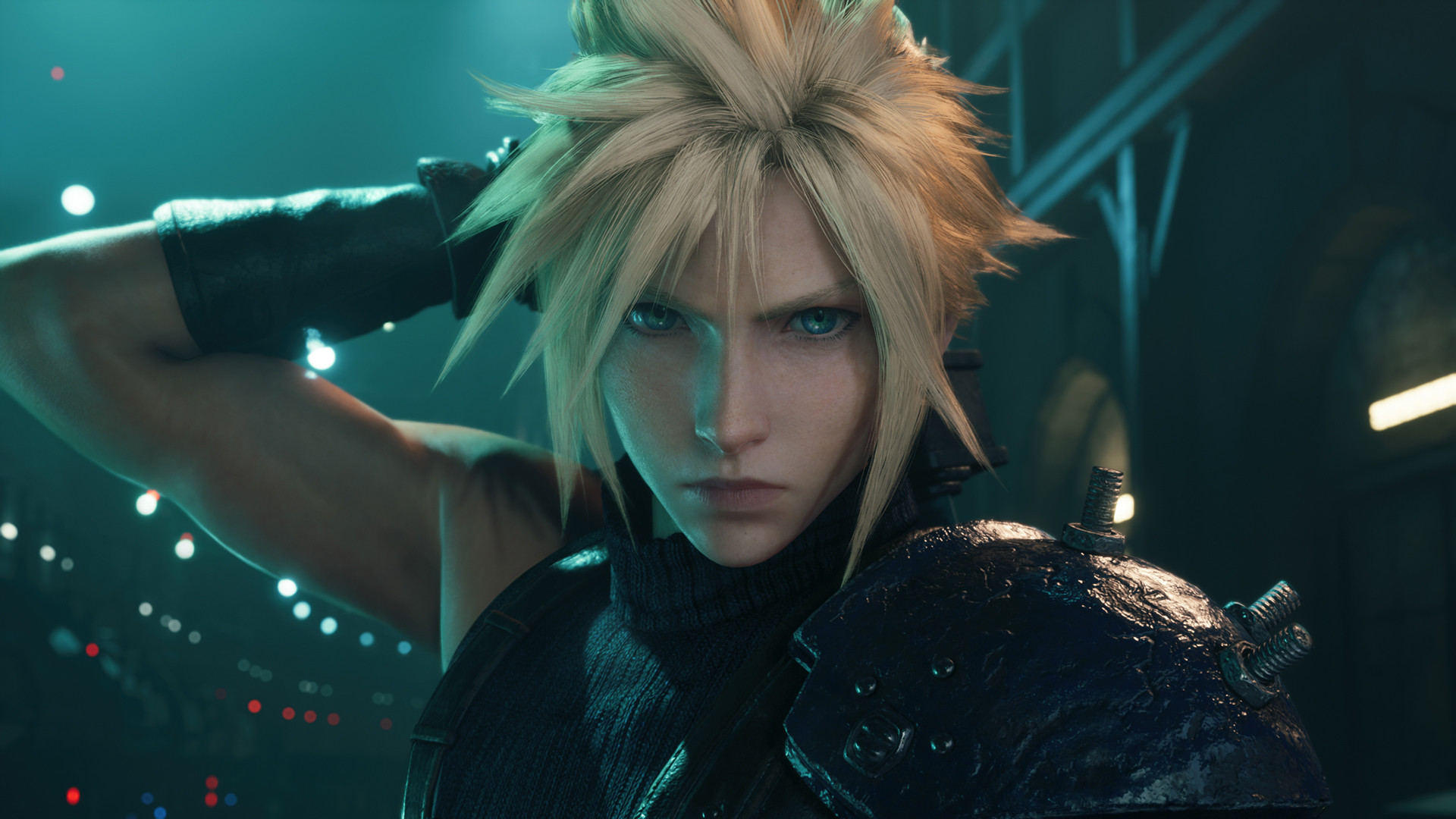
Here’s the kicker: these are four very different kinds of brand power. Final Fantasy is Square Enix’s prestige fantasy series, with massive budget releases, elaborate music, and global recognition. Dragon Quest is the comfort food of Japanese RPGs, famous for Toriyama-style character art, cheerful slimes, and a tone that feels deeply domestic even when it travels abroad.
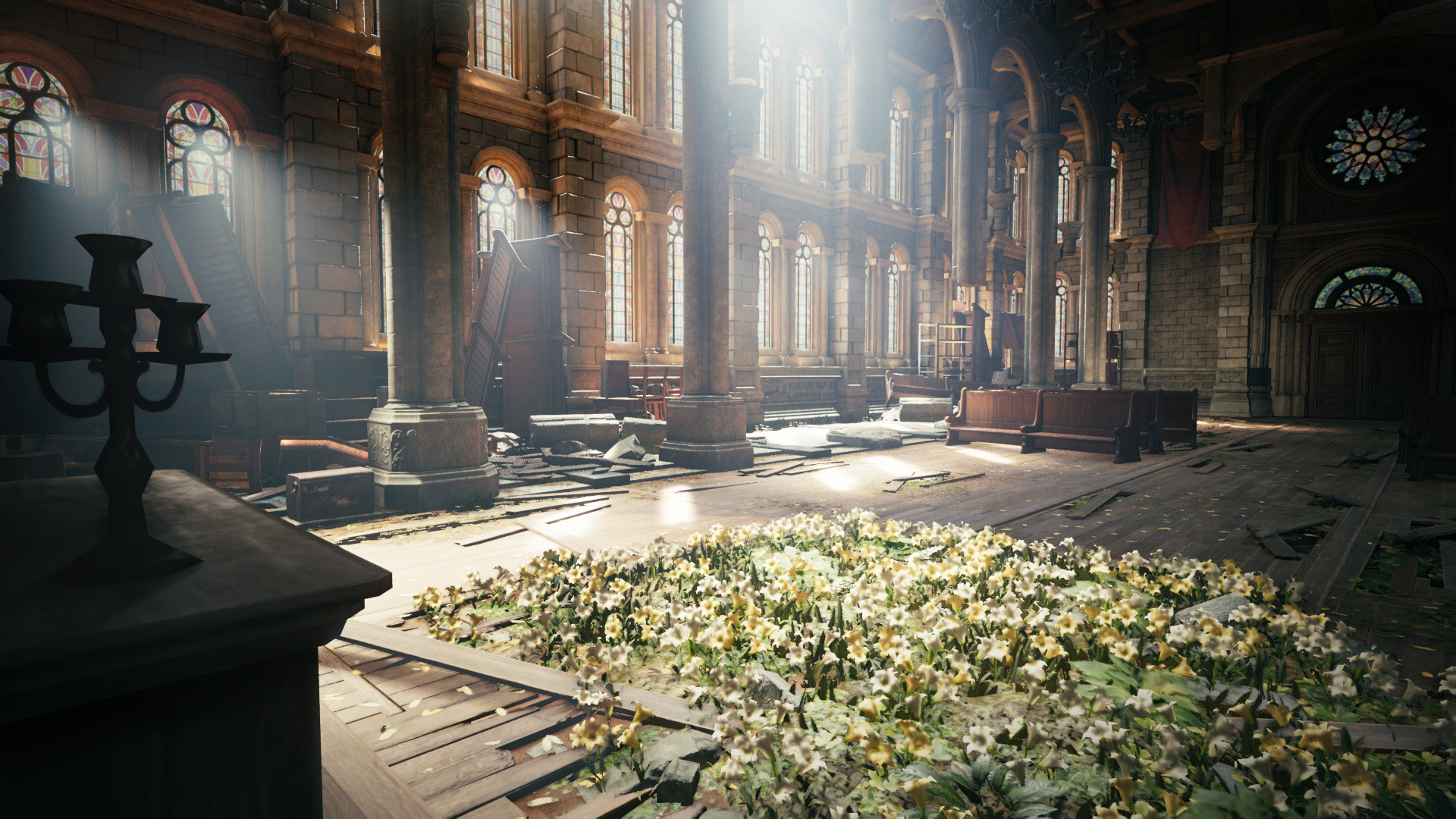
Nier sits somewhere else entirely. It’s moodier, more experimental, and often more melancholic, which makes it the odd one out in a fun way. Fullmetal Alchemist, meanwhile, is not even a game franchise, but its inclusion shows how Square Enix’s media reach stretches beyond controllers and consoles. Basically: the cafe is showing off the breadth of the company’s identity, from 8-bit roots to anime and manga prestige. Classic Japan, isn't it?
What fans will likely notice first
Expect the menu to lean on visual storytelling. That usually means colour-coded drinks, character-inspired desserts, and plates designed for photos before flavour. The real draw is often not culinary daring, but recognition. You spot a motif, you smile, you order.
To be fair, this is where themed cafes can feel a little cautious. The best ones add a strong twist, maybe a bold drink, a clever garnish, or a dish that genuinely reflects a character’s personality. If this Square Enix Cafe wants to stand out, it’ll need more than logos and pretty plating. My verdict:
Why Japan is still the home base for these brands
Japan remains the natural home for Square Enix’s biggest names because the companies, creators, and fan habits all grew up together here. The marketing is local, the references are local, and the cafe format depends on customers who understand the codes instantly. A Final Fantasy fan in Tokyo doesn’t need much explanation, and a Dragon Quest slime already feels like part of the city’s visual language.
That local familiarity matters for learners too. If you know a little ローマ字 (romaji, romanized Japanese) and a few cultural cues, you’ll notice how much context Japan builds into these events. A menu item can reference a scene, a catchphrase, or a character trait without spelling it out. Trust me on this one: learning to read those layers makes fandom in Japan much more rewarding. Sounds weird, but it's true.
At the same time, these cafes are also exportable in spirit. A tourist may go for Final Fantasy, while a longtime manga reader may go for Fullmetal Alchemist, and a newer player may be there only because Nier looks stylish on social media. That mix is exactly why the concept works, even if this particular launch feels more promotional than revolutionary. That's why themed cafes keep coming back.
If you’re planning a Japan trip and love game culture, keep Square Enix Cafe on your radar, but don’t expect a once-in-a-lifetime miracle. Expect solid branding, familiar characters, and a very Tokyo-style blend of food and fandom. And if you want more stories like this, more Japan news on jpnerd.com.
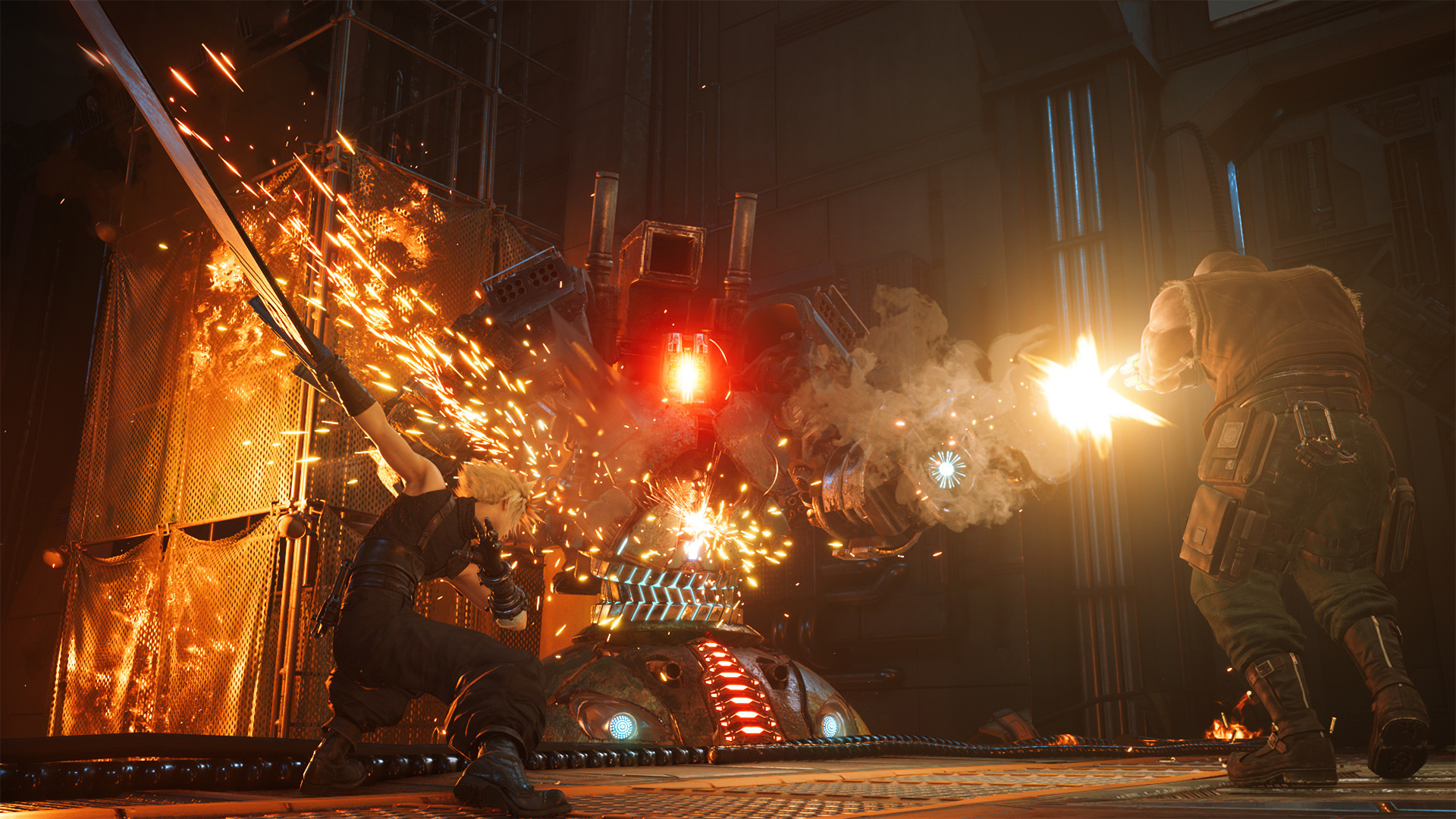
In pictures
Frequently Asked Questions
What is Square Enix Cafe?
It is a themed cafe tied to Square Enix franchises, with limited-time food, drinks, and merchandise.
Which franchises are featured this time?
The menu includes Final Fantasy, Dragon Quest, Nier, and Fullmetal Alchemist.
Why do these cafes matter in Japan?
They combine dining, fandom, and marketing in a format that Japanese fans already know well.