
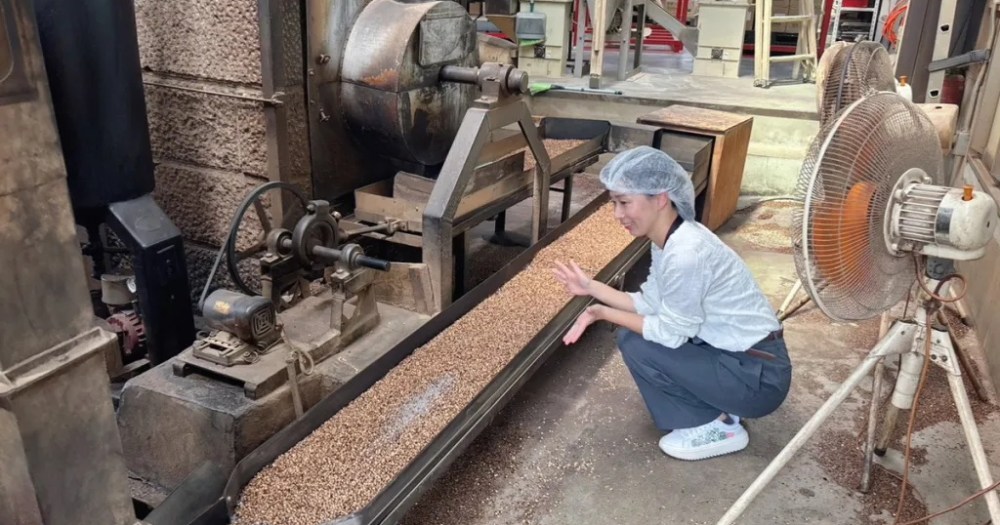
So I went looking at what it actually takes to make 麦茶 in Tokyo, and why only two makers are left. No exaggeration: this is one of those very Japanese stories where scale, craft, and everyday life all meet in one cup.
Tokyo’s mugicha world is smaller than you think
Here’s the thing: when most people think of Tokyo, they picture conveyor-belt sushi, department stores, and neon. 麦茶 (mugicha) rarely comes to mind, yet this plain barley tea is one of the city’s quiet summer staples. According to SoraNews24, there are only two mugicha makers left in Tokyo. That number is tiny, especially in a city of more than 14 million people, and it makes every local producer feel more like a keeper of memory than a factory owner. Personally, I find that kind of contrast very Tokyo, very Japanese.
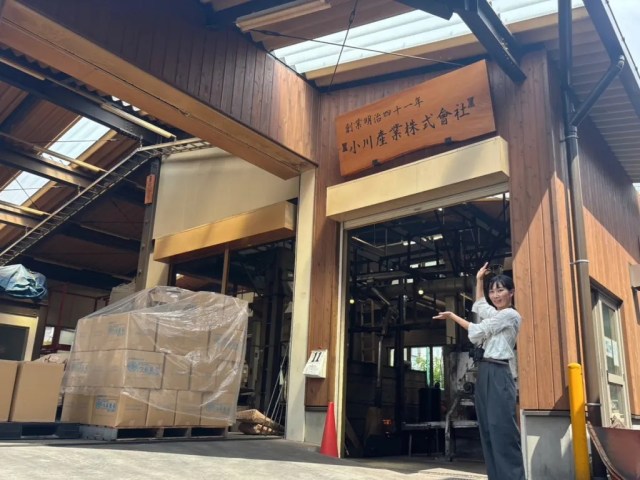
Unlike what we’re used to in many countries, where a drink can have dozens of regional brands, mugicha in Japan often feels standard and familiar. You grab a bottle in summer, pour it over ice, and move on. But behind that simple routine is a real production chain, and in Tokyo that chain is now hanging by a thread. Speaking of which...
What mugicha is, and why Japanese learners hear it so often
Guess what? Mugicha is just roasted barley tea, and the Japanese word is easy to remember if you break it apart: 麦 (mugi) means barley, 茶 (cha) means tea. It’s written 麦茶, and you’ll see it on bottles, supermarket shelves, and summer menu boards. For Japanese learners, this is a great word because it shows how often everyday Japanese is made from simple compound words.
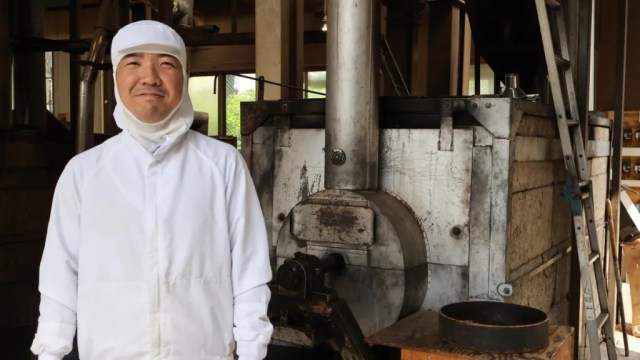
Compared to back home, where “tea” can mean a long list of ingredients, mugicha is refreshingly direct. It doesn’t contain caffeine, which is one reason it’s popular with kids, older people, and anyone who wants something cold and gentle in hot weather. To be fair, that simple profile is part of its charm. It’s not flashy, and it doesn’t need to be. Sounds good, right?
The summer drink that never tries too hard
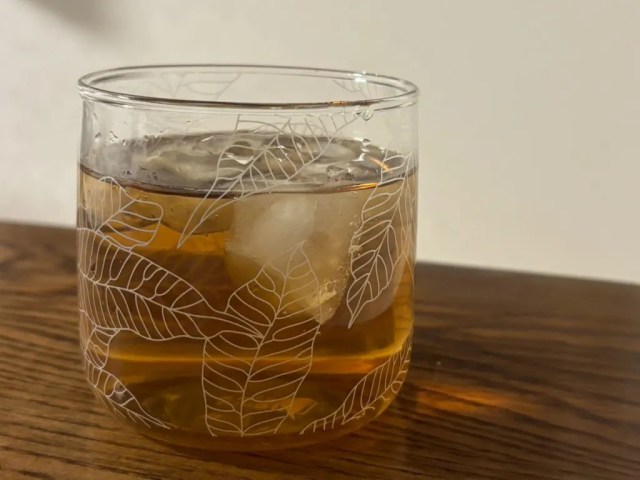
Mugicha shows up in homes, schools, and convenience stores every summer. Families brew it in big pots, then keep it in the fridge so it’s ready all day. A great example: in many Japanese households, mugicha is as ordinary as cold water, only with a little more flavour and a lot more seasonal meaning. Wild, isn’t it?
Inside a Tokyo mugicha maker
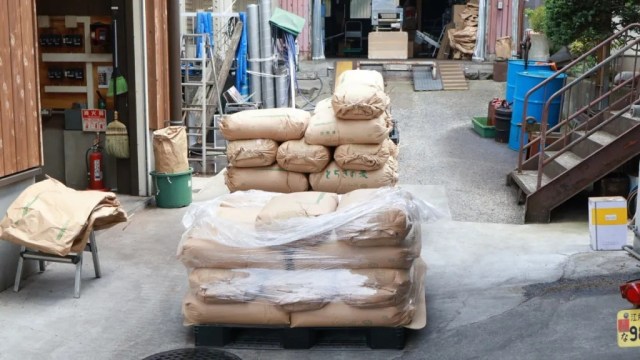
Picture this: a small production site in Tokyo, bags of roasted barley, warm grain aroma in the air, and machinery that looks built for quiet repetition rather than spectacle. That’s the sort of place SoraNews24 visited, and it’s exactly why this story works. It’s not about luxury, it’s about how something everyday gets made at scale, with care.
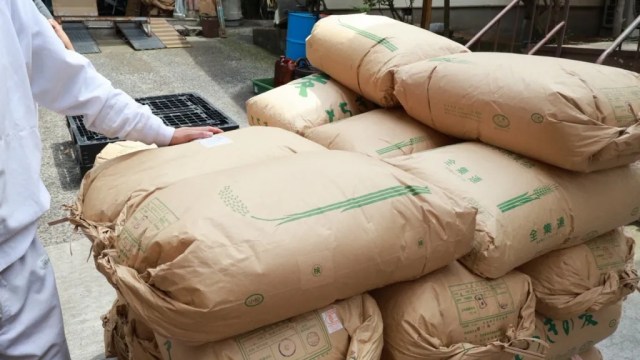
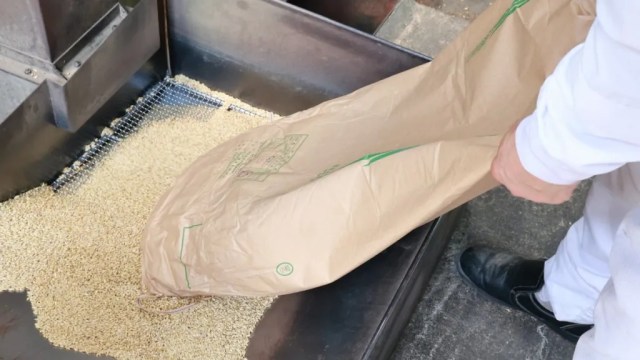
No wonder, because the process starts with barley that must be selected, roasted, and blended carefully to keep the flavour balanced. Different roasting levels change the colour and taste, so a maker has to control the process very precisely. If the barley is too lightly roasted, the tea can taste thin. Too dark, and it becomes harsh. The goal is a clean, toasty flavour that works cold, which is harder than it sounds. Personally...
How mugicha is made
The basic steps are straightforward, but the details matter. The barley is cleaned, roasted, cooled, and packed. Some makers sell loose tea bags, others make larger packs for home pitchers, and some supply businesses that serve mugicha by the glass. What I especially like is that the drink stays low-key even when the production behind it is serious. That’s classic Japan, isn’t it?
Let’s be honest: a lot of visitors never think about the hidden work behind familiar Japanese foods. We notice ラーメン (ramen, ramen noodles) shops and pastry trends, but everyday drinks can have just as much history. In Tokyo, where land is expensive and small manufacturers are squeezed from every side, staying in business means doing something right, year after year. My tip: if you ever see a local manufacturer story in Japan, read it. That’s where the real texture of the country shows up.
Why only two makers remain in Tokyo
The number two is the real headline here. Tokyo has lost so many small food producers over the years because costs are high, space is limited, and mass-produced options are everywhere. No exaggeration: when a drink can be made cheaply on a bigger industrial scale outside the city, local makers have to compete on identity, not just price.
There’s also the question of changing habits. People still drink mugicha, but they may not care where it was made unless they’re already interested in food, craft, or local business. That’s where local pride matters. A Tokyo-made mugicha isn’t just a beverage, it’s a piece of the city’s food map. And for Japan fans, that’s the kind of detail that turns a simple supermarket item into a story worth remembering. Sounds good, right?
Here’s the thing: Tokyo often looks like a city of the future, but stories like this show how much effort it takes to preserve ordinary traditions. Two makers might sound like almost nothing, yet they’re still keeping a familiar summer taste alive in the capital. Personally, I think that makes mugicha even more satisfying to drink on a hot day.
In pictures
Frequently Asked Questions
What is mugicha?
Mugicha is roasted barley tea, a caffeine-free drink that is especially popular in Japan during summer.
Why does Tokyo have so few mugicha makers?
High costs, limited space, and competition from larger producers have pushed many small makers out of the city.
Why is this interesting for Japanese learners?
It connects everyday vocabulary, local food culture, and a real example of how Japanese compounds work in practice.


